
Last updated October 15, 2026
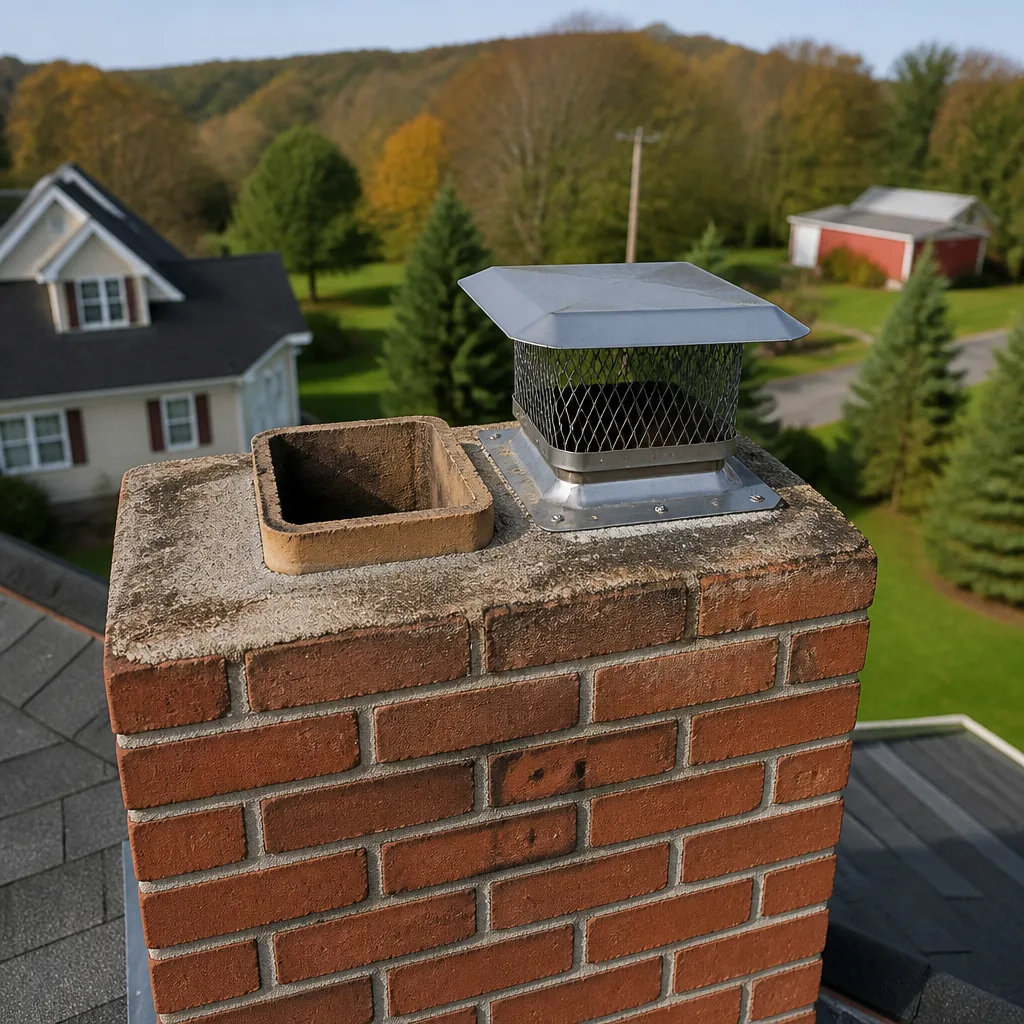 Sweep & inspection
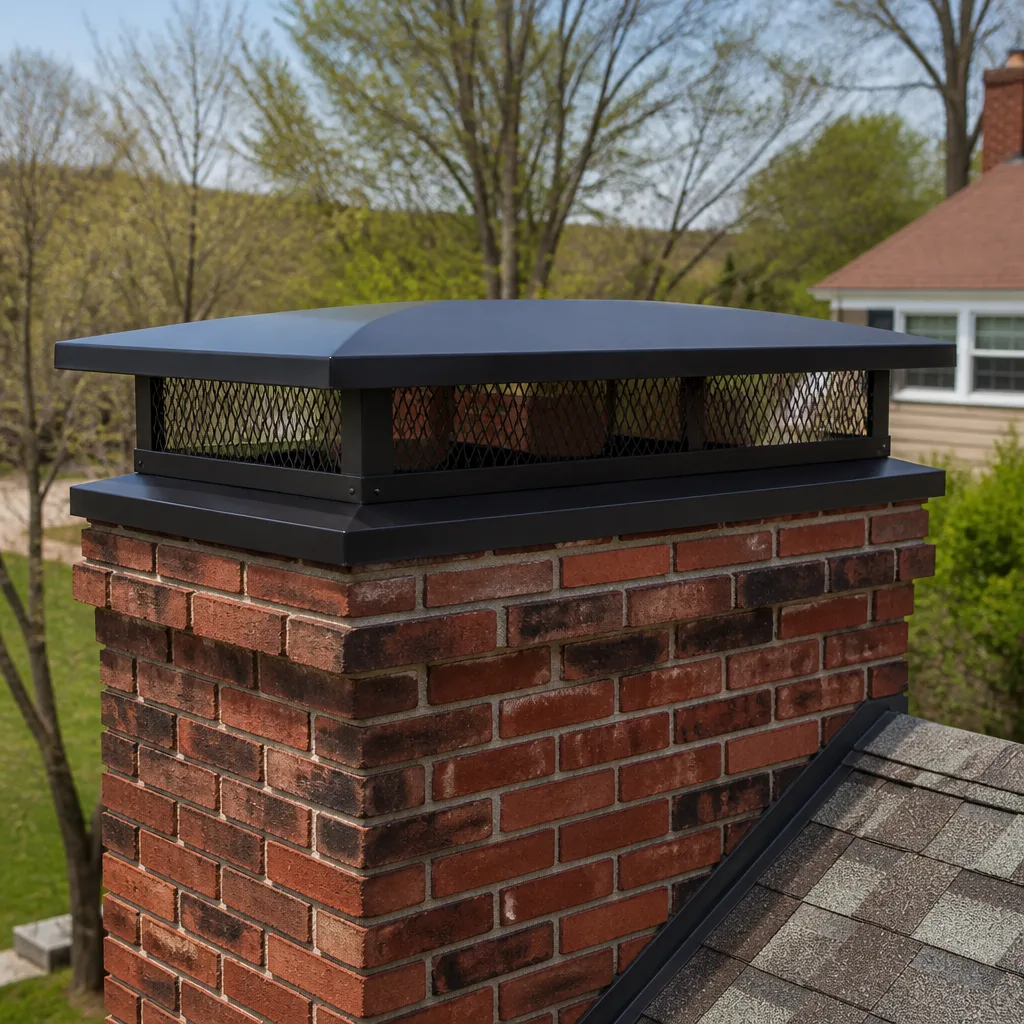 Caps & crowns
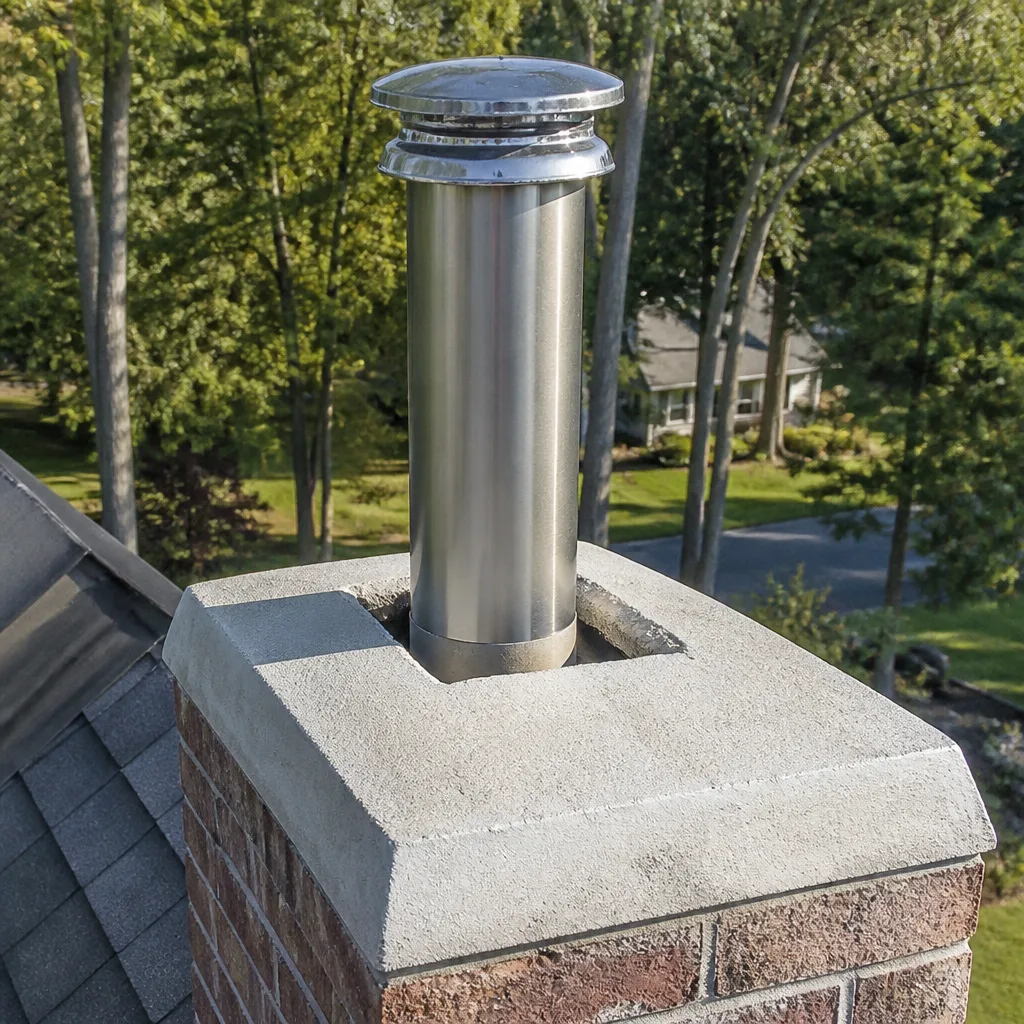 Flue relining
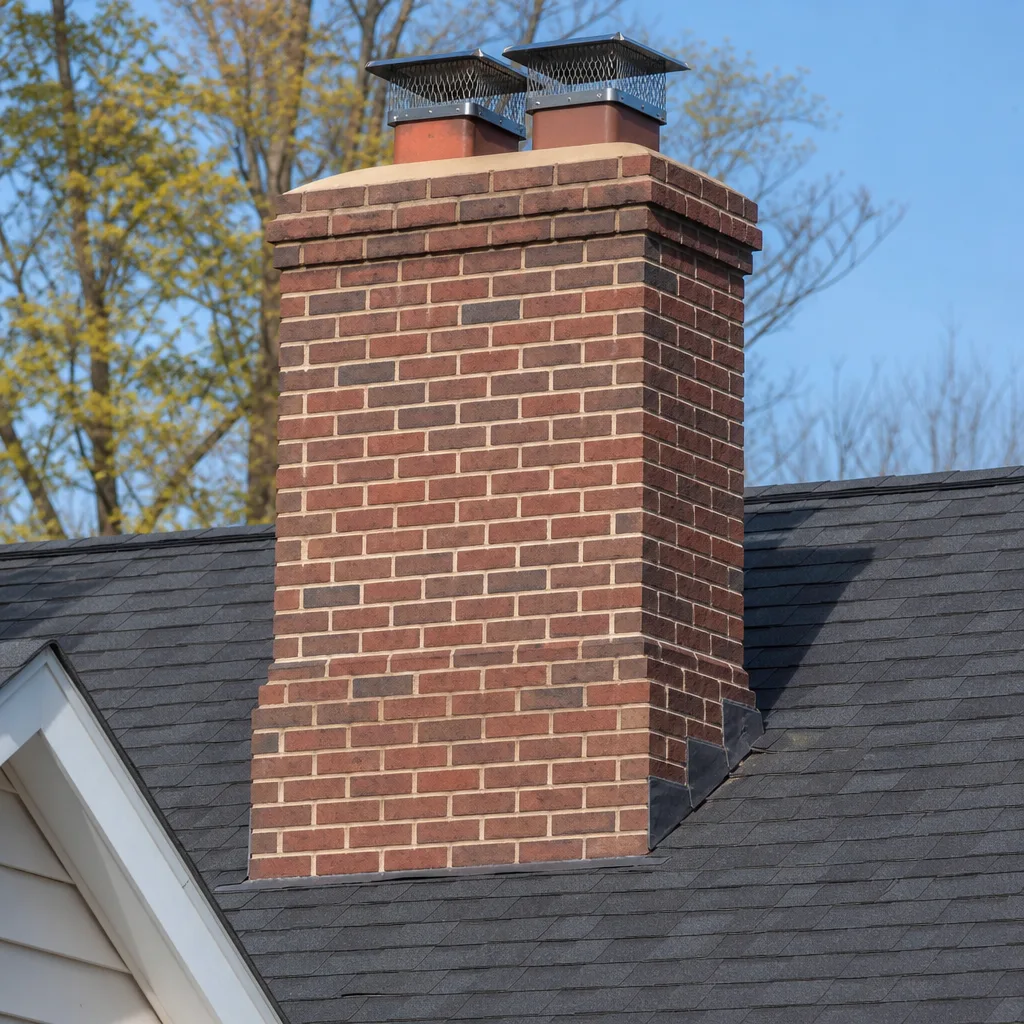 Masonry repair
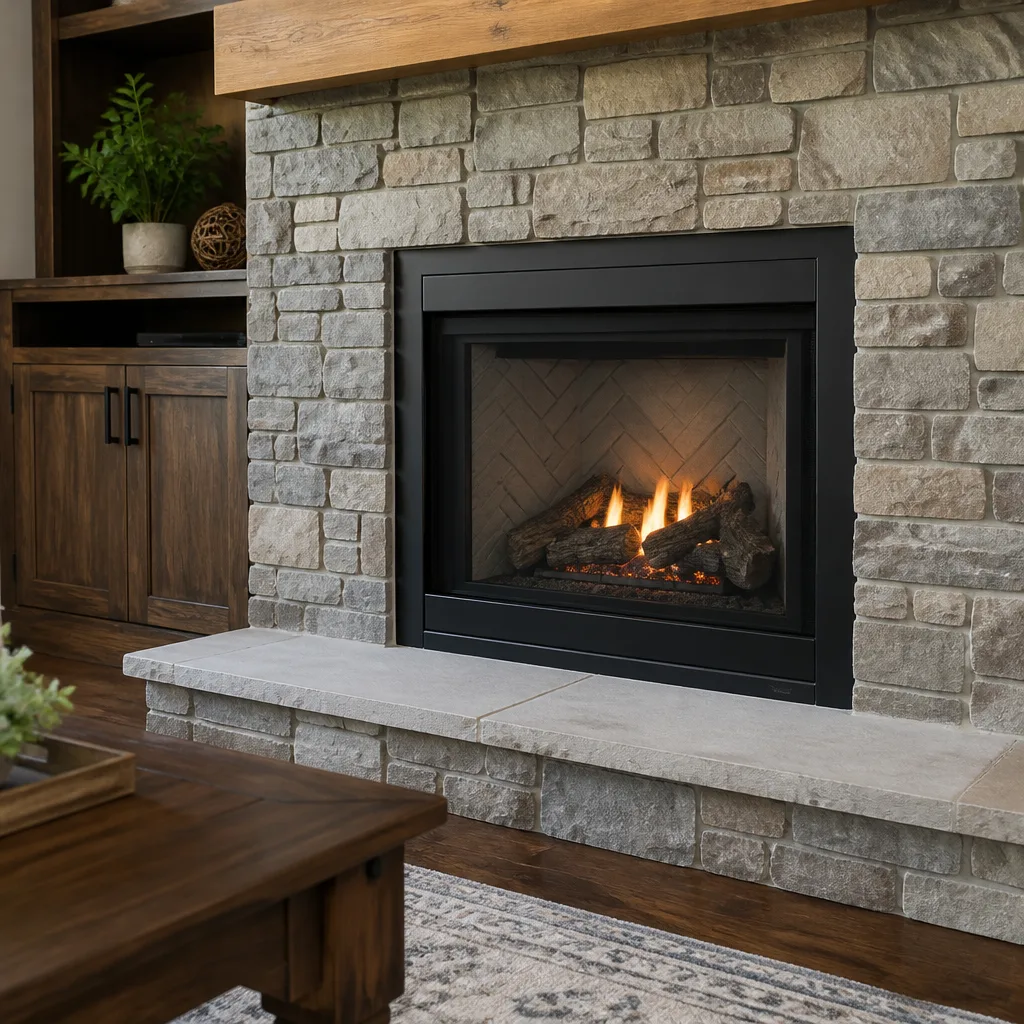 Gas fireplace service
Level 1 sweep and inspection to the NFPA 211 annual standard - flue, crown, cap, and flashing checked and photographed
Chimney sweep logs do not sweep chimneys. They loosen some creosote - which then falls where a brush and vacuum still have to collect it.
Chimney Cleaning Permits, Codes & Inspections in CA: What You Need to Know
California homeowners lose money at closing every year because a fireplace insert or relining job was done without a permit. Not because anyone was cutting corners on purpose. Usually it’s simpler than that: neither the homeowner nor the contractor knew where the line was. A chimney sweep is one thing. A new flue liner is another. And the difference matters more than most people realize until they’re sitting at an escrow table in San Diego with a disclosure form in front of them. This guide draws that line in plain English, and you can find The Complete Guide to Chimney Cleaning in San Diego for deeper context. You’ll learn exactly what requires a permit in California, what doesn’t, what San Diego County adds on top of state code, and how to avoid the unpermitted-work trap that costs sellers real money.
Quick Answer
Routine chimney sweeping and standard chimney inspections do not require a permit anywhere in California, including San Diego. Permits are triggered by structural changes: replacing a flue liner, installing a fireplace insert, rebuilding a firebox, or modifying the chimney’s framing or seismic bracing. Most of what the average homeowner needs each year falls squarely in the no-permit category. The trouble starts when a sweep turns into a repair recommendation and nobody checks the code line.
Styles & brands we work with
Table of Contents
- Where the Permit Line Actually Is: California’s Two Categories
- Title 24 and Your Chimney Damper: What Energy Code Requires
- San Diego County Amendments: What Local Code Adds to State Requirements
- The Inspection Sequence for Permitted Chimney Work
- How Unpermitted Chimney Work Shows Up at Resale
- Chimney Sweeping vs. Regulated Projects: A Side-by-Side Look
- Common Mistakes to Avoid
- When to Call a Professional
- Frequently Asked Questions
Where the Permit Line Actually Is: California’s Two Categories
California building codes split chimney work into two clear buckets: maintenance operations and regulated construction. Maintenance, which includes sweeping, level 1 and level 2 inspections, minor repointing of brick joints, and replacing a rusted damper plate with a like-for-like part, requires no permit and no inspection. Regulated construction, which includes relining a flue, installing or replacing a fireplace insert, rebuilding a firebox, changing the chimney’s structural anchorage, or altering the roofline penetration, requires a permit from the local building department before work begins.
What surprises most San Diego homeowners is how little gray area there actually is. California Health & Safety Code Section 17920.3 defines a substandard building condition as including any chimney that is deteriorated, improperly constructed, or a fire hazard. That’s not a permit trigger by itself. But the moment you fix that condition in a way that involves structural materials, the California Residential Code Chapter 10 kicks in and makes it a permit item. Replacing a cracked clay flue liner with a chimney inspection in San Diego recommendation that turns into work is the classic example. The sweep itself? No permit. The liner replacement? Permit required.
We’ve walked through this with hundreds of clients. The confusion is understandable. A technician pulls out a camera, shows you a cracked liner, and recommends a stainless steel replacement. You say yes. The work is done in a day. Nobody mentions permits. Five years later, the home is under contract and the buyer’s inspector flags the liner as unpermitted. Now you’re negotiating a credit or knocking on the building department’s door after the fact. The fix is simple: ask the question before the work starts.
Work That Never Needs a Permit in California
- Chimney sweeping and creosote removal
- Level 1 and Level 2 chimney inspections per NFPA 211 standards
- Cleaning the smoke chamber or firebox surfaces
- Replacing a damper with an identical model
- Repointing up to a threshold that does not alter the structural wall assembly
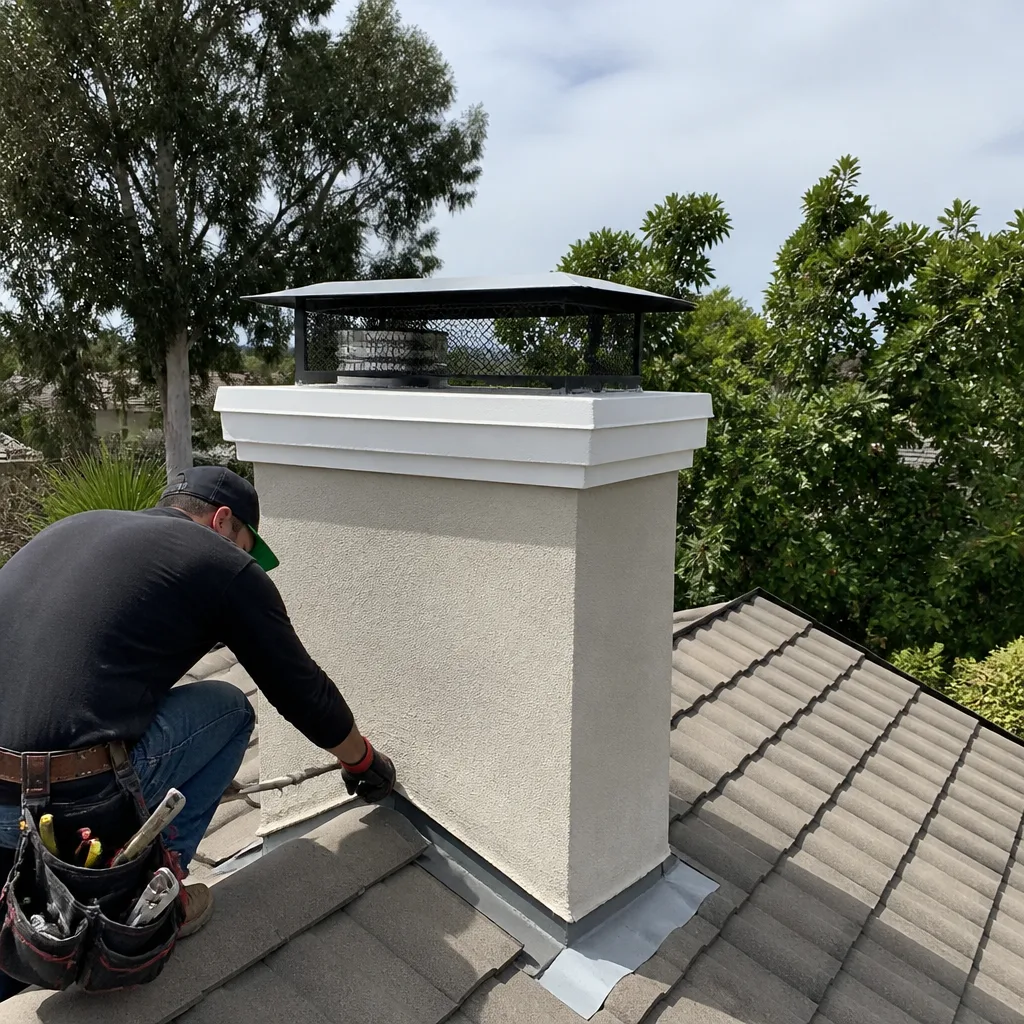
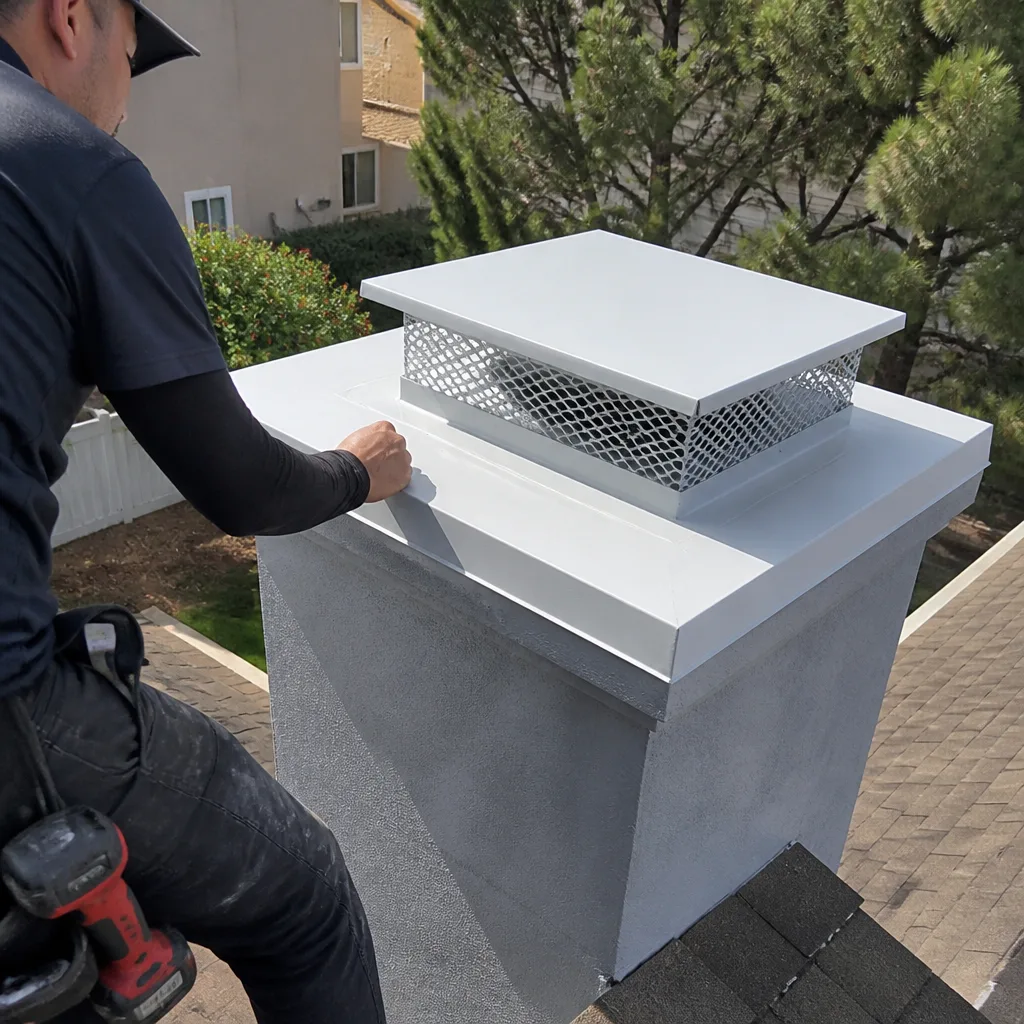
- Installing a spark arrestor or chimney cap on an existing flue
Work That Triggers a Permit in California
- Replacing any section of the flue liner, whether clay, cast-in-place, or stainless
- Installing a fireplace insert or factory-built fireplace where one did not exist
- Rebuilding a firebox or smoke chamber
- Structural repairs to the chimney stack, crown, or foundation anchorage
- Modifying the roofline or chimney flashing in a way that changes the penetration
- Any alteration to seismic strapping, bracing, or anchorage
Title 24 and Your Chimney Damper: What Energy Code Requires
Title 24 is California’s energy efficiency code, and it contains specific language about fireplace dampers that most homeowners never hear about until a permitted repair is already underway. Here’s the rule: whenever a chimney or fireplace undergoes permitted repair or alteration, the opening must be fitted with a damper that meets current Title 24 performance standards. That means an existing damper that bolted into place 30 years ago, leaks air like a screen door, and still technically opens and closes is no longer compliant the moment you pull a permit for other work on that same chimney.
The practical effect in San Diego is real. A homeowner pulls a permit to reline a flue with a stainless steel liner from a brand like DuraFlex or Copperfield. The inspector comes for the framing inspection. They note the damper. They ask the contractor to confirm it meets the current energy code. If it doesn’t, the scope of work expands and the price goes up. This is not the inspector being difficult. It’s the code doing exactly what it was written to do: prevent treating the chimney as a permanent hole in the building envelope.
Title 24 Section 4.503.1 requires that masonry fireplaces have a close-fitting damper or a listed alternative that reduces air leakage when not in use. The key phrase is “close-fitting.” Old cast-iron dampers with a quarter inch of gap around the frame fail this requirement. Newer top-sealing dampers and modern throat dampers pass. If you’re planning any permitted chimney work in San Diego, budget for a damper upgrade. It’s often the difference between a clean final inspection and a correction notice that adds two weeks to the project.
San Diego County Amendments: What Local Code Adds to State Requirements
San Diego County does not have a standalone chimney code. It adopts the California Residential Code with local amendments, and the amendments that affect chimney work are mostly about seismic anchorage and fire safety clearances. That’s the headline. What it means on the ground is that a chimney project permitted in San Diego County may have slightly different bracing requirements than the same project would in, say, Riverside or Orange County.
The county’s amendments to Chapter 10 of the California Residential Code are most specific about two things: the minimum clearance between a masonry chimney and combustible framing members, and the type of seismic strapping required for chimneys above certain heights. In unincorporated San Diego County, including areas around El Cajon, Lakeside, and Ramona, the building department enforces a stricter interpretation of chimney-to-framing clearance than many contractors expect. The gap that passes inspection in the city of San Diego may not pass in the county’s jurisdiction. If your contractor has mostly worked in the city, and your home is in an unincorporated area, that’s a conversation worth having before the permit application goes in.
For most San Diego homeowners, the city of San Diego is the permitting authority, and the city follows the state code with fewer modifications than the county. But the same rule applies in both: the permit must be issued before regulated work starts. Not after. Not during. Before. A contractor who says “we’ll pull it if the inspector shows up” is describing a code violation, not a plan.
The Inspection Sequence for Permitted Chimney Work
When you do pull a permit for chimney work in San Diego, you’re buying yourself a sequence of inspections. Knowing what each one covers removes the mystery and keeps the project moving. Most permitted chimney projects involve either two or three inspections, depending on the scope.
- Rough-in inspection. This is the first inspection and it happens before any finish materials go in. For a chimney project, the rough-in is when the inspector looks at the structural opening, the firebox framing or masonry condition, the seismic bracing, and the flue liner path. With a relining job, the inspector verifies that the liner is sized correctly for the appliance it will serve and that it’s properly connected. If you’re doing firebox repair with materials like HeatShield or Gelco products, the rough-in is when the inspector confirms the surface prep and the application thickness.
- Framing inspection (when applicable). This only applies if the project involves new framing around the chimney, which is more common with insert installations and factory-built fireplaces than with masonry repairs. The inspector is checking clearances between the chimney assembly and any wood framing, verifying that fireblocking is in place, and confirming that the chase or enclosure is built to the dimensions on the approved plans.
- Final inspection. This is the one that certifies the project. The inspector verifies the damper operates correctly, the flue liner is connected and sealed, the chimney cap and spark arrestor are installed, and any cementitious repair products are cured. When the final inspection passes, the permit is closed and the work is officially documented.
Each inspection requires the permit card to be posted at the job site and the work to be at the exact stage the inspector expects. Showing up for a rough-in when the firebox has already been finished means starting over with a correction notice. A good contractor, one who does this regularly, sequences the work around the inspections rather than treating them as an afterthought.
How Unpermitted Chimney Work Shows Up at Resale
Here’s where the money is. When you sell a home in California, the seller disclosure statement asks directly whether any work was done without permits. For many homeowners, the honest answer is yes, and the work in question is often a chimney reline or insert installation that was done years ago without a second thought. The disclosure form then becomes a negotiation tool for the buyer. It’s not that the work was defective. It’s that the work was never verified by a third party, and the buyer’s lender or insurer may now care about that.
In San Diego, the typical outcome is a price reduction or a credit at closing. We’ve seen unpermitted liner replacements cost sellers between $2,000 and $8,000 at the negotiating table, depending on the scope of work and how the buyer’s inspection report frames it. Sometimes the buyer simply asks for the work to be permitted after the fact. That requires a retroactive permit, which in San Diego means opening up enough of the assembly for the building department to verify the work, then doing the inspection, then closing everything back up. It’s almost always more expensive than pulling the permit in the first place.
The most frustrating version of this conversation is the one where the homeowner had no idea the work required a permit. They hired a contractor who said it was all maintenance. They paid in full. They moved on. Years later, an escrow agent flags the line item on the previous owner’s disclosure. Now someone has to fix it. The lesson here is not that your contractor was malicious. It’s that the contractor was uninformed, and the cost of that information gap landed on you. When you’re booking a chimney sweep in San Diego, ask the company directly: does this project require a permit? If they hesitate, call someone else.
Chimney Sweeping vs. Regulated Projects: A Side-by-Side Look
Let’s put it in a table, because the distinction is the entire point of this guide and a visual comparison helps more than paragraphs.
- Sweep the flue: No permit. No inspection. Routine maintenance. Done by a certified sweep with brushes and rods.
- Replace a cracked clay liner with stainless: Permit required. Rough-in and final inspections. Must meet current damper and clearance codes.
- Repoint a few loose bricks on the exterior: No permit, as long as the structural wall assembly is not altered.
- Rebuild the top two feet of the chimney stack: Permit required. Structural repair with inspection.
- Install a chimney cap and spark arrestor: No permit. Routine accessory installation.
- Replace the damper with a like-for-like unit: No permit. The damper code applies when other permitted work happens on the same chimney.
- Install a wood stove or insert with a new flue connection: Permit required. This is an appliance installation, not maintenance.
The pattern is simple enough to remember: if the work changes the structure, the venting path, the appliance, or the way the chimney attaches to the building, it’s regulated. If it keeps the existing system clean, sound, and working the way it was designed, it’s maintenance. When in doubt, call the San Diego building department and ask. They answer the phone. And whatever they tell you, get the contractor to confirm it in writing.
Common Mistakes to Avoid
- Assuming a sweep company is also a permit authority. Many excellent sweeps know the cleaning side deeply but have never pulled a building permit. Ask specifically: has your company pulled permits for relining work in San Diego County before? If the answer is no, that’s a signal to keep looking for the repair side of the job.
- Believing “it’s just a liner” means no permit. A liner is the vent path for combustion gases. It is structural, it is regulated, and the code treats it as a fire safety component. There is no exemption for stainless steel liners in the California Residential Code.
- Skipping the final inspection because the work looks done. Without a passed final inspection, the permit stays open and the work is not official. An open permit is a disclosure item the same way an unpermitted project is.
- Ignoring the damper requirement. The number one correction notice on permitted chimney work in San Diego is a damper that fails Title 24. Plan for it in the budget.
- Not keeping the permit records. When you sell, the buyer will ask for the permit number and the passed inspection documentation. If you can’t produce it, the work might as well be unpermitted from the escrow agent’s perspective.
- Treating county differences as trivia. If you live in unincorporated San Diego County, your clearances and strapping requirements are not identical to the city’s. Confirm the jurisdiction before the work starts.
- Waiting until escrow to look into it. Once a buyer’s inspector flags a question, you’re negotiating from behind. Checking your chimney’s permit status before listing costs nothing and saves real money.
When to Call a Professional
You should call a professional whenever the answer to the permit question involves any of the regulated categories above. But the more practical threshold is this: if a sweep or inspection reveals a crack, a gap, a repair recommendation, or a liner that’s no longer doing its job, get a written scope of work and a clear answer on permits before anything else happens. That’s the moment where unpermitted work starts. A good company will tell you plainly whether the work needs a permit, what the inspection sequence will look like, and what the total cost will be. For Chimney Cleaning Warning Signs: A San Diego Homeowner’s Reference Guide, see our earlier post. Ashby Chimney San Diego offers free estimates in San Diego, and every estimate includes a written price before any work starts. Call (619) 693-1499 if you’d like us to look at your chimney and tell you exactly which category your project falls into.
Frequently Asked Questions
No. Routine chimney sweeping is classified as maintenance under California building codes and requires no permit anywhere in the state, including San Diego. Sweeping removes creosote and soot buildup from the flue. It does not alter the structure, the venting path, or the appliance. The line is crossed only when a sweep reveals damage that requires structural repair or liner replacement.
Yes. Replacing any section of a flue liner, whether with clay, cast-in-place cementitious products, or stainless steel from a manufacturer like DuraFlex, is a regulated construction project that requires a building permit. The work includes at least a rough-in and final inspection. If you’re considering a liner replacement, call (619) 693-1499 and we can tell you what the permit process will look like for your specific home.
Chimney permit fees in San Diego County vary based on the scope and valuation of the work. Most small chimney projects, like a liner replacement or firebox rebuild, fall into a valuation range that carries a permit fee in the low hundreds of dollars, often between $150 and $400. The exact number depends on which jurisdiction issues the permit and the declared project valuation. The permit fee is a small fraction of what unpermitted work can cost at resale.
Legally yes, but practically it costs you money in most San Diego transactions. The work must be disclosed on the seller disclosure statement, and buyers routinely use unpermitted chimney projects, especially liner replacements and inserts, as a negotiation point. Most sellers concede a credit or price reduction. Some buyers walk. Getting the work retroactively permitted before listing is usually the cheaper path.
A sweep removes combustible creosote deposits from the flue. An inspection is a documented evaluation of the chimney’s condition, typically following the three levels defined by NFPA 211. Neither requires a permit. The inspection is what tells you whether the chimney is safe to use and whether any permit-triggering repairs are needed. A fireplace repair in San Diego that involves the firebox or liner moves into regulated territory.
The National Fire Protection Association recommends a chimney sweep and inspection at least once per year for chimneys in regular use. Homes that burn wood more than two or three evenings a week during the cooler months may need a mid-season sweep as well. San Diego’s mild climate means many homeowners use their fireplaces heavily for only a few months, which can actually allow creosote to accumulate unevenly. A yearly visit keeps the flue clear. If you’re not sure when yours was last cleaned, call us at (619) 693-1499 for a free estimate.
The Bottom Line
Routine chimney cleaning needs no permit in California, and most of what a homeowner does each year is pure maintenance. The line is crossed when the work becomes structural, and the list of trigger projects is short: liner replacement, insert installation, firebox rebuild, chimney stack repair, seismic modification, and damper changes on permitted jobs. San Diego County adds its own stamp on clearances and bracing. Title 24 drags the damper into most permitted scopes. And unpermitted work has a way of surfacing at the worst possible moment: the closing table. Ask the permit question before you hire. Get the answer in writing. Keep the records. Your chimney and your future closing will both be better for it. Browse more guides & resources to stay ahead of permit issues.
Written by Nathan Corliss, Owner at Ashby Chimney San Diego, serving San Diego since 2002.
See the difference
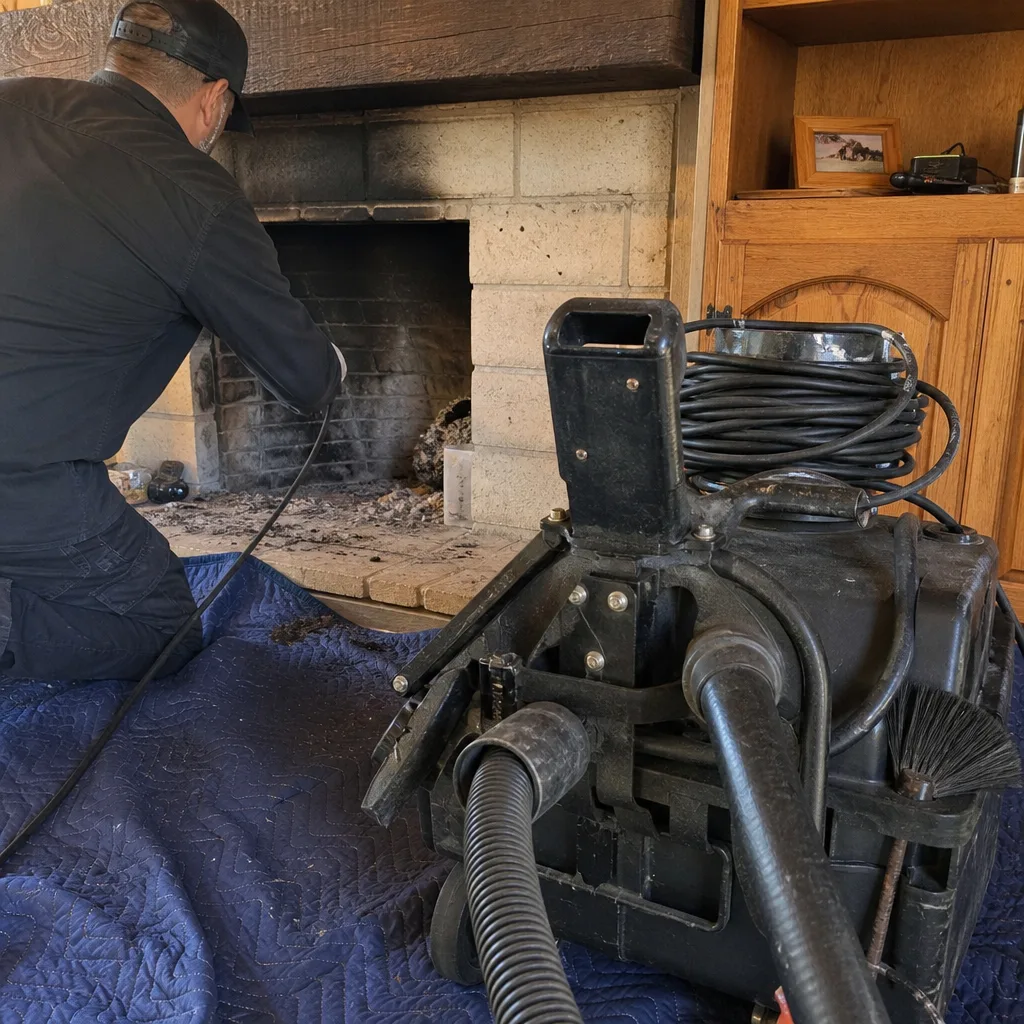 Before
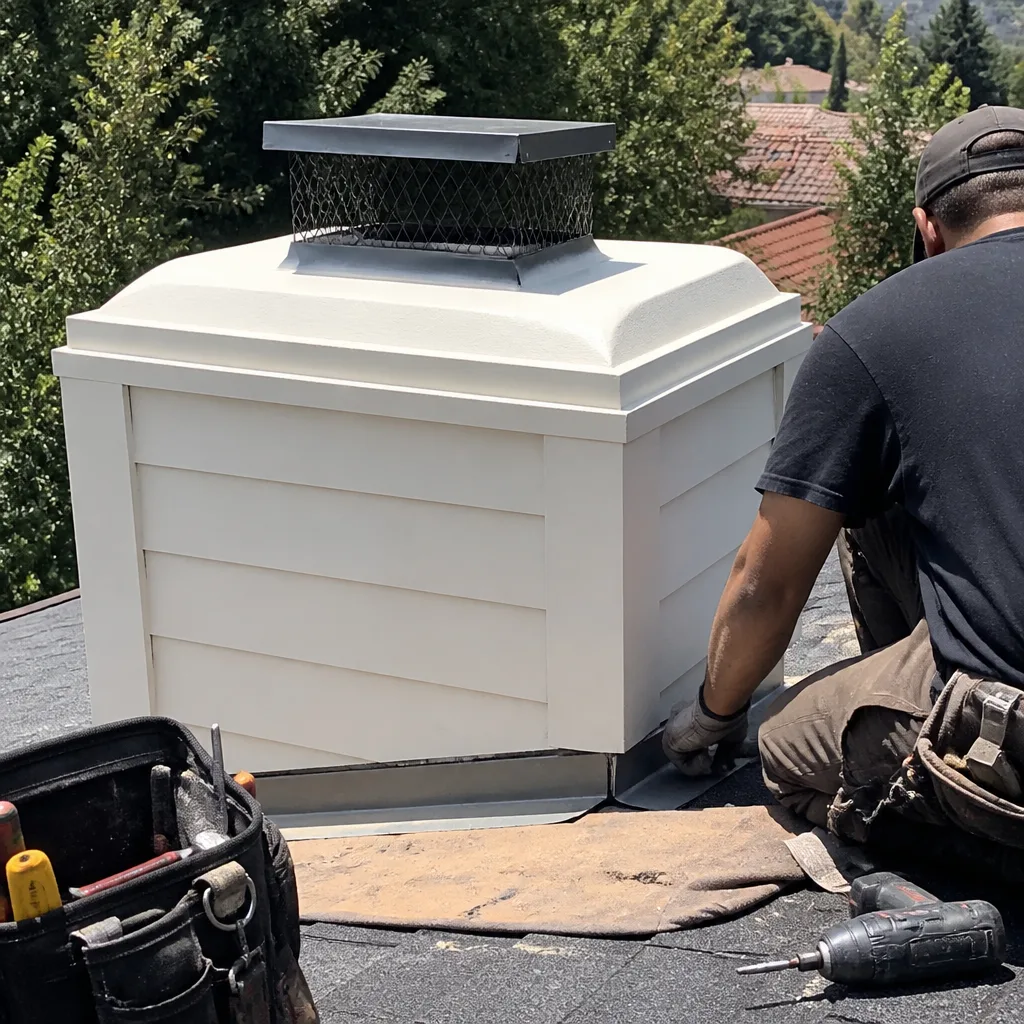 After
After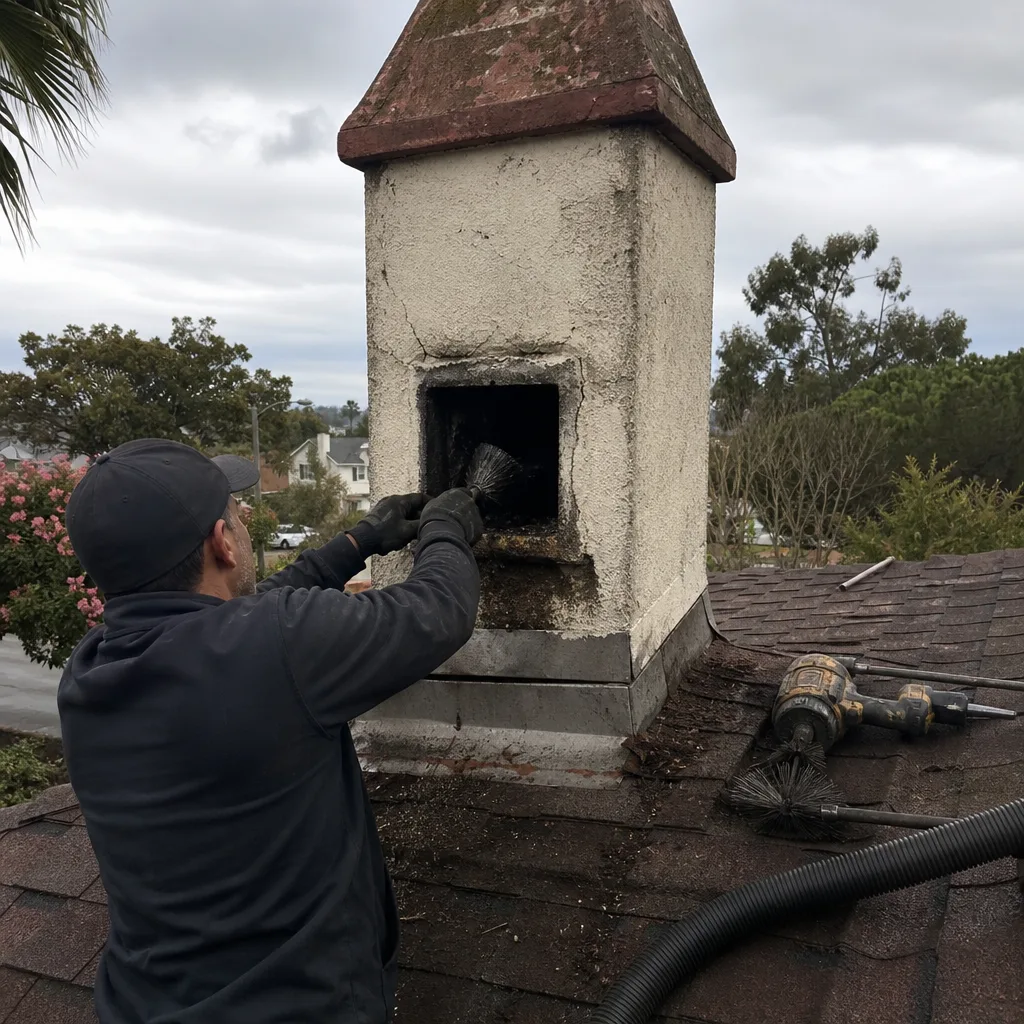 Before
 After
After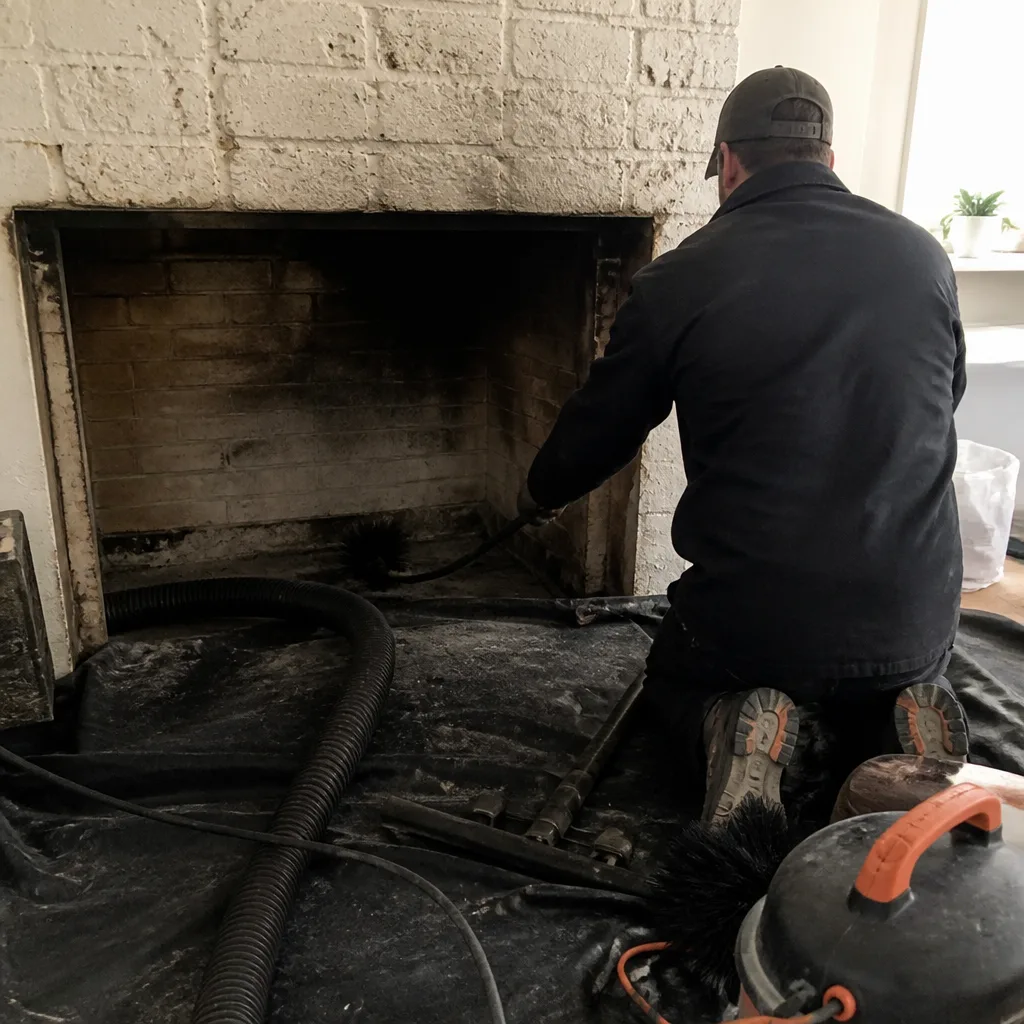 Before
 After
After