
Last updated October 15, 2026
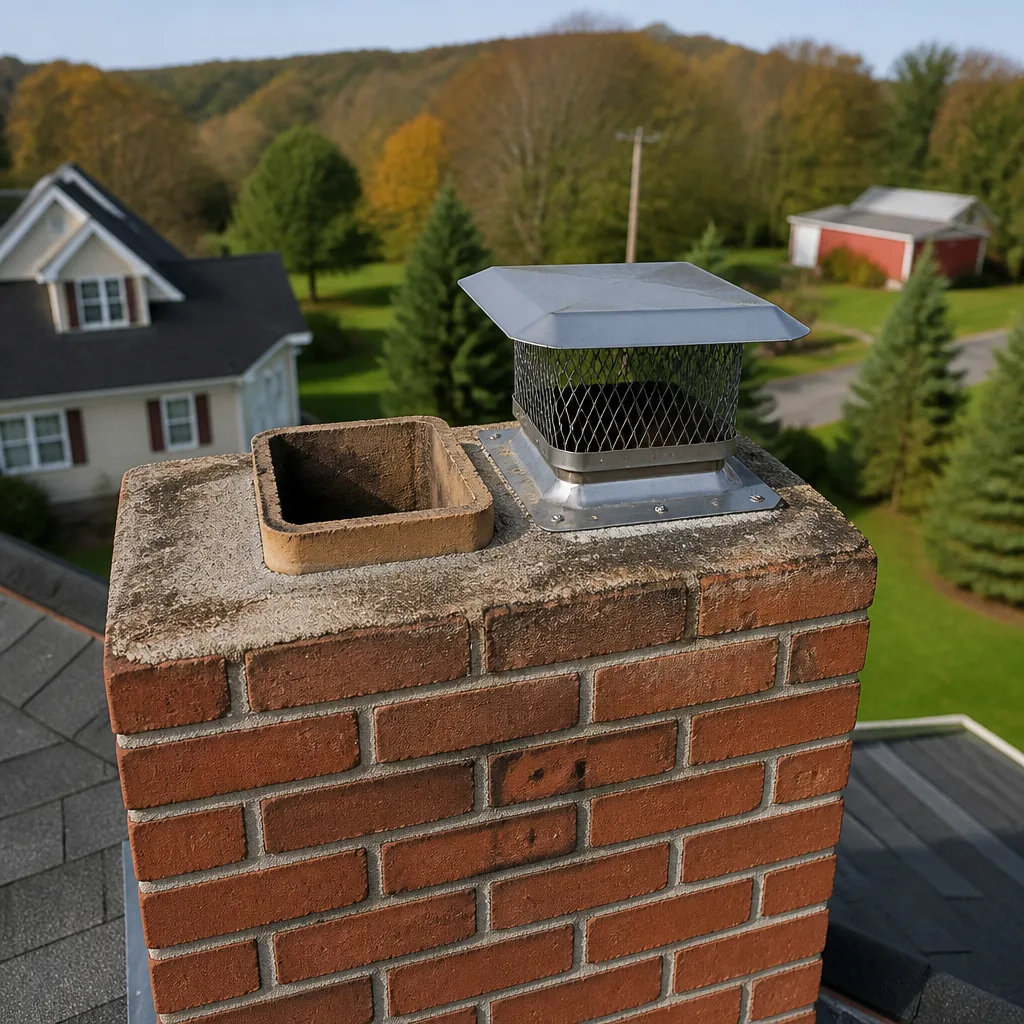 Sweep & inspection
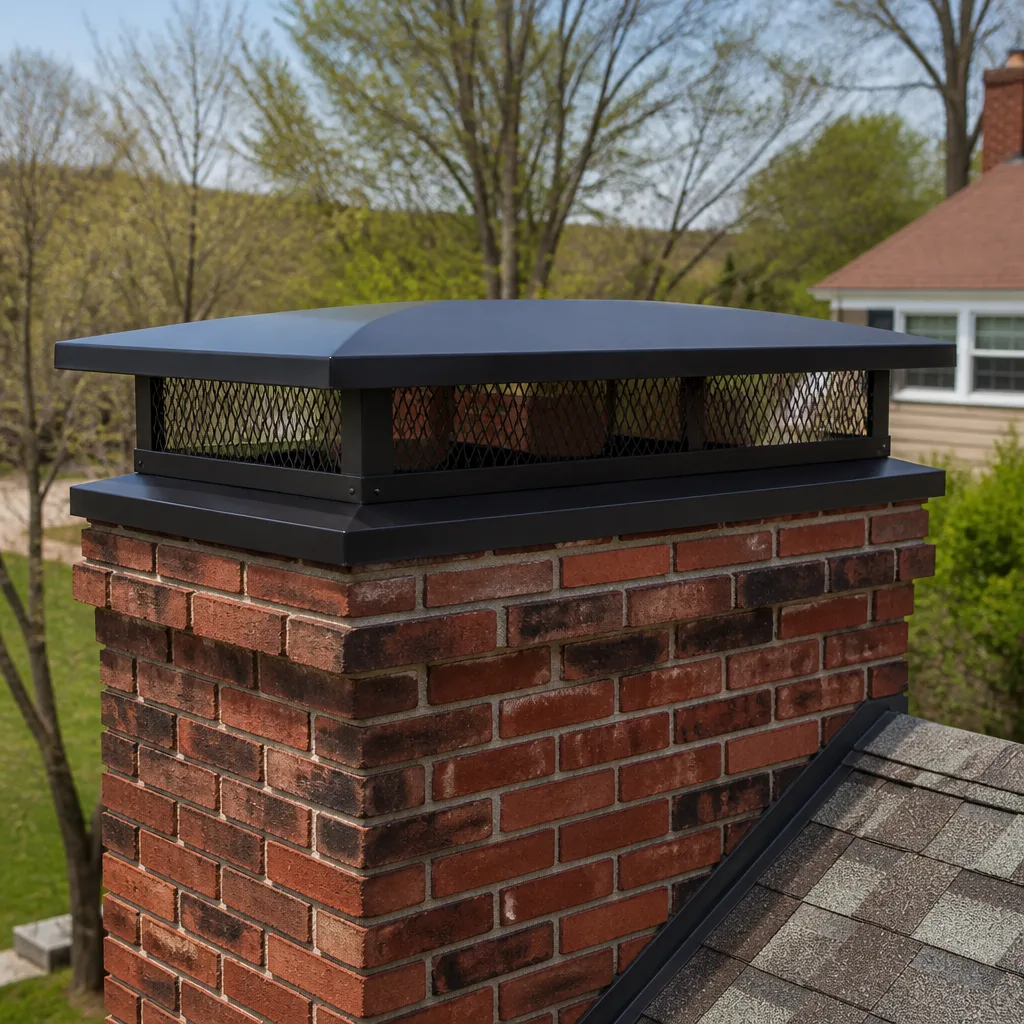 Caps & crowns
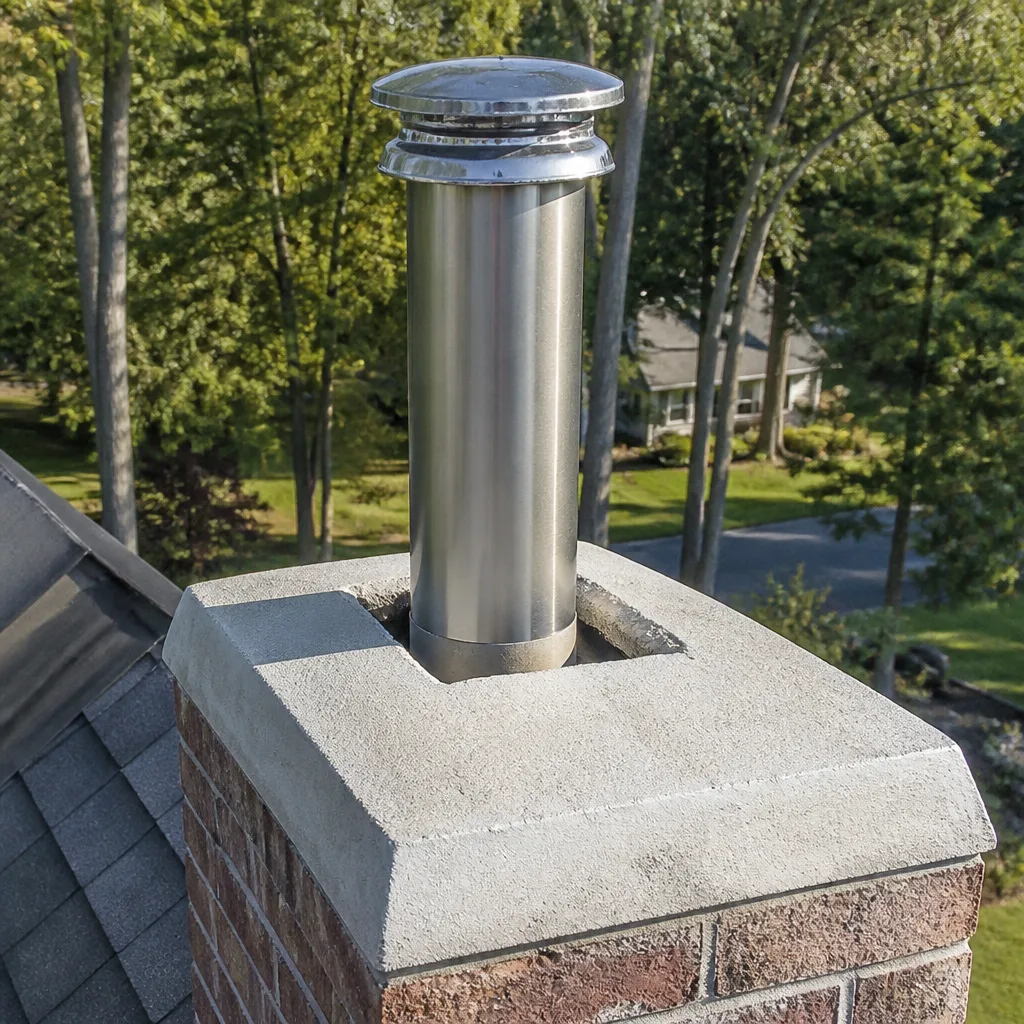 Flue relining
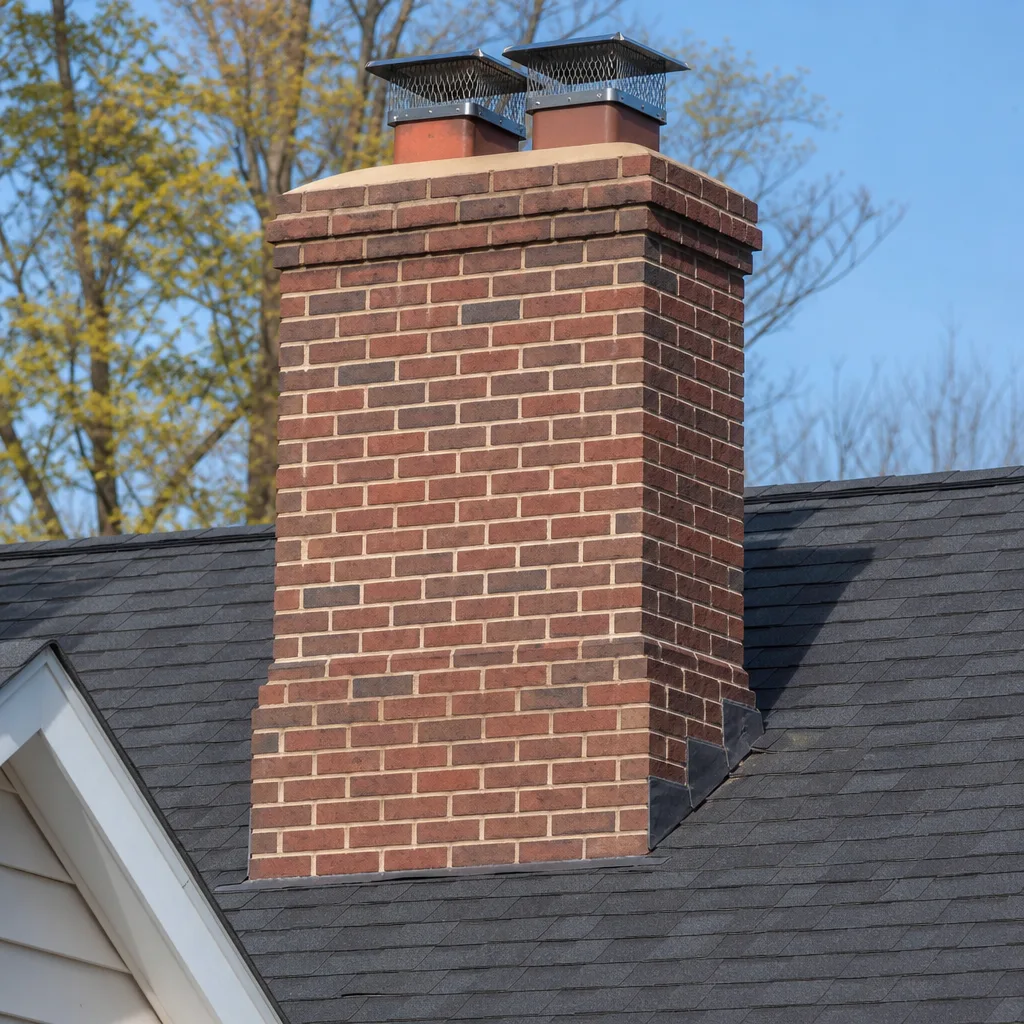 Masonry repair
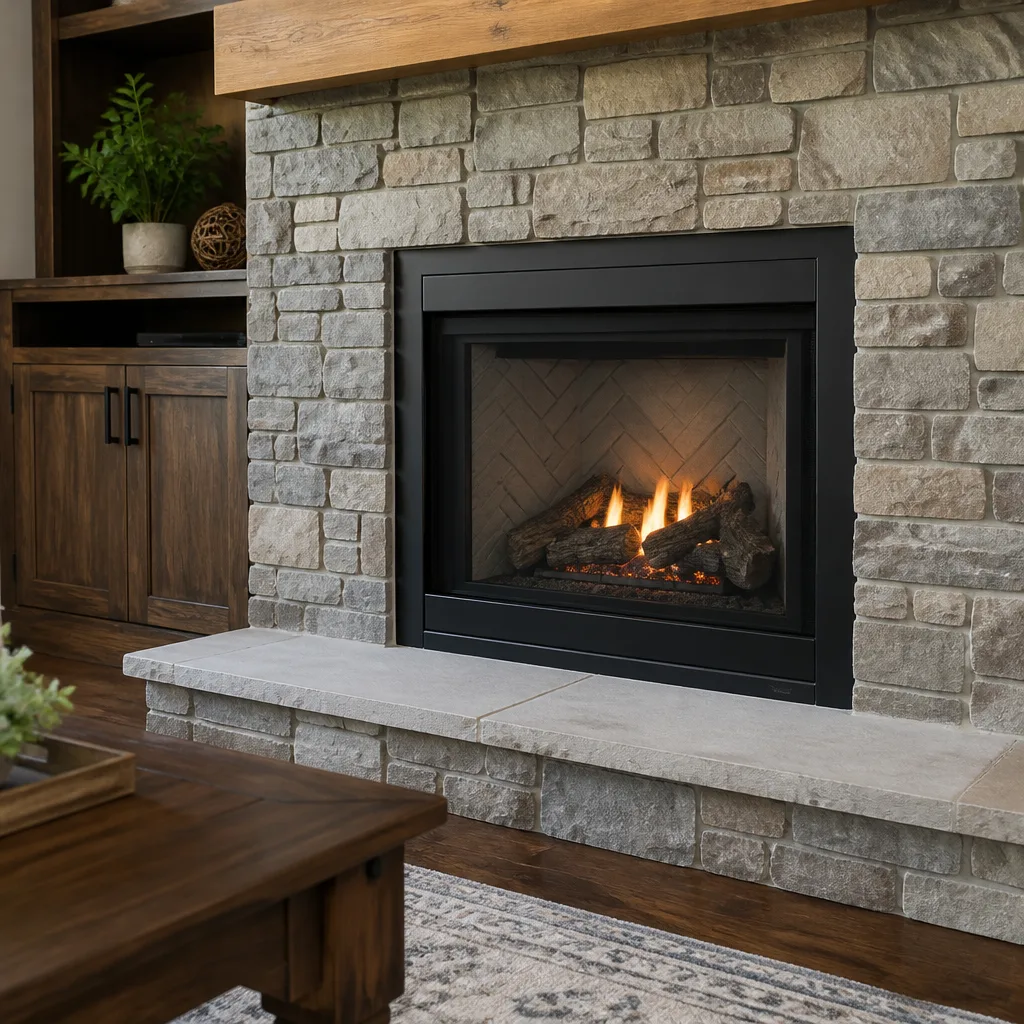 Gas fireplace service
Level 1 sweep and inspection to the NFPA 211 annual standard - flue, crown, cap, and flashing checked and photographed
Chimney sweep logs do not sweep chimneys. They loosen some creosote - which then falls where a brush and vacuum still have to collect it.
Chimney Sweep Maintenance Checklist for San Diego Homeowners
If you’re using a chimney maintenance checklist written for four-season climates, you’re maintaining a San Diego fireplace with the wrong map. You’re checking for frost damage in a city that rarely freezes, and skipping the wildfire-debris inspection that actually matters here. The flues above San Diego fireplaces face a specific set of challenges: Santa Ana winds that reverse airflow, nine months of idle time that invites critters, and ash from fires burning fifty miles inland. This guide is a season-by-season maintenance calendar built for how San Diego homes actually live, and you can explore our more guides & resources for year-round fireplace care. By the time you finish reading, you’ll know what to check each month, what you can inspect yourself from the firebox without climbing on the roof, and when to pick up the phone.
Quick Answer
A San Diego chimney maintenance checklist should be organized around the city’s actual seasonal risks, not a generic four-season template. The core tasks are: inspect the cap and screen every spring, check the damper before offshore wind events, schedule a professional Chimney Sweep in San Diego between May and September when creosote is at its driest, and watch for critter activity during the nine months the fireplace sits idle. Most San Diego service calls trace back to one item: a missing or damaged cap and screen. Fix that, and you eliminate roughly 80% of the problems homeowners call us about.
Styles & brands we work with
Table of Contents
- The San Diego Chimney Maintenance Calendar: What to Do Each Season
- Cap and Screen Integrity: The One Item That Prevents Most Service Calls
- Critter Intrusion: Swifts, Squirrels, and Raccoons in San Diego Flues
- Damper Checks and Santa Ana Wind Events
- What You Can Safely Inspect Yourself from the Firebox
- How Often to Sweep a San Diego Chimney: Timing and Cost
- Wildfire Season Ash-Out: Why It Matters Even If You Don’t Burn Often
- When to Call a Professional
- Common Mistakes to Avoid
- Frequently Asked Questions
The San Diego Chimney Maintenance Calendar: What to Do Each Season
San Diego doesn’t have winter in the way most chimney guides assume. We have a wet season that runs roughly November through March, a dry season from April through October, and fire season, which increasingly overlaps both. That means your maintenance rhythm should follow a different logic than a homeowner in Minneapolis or Boston would use.
January through March: Rainy Season Awareness
- Check for water intrusion after heavy rain. Rain that comes in sideways off the Pacific can penetrate even a sound chimney if the cap is angled wrong or the crown has hairline cracks. Look for dark staining on the ceiling around the chimney chase, or water streaks on the firebox walls.
- Test the damper after rain. A damper that’s stiff or sticky in January is often rusting at the hinge. That rust doesn’t fix itself, and a stuck damper in a closed firebox can make your fireplace unusable exactly when you want it.
- Watch for efflorescence on exterior brick. That white powdery deposit means water is moving through the masonry. In San Diego, it’s often salt-laden coastal moisture, not freeze-thaw, doing the damage. The mechanism is different from northern climates, but the fix is the same: seal the crown and repair the mortar joints before the next wet season.
April through June: Off-Season Inspection Window
This is the smartest time to schedule a professional sweeping and inspection in San Diego. Here’s why: creosote sits at its driest during late spring and early summer. It’s easier to remove, the technician can see more, and you’re ahead of the rush that starts when the first cool evening in November sends every fireplace owner in the county to the phone at once. We service all of San Diego and the surrounding communities, and our Chimney Inspection in San Diego service is thorough enough to catch problems during this slow season, when repairs can be completed without the pressure of a cold snap or a fire warning.
July through September: Heat and Idle Fireplaces
- Inspect for critter activity. During the hottest months, animals seek the cool, shaded interior of a chimney. We cover this in depth below, but the short version: listen for scratching, look for droppings in the firebox, and check for nesting material on the smoke shelf.
- Verify the cap is still fastened. Summer monsoonal moisture and high UV exposure can degrade old caulking and loosen mechanical fasteners. A cap that rattles in the wind is a cap about to come off.
- Run a damper open-close cycle every six weeks. This keeps the hinge lubricated and confirms the handle mechanism hasn’t seized while the fireplace sat unused.
October through December: Burn Season and Santa Ana Wind Season
- Check the damper before every Santa Ana event. Offshore winds reverse the normal chimney draft. We cover the physics of this below, but the practical point: a damper left open during a Santa Ana can fill your living room with smoke or, worse, carbon monoxide from your own water heater back-drafting down the flue.
- Schedule your sweep in October if you missed spring. You want the flue clean before the first fire, not after creosote has had a summer to bake on.
- After wildfire events, check for ash accumulation. Even a closed damper allows fine particulate to settle down the flue. A half-inch of settled ash on the smoke shelf reduces draft and can smolder if it’s mixed with creosote.
Cap and Screen Integrity: The One Item That Prevents Most Service Calls
In San Diego, roughly 80% of the service calls we run trace back to a missing, damaged, or improperly installed chimney cap. That’s not a national statistic; it’s what we see in our own truck logs, year after year, from Point Loma to Ramona.
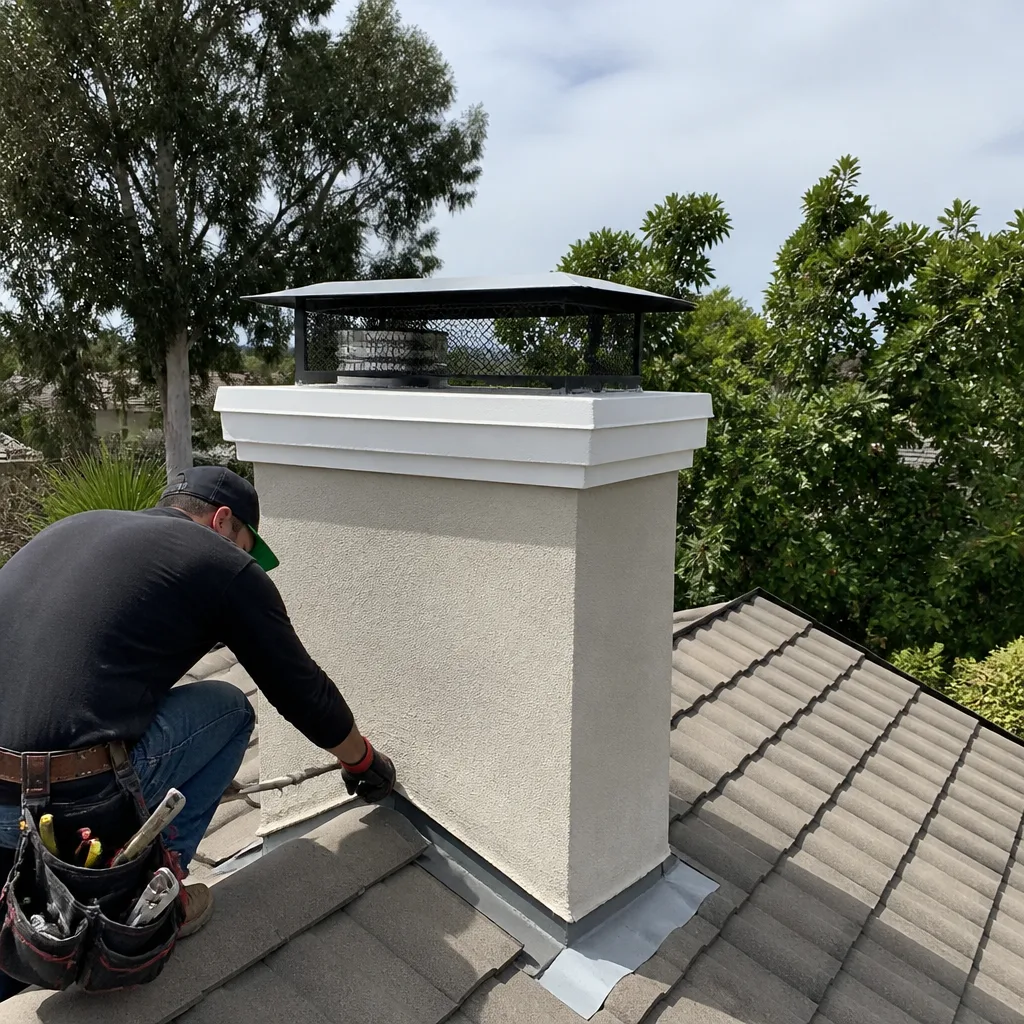
The cap is the metal assembly that sits on top of your flue. It does three jobs: it keeps rain out, it keeps animals out, and its spark arrestor screen prevents live embers from landing on your roof or a neighbor’s dry brush. In a city where fire season is an annual reality, that third job isn’t optional.
A screen that’s torn, rusted through, or pulled away from its frame isn’t doing any of those jobs. We commonly see screens with holes large enough for a finch or starling to slip through. Once a bird gets in, it builds a nest on the smoke shelf, which blocks the flue, which causes smoke to pour into the living room, which is how a $45 screen replacement becomes a $300 removal and sweep.
What you should look for, without getting on the roof:
- Can you see the cap from the ground with binoculars? If it’s tilted, rusted through, or missing entirely, call before you burn again.
- Is there nesting material sticking out from under the cap edge?
- Do you hear birds chirping from inside the fireplace in spring?
- Has it been more than five years since anyone looked at the cap? UV and salt air in San Diego degrade galvanized steel faster than the national average.
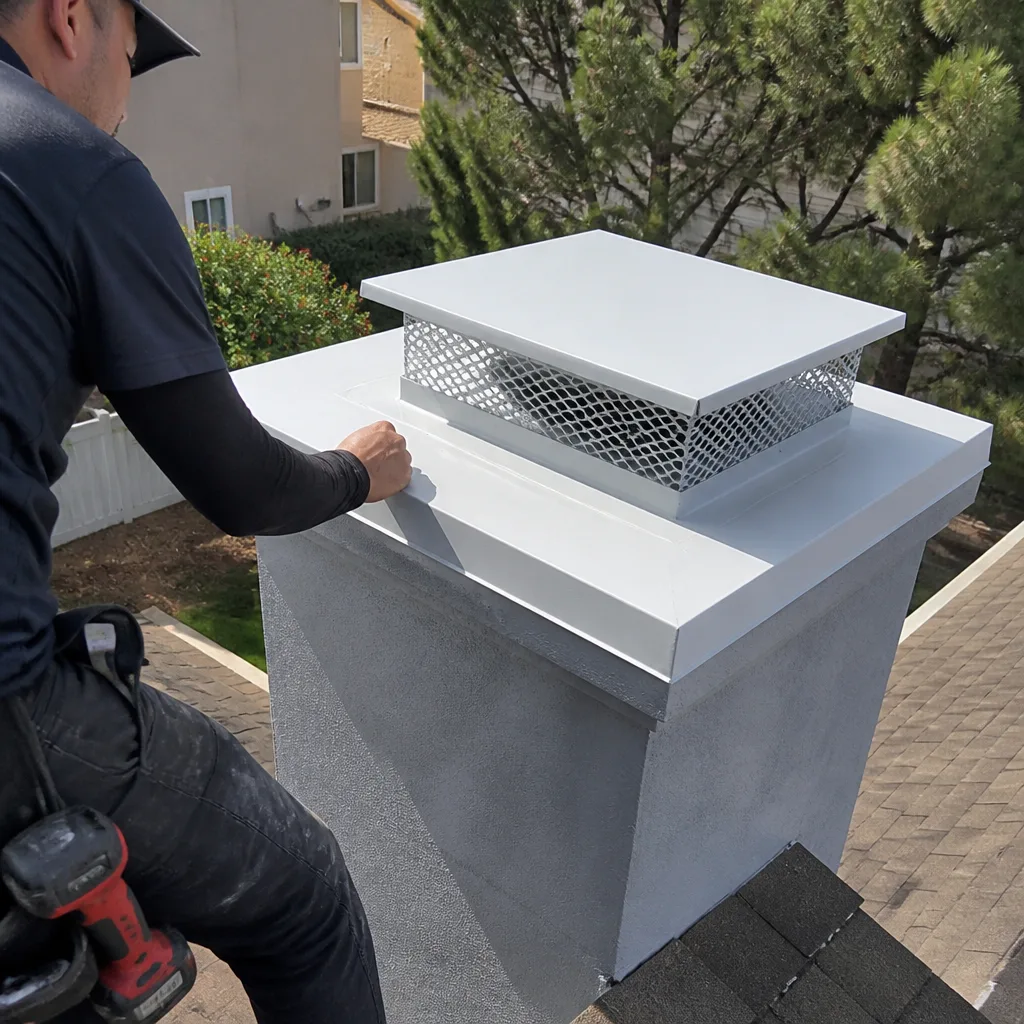
We install caps manufactured by Copperfield and other chimney-trade brands. The right cap for a San Diego home is typically stainless steel rather than galvanized, because the combination of coastal salt, UV exposure, and the occasional Santa Ana sandblast wears galvanized plating thin in about three to five years. Stainless costs more up front and lasts roughly three times as long.
Critter Intrusion: Swifts, Squirrels, and Raccoons in San Diego Flues
San Diego fireplaces sit idle for nine months of the year. That’s a long time for an unused flue to become an animal den. The three species we deal with most often in San Diego County are chimney swifts, fox squirrels, and raccoons. Each leaves distinct signs, and each requires a different response.
Chimney Swifts
Swifts are the most common chimney birds we encounter. They’re protected under the Migratory Bird Treaty Act, which means you can’t legally remove an active nest. The birds glue twigs to the flue wall with saliva, building a small cup-looking structure that blocks draft. The sign: a high-pitched chirping that stops when you tap the firebox wall. If you hear that in spring, do not light a fire. Wait until the young have fledged, typically by late summer, then have the flue swept and a proper screen installed.
Fox Squirrels
Fox squirrels are aggressive climbers and will chew through plastic or aluminum vent caps to get into a warm flue. They leave droppings that look like oversized rice grains scattered in the firebox. They also leave chew marks on the damper frame. A squirrel in the flue is a fire hazard: the nesting material they bring in is bone-dry and sits directly above where you want a fire.
Raccoons
A raccoon in a chimney sounds like something much larger than a bird. You’ll hear heavy movement, and you may see paw marks on the exterior chase or shingles near the cap. Raccoons enter through uncapped flues and can drop down into the firebox itself, especially if the damper is left open. If you suspect a raccoon, close the damper if you can do so safely and call immediately. These are not animals you want to corner inside a firebox.
The solution for all three is the same: a heavy-gauge stainless steel cap with a properly sized spark arrestor screen, installed and mechanically fastened. We see homes where the cap looks fine from the ground but was never actually screwed to the flue tile. A determined raccoon can pick up and push aside an unsecured cap in about twenty minutes.
Damper Checks and Santa Ana Wind Events
Santa Ana winds don’t just spread wildfire. They change the way your chimney drafts. Here’s what happens: during normal weather, warm air inside your home rises and exits through the chimney, which is why a chimney works as a draft system even when there’s no fire. During a Santa Ana, high pressure builds over the Great Basin and pushes air down the western slopes toward the coast. That high-pressure column sits over your chimney and pushes air down the flue instead of up.
The practical result: smoke from your fireplace gets shoved back into the living room. And if your water heater or furnace vents into the same chimney chase, carbon monoxide can be pushed back into the house even when no fire is burning.
Two simple habits fix this in most San Diego homes:
- Close the damper whenever the fireplace isn’t actively burning. This is the single most effective thing you can do to prevent back-draft during offshore wind events. If the damper is open, the flue is an open pipe into your home. Close it.
- Test the damper seal before fire season. Close the damper and hold a lit match or lighter near the edges. If the flame wavers or blows inward, the seal is failing and the damper needs adjustment or replacement. We perform this test during every Fireplace Repair in San Diego visit, and it catches more issues than any other single check.
A damper that doesn’t close all the way isn’t just a draft issue. It’s a carbon monoxide pathway during Santa Ana conditions. In our experience, this is the single most underappreciated safety risk in San Diego fireplaces, because most national guides don’t address offshore wind dynamics at all.
What You Can Safely Inspect Yourself from the Firebox
You don’t need to get on the roof to do a meaningful chimney inspection. From inside the firebox, with a flashlight, you can see several components that predict most problems. Here’s a step-by-step for what we call the firebox floor check:
- Put on a dust mask and eye protection. Soot and old ash are respiratory irritants. This is not a job for bare lungs.
- Lay down a drop cloth or old sheet in front of the fireplace. You’re going to dislodge soot.
- Open the damper and shine a flashlight up the throat. Look at the smoke shelf, the flat ledge just above the damper. This is where creosote, ash, and critter debris collect. If you see more than a quarter-inch of fluffy soot or any nesting material, plan for a sweep.
- Inspect the damper plate. Is it rusted? Does it seat evenly when closed? Does the handle move smoothly through its full range? A damper that doesn’t seal creates a permanent heat loss and draft path.
- Examine the firebox walls and floor joints. Look for cracks wider than a dime, crumbling mortar, or bricks that shift when you press them. Any of these means the firebox liner is failing and sparks have a path to reach framing lumber.
- Shine the light up the flue as far as you can see. In a clean flue, you should see clay tile or smooth metal with no dark buildup. If the walls look fuzzy, sticky, or shiny-black, that’s creosote and it’s ready to burn.
That’s the extent of what we recommend doing yourself. Everything beyond that point involves a second person, a ladder, a roof harness, or specialized camera equipment. If your visual inspection turns up anything questionable, that’s the point to call us at (619) 693-1499. We’ll bring a camera and show you exactly what we see before we recommend any work.
How Often to Sweep a San Diego Chimney: Timing and Cost
In San Diego, most chimneys should be swept once per year. That’s the National Fire Protection Association standard, and it holds for our climate. If you burn more than three fires per week during the November-to-February season, sweep twice a year. If you burn unseasoned wood, fast-burning softwoods like pine, or manufactured logs regularly, twice a year is the safer interval.
Creosote doesn’t build at the same rate in San Diego as it does in, say, Buffalo. Our winters are shorter and our fires are smaller. But the creosote that does form sits in a hotter, drier attic environment through the summer, which makes it more prone to igniting when burn season returns. Dried creosote burns like a fuel rod.
The timing matters almost as much as the frequency. Book your sweep between May and September. You’ll get a slower, more thorough job than you would during the November rush. And if the sweep reveals a cracked flue tile or a deteriorating liner, you’ll have months to repair it before the first cool evening, not days.
Most chimney sweeps in San Diego run between $180 and $350, depending on the condition of the flue, the height of the roof, and whether the fireplace has been maintained regularly. Repair work, like a new damper or a chimney cap installation, runs higher and depends on what the camera inspection turns up. Whatever the scope, our quote is written before any work starts, and the number on the invoice matches the number we quoted at the door.
Wildfire Season Ash-Out: Why It Matters Even If You Don’t Burn Often
Even if you haven’t lit a fire in five years, a San Diego chimney collects wildfire debris. Fine ash from a fire burning in Alpine or Ramona travels fifty miles on Santa Ana winds and settles into every flue in the county, blocked or not. A closed damper doesn’t stop the finest particles from drifting down around the damper frame and onto the smoke shelf.
That settled ash is more than cosmetic. Here’s what it does:
- It absorbs moisture from coastal humidity and becomes mildly acidic. Over time, that acidity eats at the mortar joints in the flue tile, worsening any existing cracks.
- It mixes with residual creosote to form a paste. That paste blocks the small bypass channels in the damper and makes the damper stick.
- It becomes a persistent odor source. On humid days, that stale smoke smell drifting from the fireplace is usually settled wildfire ash, not a dirty flue.
The fix is simple. After any significant regional fire event, open the damper, vacuum the smoke shelf and firebox floor with a HEPA filter shop vac, and close the damper again. If you can’t reach the smoke shelf, or if the ash has mixed with creosote and won’t vacuum out, schedule a sweep. We perform this ash-out service across San Diego, and it’s one of the most common requests we get in October and November, right after the worst of fire season ends.
When to Call a Professional
Some maintenance tasks are homeowner work. Others require professional equipment and training. Call us if you see any of the following: dark, shiny creosote buildup thicker than a quarter-inch on the flue wall; cracked or crumbling firebox bricks; a damper that won’t move or won’t seal; animal noise or nesting material anywhere in the flue; water staining on the ceiling around the chimney; or a dull smoke smell that persists even after a thorough vacuum. These are all conditions where guesswork can make the problem worse. Ashby Chimney San Diego offers free estimates in San Diego – call (619) 693-1499 and we’ll schedule a visit, provide a written price before any work starts, and put the guarantee for any repair in writing.
Common Mistakes to Avoid
- Skipping the cap inspection because it “looks fine from the ground.” We’ve removed caps in La Mesa that were completely rusted through on the back side, invisible from the street. The cap fails first where the wind and salt hit it hardest, not where you can see it.
- Burning pine and eucalyptus from yard trimmings. Both are abundant in San Diego and both produce fast-burning, high-resin fires that leave sticky creosote deposits. This is the most common cause of rapid creosote buildup we see in local flues.
- Closing the damper while embers are still active. This traps carbon monoxide in the home. Always wait until the fire is fully extinguished and the embers are cold to the touch before closing the damper.
- Using the fireplace during a Red Flag Warning. It’s illegal in many parts of San Diego County to burn during high fire danger, and it’s always a bad idea. A single spark escaping a damaged screen can ignite a roof or brush in minutes.
- Waiting until November to schedule service. Every chimney company in San Diego runs on a two-to-four-week backlog by Thanksgiving. Book your sweep in summer and you’ll have your pick of appointment times.
- Ignoring a sticky damper. A damper that’s hard to open or close is telling you something. It’s rusted, warped, or caked with creosote, and none of those conditions get better with time.
- Letting a handyman “fix” the chimney. Chimney repair is its own trade. We’ve corrected flue liner installations in Pacific Beach that were done by well-intentioned general contractors using the wrong materials. The pictures were not pretty.
Frequently Asked Questions
Most chimney sweeps in San Diego run between $180 and $350 for a standard fireplace. The price varies based on the flue condition, roof height, and how long it’s been since the last cleaning. We quote a written price before any work starts, and that’s the number you pay. Call (619) 693-1499 for an exact quote – estimates are free.
If you burn fewer than a dozen fires per season in San Diego, an annual sweep is sufficient. The bigger risk for occasional users isn’t creosote volume; it’s the nine months of idle time that allows critters, debris, and moisture to move in. The annual visit catches those issues early, when they’re cheap to fix.
Not always. The correct answer depends on the size and location of the crack, the age of the liner, and whether the flue is still drafting correctly. That’s why we run a camera inspection before recommending any liner work, and we’ll show you the footage so you can see the crack yourself. Sometimes a crack is cosmetic and can safely wait. Sometimes it’s a genuine fire hazard that needs a HeatShield or DuraFlex relining product to correct. You should never accept a liner replacement recommendation without seeing the camera evidence.
The likely sequence in San Diego looks like this: the cap screen rusts through, a bird or squirrel moves in during spring, nesting material blocks the flue, your first fire of December fills the living room with smoke, and the subsequent inspection reveals a creosote-clogged flue and a $500-to-$1,500 repair bill that could have been $45 for a new screen. The less likely but far worse outcome is a chimney fire. Either way, skipping maintenance never saves money in the long run.
Generally, no. Santa Ana winds create high pressure over the coast that pushes air down the flue and reverses the draft. Burning during a Santa Ana risks smoke and carbon monoxide back-drafting into the home, and it’s prohibited during Red Flag Warnings in much of San Diego County. Check the damper, keep it closed when not burning, and skip the fire until the wind shifts back to onshore flow.
A sweep removes creosote, ash, and debris from the flue. An inspection evaluates the structural and mechanical condition of the entire system: cap, crown, flue liner, smoke shelf, damper, firebox, and chase. Most San Diego homeowners get both at the same visit; it’s the most efficient way to maintain the system. Every Chimney Inspection in San Diego we perform includes a camera pass and a written report, whether or not a sweep is needed.
Vacuum the firebox floor and smoke shelf, inspect the damper for stiffness, and check the cap screen for ember damage. If you notice a persistent smoke smell despite the damper being closed, or if the flue looks coated with ash, schedule a professional ash-out. A standard sweep removes wildfire ash effectively, and it’s a straightforward, affordable service. Call (619) 693-1499 to get on the schedule.
The Bottom Line
San Diego chimneys don’t fail the way northern chimneys do. They fail from salt air corrosion, nine months of idleness, Santa Ana back-drafts, and critters that treat an uncapped flue like a rent-free condo. The maintenance checklist that actually works here starts with the cap and screen, checks the damper before every offshore wind event, sweeps once a year during the slow season, and watches for animal activity during the months the fireplace sits dark. Most of what you need to know can be checked from the firebox floor with a flashlight. The rest, we’re happy to handle. Ashby Chimney San Diego home page has our full service list, or call (619) 693-1499 to talk to a live person, day or night.
Written by Nathan Corliss, Owner at Ashby Chimney San Diego, serving San Diego since 2002.
See the difference
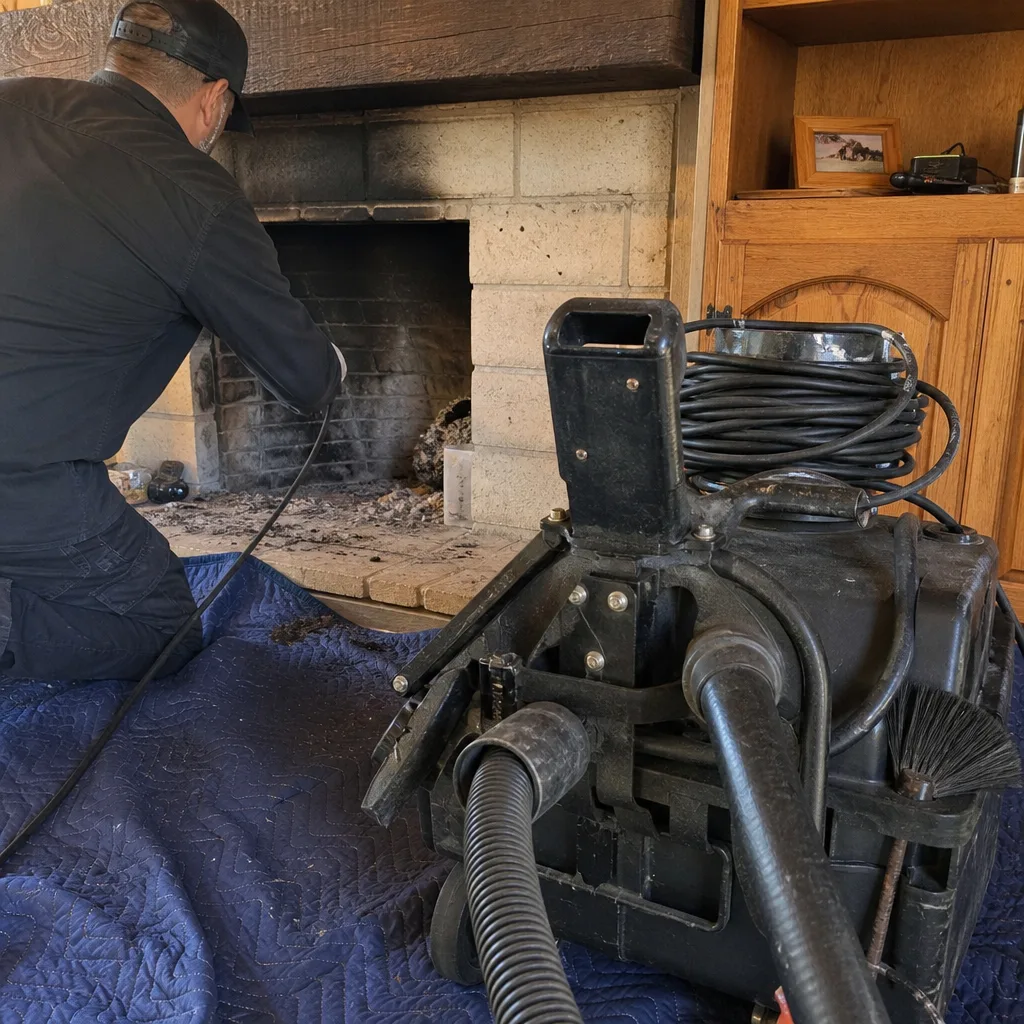 Before
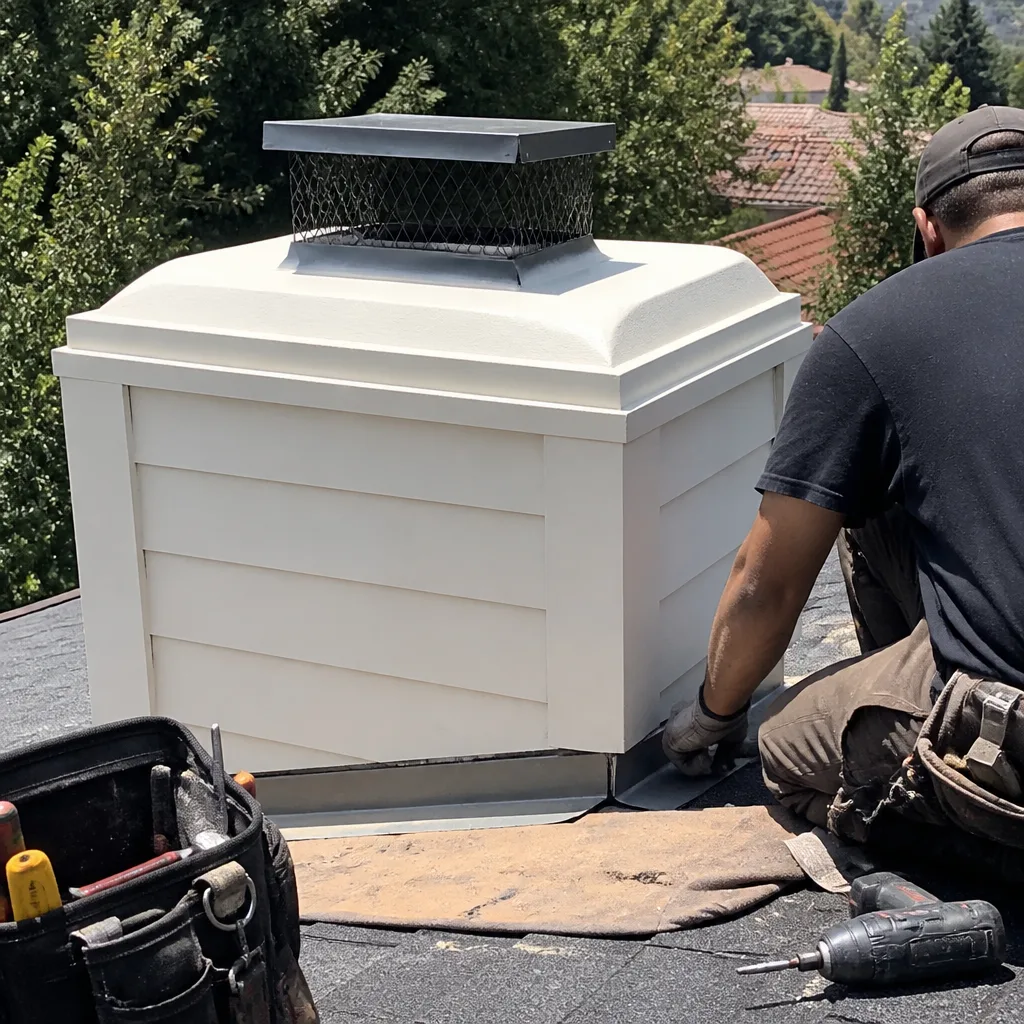 After
After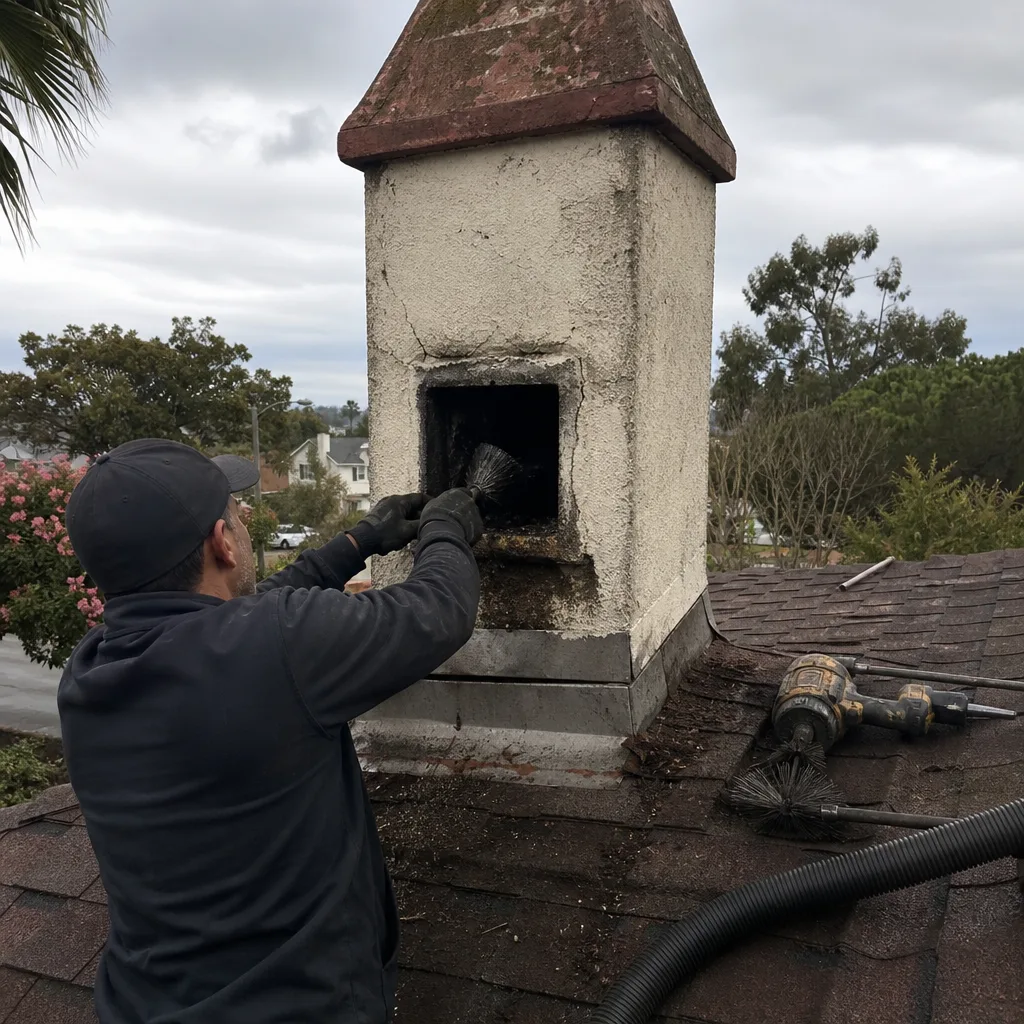 Before
 After
After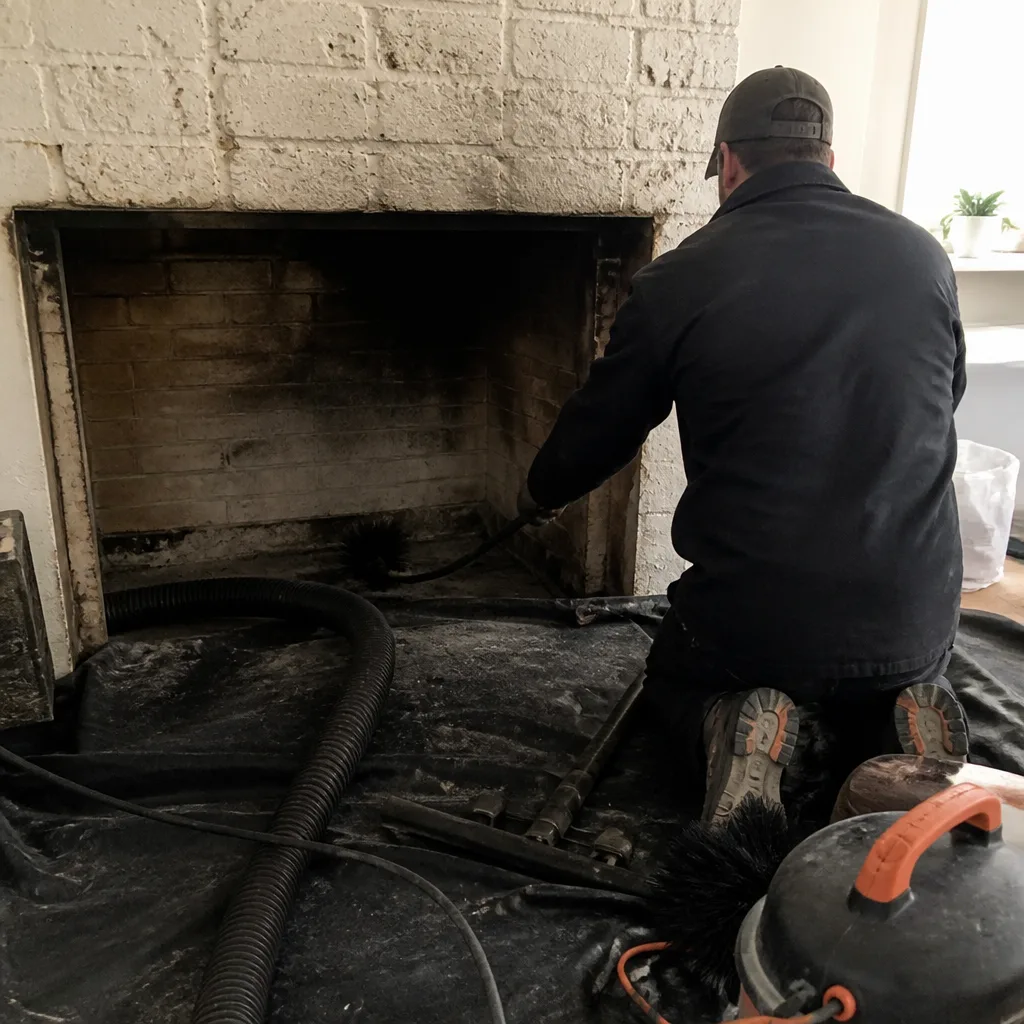 Before
 After
After