
Last updated October 15, 2026
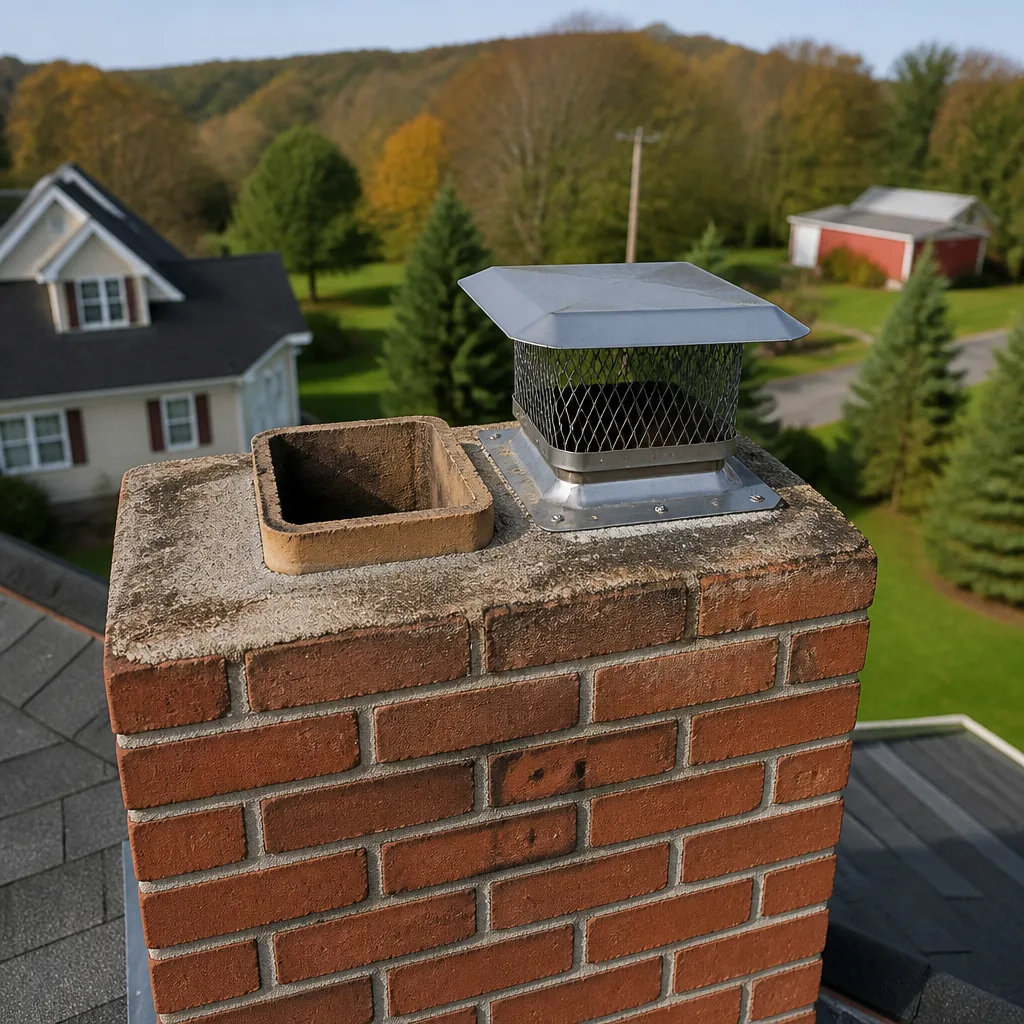 Sweep & inspection
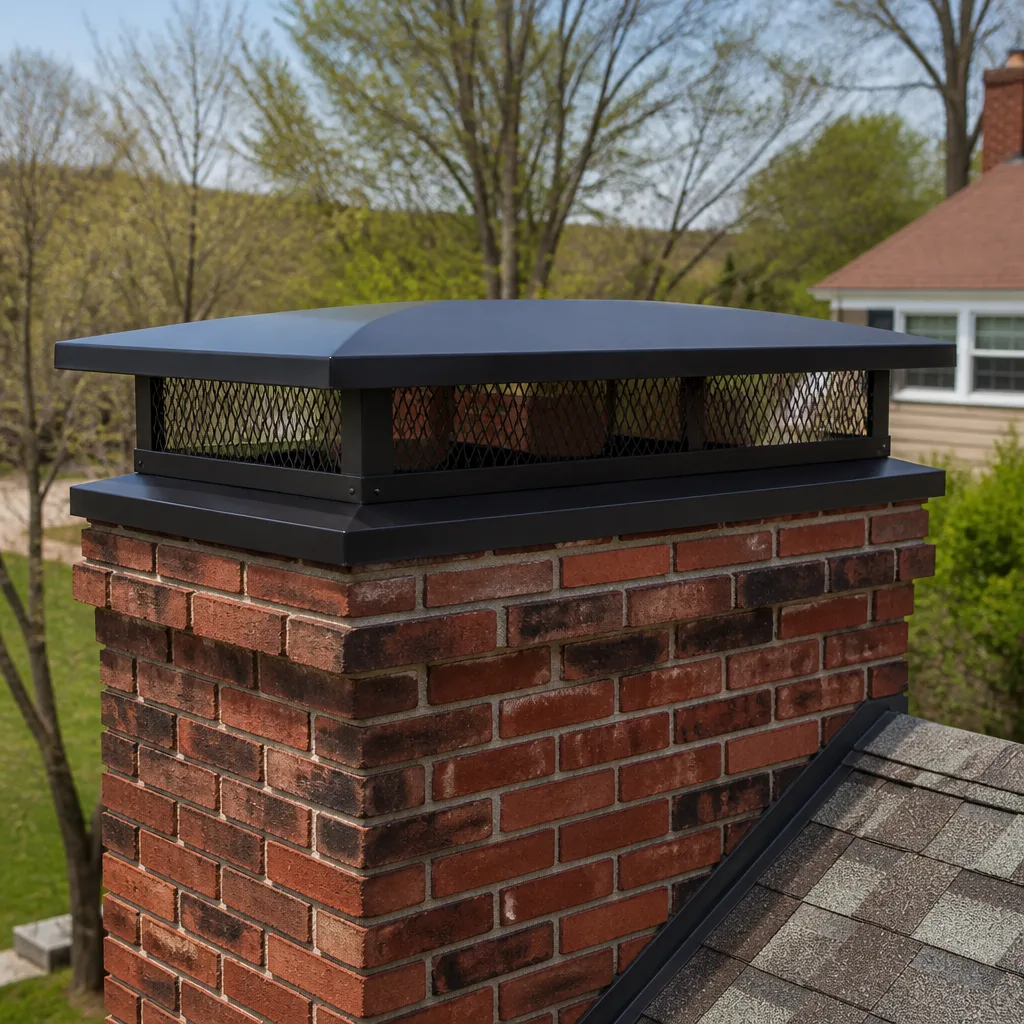 Caps & crowns
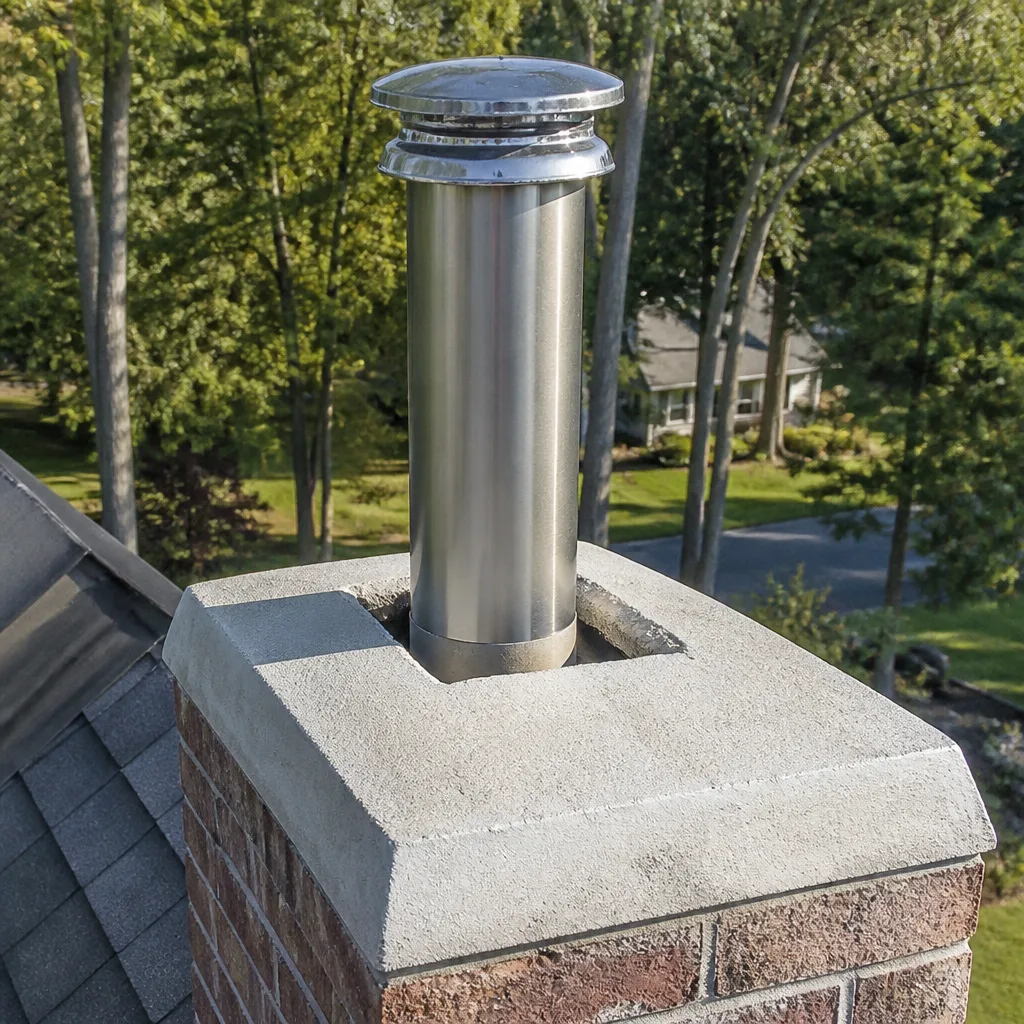 Flue relining
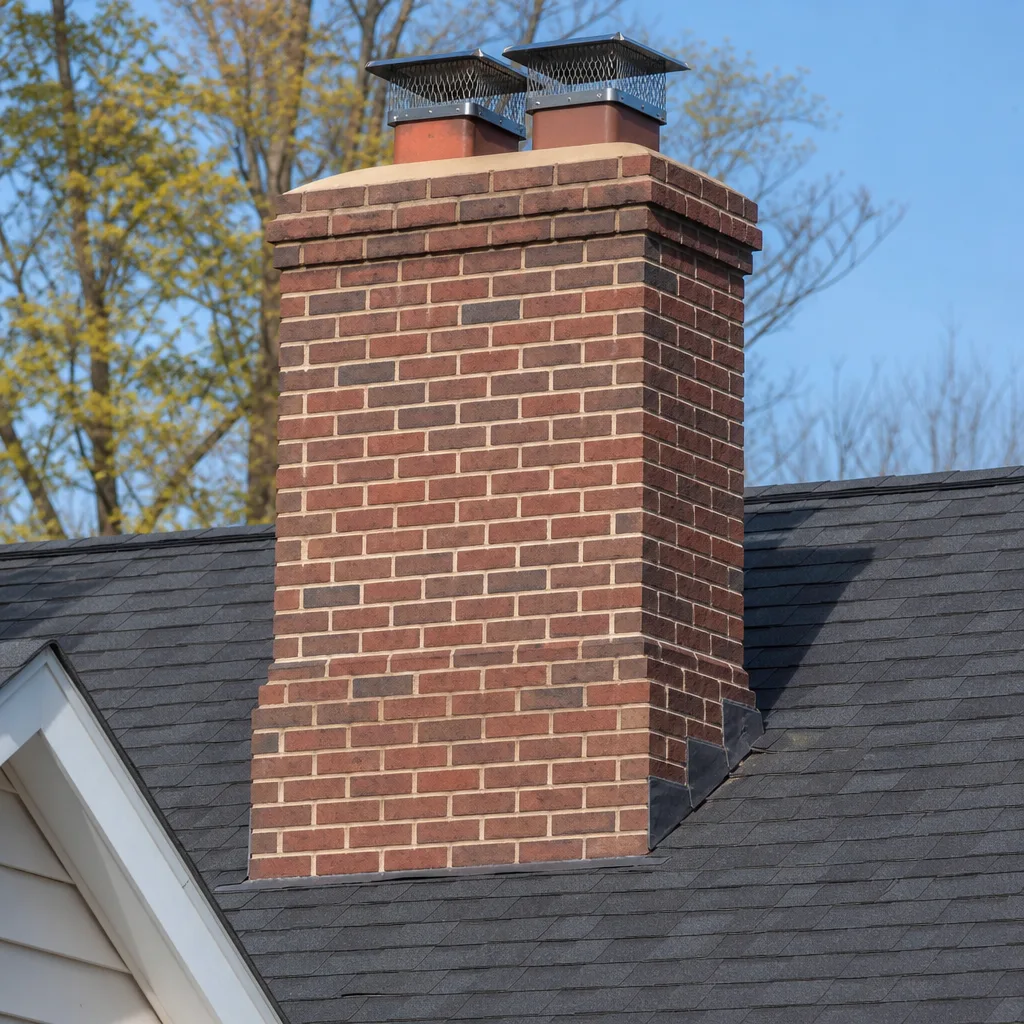 Masonry repair
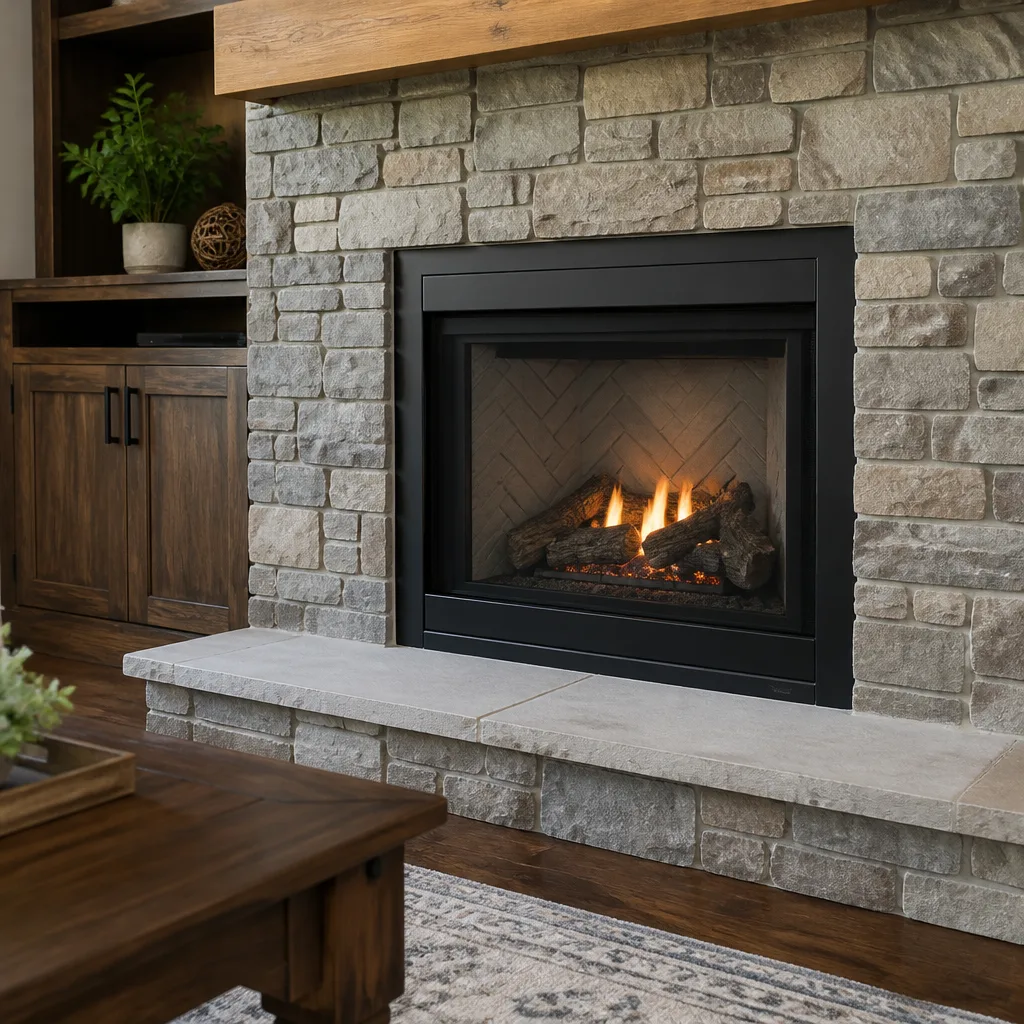 Gas fireplace service
Level 1 sweep and inspection to the NFPA 211 annual standard - flue, crown, cap, and flashing checked and photographed
Chimney sweep logs do not sweep chimneys. They loosen some creosote - which then falls where a brush and vacuum still have to collect it.
DIY vs Professional Chimney Cleaning: The San Diego Homeowner’s Decision Guide
Every year, somewhere in San Diego County, a homeowner stands in their living room holding a chimney brush they bought online, looks up at the firebox, and realizes they have no idea what they’re actually looking for. The brush wasn’t the expensive part. The expensive part is what they can’t see: a hairline crack in a clay flue tile, a separated liner joint, creosote glaze baked onto the smoke shelf. You can sweep the soot and still miss the thing that burns the house down. This guide exists-along with our more guides & resources-because the DIY-versus-professional question is usually framed wrong. It’s not about whether you can clean a chimney. It’s about whether you can inspect one, and that distinction is where the real decision lives in San Diego.
Styles & brands we work with
Quick Answer
DIY chimney cleaning in San Diego is reasonable for light surface soot removal, firebox brushing, and visible damper maintenance if you understand the limits. But a professional chimney sweep includes a Level 1 or Level 2 inspection that catches cracks, blockages, and clearance problems no homeowner can see from the firebox floor. In San Diego, where coastal moisture accelerates masonry wear and wildfire season makes chimney sparks a genuine public-safety issue, the inspection is the part you’re actually paying for. The honest answer: do the light cleaning yourself if you’re comfortable on a roof, but pay for a professional inspection every year or two regardless.
Table of Contents
- What DIY Chimney Cleaning Can Actually Accomplish
- The Inspection Gap: What You Can’t See From the Firebox Floor
- How San Diego’s Climate Makes Chimneys Different
- The Real Cost Comparison: DIY vs Professional in San Diego (2026 Numbers)
- The Insurance Reality: What Your Policy Actually Says About Chimney Fires
- The One Scenario Where DIY Is Genuinely the Right Call
- The Two Scenarios Where DIY Is the Most Expensive Mistake
- Common Mistakes to Avoid
- When to Call a Professional
- Frequently Asked Questions
- The Bottom Line
What DIY Chimney Cleaning Can Actually Accomplish
Let’s be fair to the do-it-yourself crowd before we tell you where the line is. There are chimney maintenance tasks a competent San Diego homeowner can absolutely handle without calling us, and pretending otherwise would be dishonest. We’d rather you know what’s safe to do yourself because the homeowner who understands their chimney is the homeowner who catches problems early, whether they call us or not.
Here’s what’s genuinely low-risk for a capable DIYer:
- Smoke shelf vacuuming: The smoke shelf is the flat area just behind and above the damper. You can reach it from inside the firebox with a shop vac and a flexible hose. This is where loose soot and small debris collect, and cleaning it is straightforward. Use a HEPA filter on the vac because you don’t want fine ash blowing back into your living room.
- Firebox brushing: The firebox is the chamber where the fire burns. Visible soot on the firebox walls and floor is cosmetic and easy to brush off with a stiff wire brush. Wear an N95 mask and lay down a drop cloth over the hearth and surrounding floor. Ash gets airborne fast.
- Visible damper inspection: Open the damper fully and look at the metal plate. Is it rusted through? Does it open and close smoothly? Can you see daylight (or feel a draft) when it’s closed? A sticking damper is often just creosote buildup on the hinges, and a wire brush plus some high-temp lubricant can fix it. If the damper is warped or the frame is cracked, that’s a repair call, not a cleaning call.
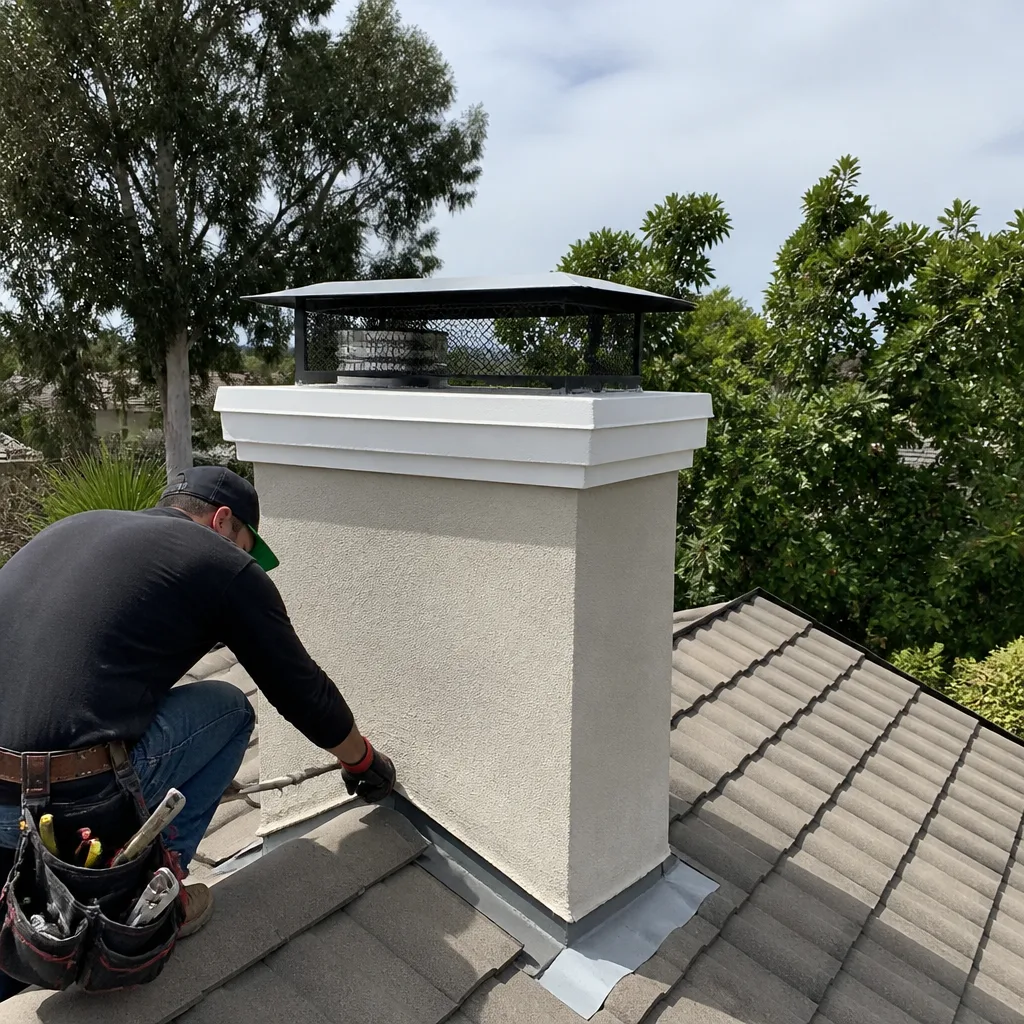
- Cap and screen clearing from the roof: If you’re already comfortable on a ladder and your roof pitch is walkable, you can remove leaves, bird nests, and debris from the chimney cap and spark arrestor screen. This is especially relevant in San Diego neighborhoods with mature eucalyptus and pine trees, like Point Loma, La Mesa, and El Cajon, where wind-blown debris clogs caps quickly.
These four tasks cover maybe 20% of what a professional sweep does. They address the visible, reachable, low-consequence parts of the system. Nothing on this list requires specialized equipment, and nothing on this list puts you inside the flue itself. The moment you start talking about the flue interior, the conversation changes.
The Inspection Gap: What You Can’t See From the Firebox Floor
The flue liner is the clay tile or steel tube that runs from the top of the firebox to the top of the chimney. It carries hot combustion gases and sparks up and out. If the liner is intact, the system works. If the liner is cracked, separated, or missing sections, those hot gases and sparks can reach combustible framing, and that is how chimney fires start.
Here’s the problem: you cannot assess flue liner condition without professional equipment. A flashlight from the firebox floor shows you maybe the first few feet of liner, and only on the visible face. A crack on the back side of a clay tile, a separated mortar joint, a buckled steel liner section, or creosote glaze accumulation in the upper third of the flue is invisible from below. Even from the roof, looking straight down, you’re seeing a foreshortened view that hides most defects.
A professional chimney inspection in San Diego includes components a homeowner simply cannot replicate:
- Video scanning: A camera on a flexible cable is run the full length of the flue, recording every inch of the liner surface. This catches hairline cracks, spalled tiles, and separated joints that a visual inspection misses. At Ashby Chimney San Diego, we don’t recommend a liner replacement without showing you the video. You should never take anyone’s word for an expensive repair you can’t see.
- Draft measurement: A draft gauge measures the actual pressure differential inside the flue while the system is operating (or simulated). Poor draft is why some San Diego fireplaces smoke back into the room even when the flue looks clean. Draft problems have structural causes: liner sizing, height-to-width ratio, negative house pressure from HVAC systems. A brush can’t fix that.
- Liner integrity assessment: This goes beyond what the camera sees. A professional checks for missing mortar between clay tiles, measures remaining wall thickness on steel liners, and identifies the specific failure mode (thermal shock cracking, moisture absorption, acid attack from gas appliance venting). Each failure mode has a different fix, and the wrong fix is wasted money.
- Clearance verification: Building code requires specific clearances between the flue and combustible framing. When chimneys were built in the 1960s and 70s in neighborhoods like Clairemont, Allied Gardens, and Linda Vista, builders didn’t always follow modern clearance standards. We find missing firestops, uninsulated chase cavities, and framing members within an inch of flue tiles more often than most homeowners would believe.
The inspection is the product. The cleaning is the opportunity to see. That’s the reframe we want every San Diego homeowner to understand before they decide between DIY and professional service.
How San Diego’s Climate Makes Chimneys Different
San Diego doesn’t have the freeze-thaw cycles that destroy chimneys in the Midwest, and that leads to a false sense of security. Our climate is mild, yes, but the specific failure modes here are different, not fewer. We see patterns in San Diego County that homeowners should know about.
Coastal moisture is the big one. Homes in Ocean Beach, Pacific Beach, La Jolla, and Coronado sit in marine-layer humidity for large parts of the year. Clay flue tiles are porous, and when they absorb moisture, any subsequent heating cycle causes them to expand. Repeated moisture absorption and drying creates spalling: the flaking and cracking of clay tile surfaces. A chimney that looks fine from the outside can have spalled liner tiles throughout, and spalled tiles are exactly the kind of damage a video scan catches and a brush misses.
Wildfire season is the other San Diego-specific factor. From May through November, ember-driven ignition is a real concern in the canyons and foothill communities: Rancho Santa Fe, Poway, Ramona, Jamul, Alpine, and anywhere adjacent to open chaparral. A chimney without a properly maintained spark arrestor screen can discharge embers onto your own roof or your neighbor’s. In high-fire-risk zones, homeowners insurance carriers are increasingly asking for documentation that the chimney has been inspected and the spark arrestor is intact. This is not academic. We’ve had customers in Scripps Ranch and Tierrasanta tell us their carrier required a professional inspection before renewing a policy.
Finally, San Diego’s older housing stock has a lot of original masonry chimneys. Mid-century homes in Mission Hills, North Park, Normal Heights, and Kensington were built with chimneys meant for wood fires decades ago. Many have never been relined. The mortar joints between clay tiles deteriorate over decades of heating and cooling, and the gaps let heat and gases reach places they shouldn’t. A home built in 1962 with its original liner is a system that has exceeded its design life. That’s not alarmist. That’s materials science.
The Real Cost Comparison: DIY vs Professional in San Diego (2026 Numbers)
Let’s put actual dollars on this so the decision is concrete. These are 2026 San Diego County market numbers based on our own pricing and what we see from competitors in the region. Your exact cost will vary by chimney height, liner type, and access difficulty, but this gives you the honest range.
DIY Cleaning: What It Really Costs
- The brush kit: A basic poly brush with rod sections runs $60 to $120 on Amazon or at a local hardware store. A rotary cleaning system that attaches to a drill is $150 to $350, and that’s what most serious DIYers end up buying because hand-rodding from the roof is physically demanding.
- The ladder: If you don’t already own an extension ladder tall enough to safely reach your roof, that’s $200 to $400. Don’t use a step stool. Don’t climb from a balcony. The ladder is the single most dangerous part of this entire conversation.
- Safety gear: N95 masks, goggles, drop cloths, gloves, and a proper dust containment setup run $40 to $80. If you’re cleaning from the roof, add a fall-arrest harness if your roof pitch is steeper than 4:12, which runs $100 to $150.
- Time: A first-time DIY chimney cleaning takes four to six hours including setup, cleaning, breakdown, and cleanup. If you value your time at even $40 an hour, that’s $160 to $240 in labor you’re donating to the project.
- The inspection you still need: Here’s the part most DIY cost analyses skip. After you clean the chimney yourself, you have not inspected it. A Level 1 professional inspection in San Diego runs $150 to $275 on its own. If you’re serious about safety, you’re paying for that regardless.
DIY total, honest math: $350 to $875 when you include the inspection you should still get. And that’s assuming you don’t drop a brush down the flue, damage a tile, or fall off a roof.
Professional Sweep and Inspection Bundled
In the San Diego market, a combined chimney sweeping and Level 1 inspection from a reputable company runs $250 to $450 for a standard single-flue masonry chimney with average access. Gas fireplace chimneys and prefabricated units run on the lower end. Two-story homes with steep roof pitches and difficult cap access run on the higher end. A Level 2 inspection (the one required when buying or selling a home, or after a chimney fire, or when installing a new appliance) runs $325 to $550.
At Ashby Chimney San Diego, a chimney sweep includes the inspection and a written report with photos, not just a brush through the flue. Most professionally-run sweeps in the county now include some form of camera verification because homeowners have learned to ask for it.
Here’s the comparison in a table for clarity:
- DIY cleaning + separate professional inspection: $350 to $875, 6-8 hours of your time, and you still didn’t see the inside of your flue.
- Professional sweep + inspection bundled: $250 to $450, 60-90 minutes, and you get video, draft measurement, and a written condition report.
The DIY route is not cheaper when you account for the inspection you should get anyway. That’s the math most guides won’t show you.
The Insurance Reality: What Your Policy Actually Says About Chimney Fires
Standard homeowners insurance policies in California cover fire losses, including chimney fires, subject to your deductible and the specific cause of the fire. What many San Diego homeowners don’t realize is that the adjuster’s first question after a chimney fire is almost always the same: when was the last time this chimney was professionally inspected and cleaned?
If the answer is “never” or “I cleaned it myself last year,” you may be in a coverage fight. Here’s the relevant language: most policies require the homeowner to take “reasonable care” to maintain the property and prevent foreseeable damage. Creosote accumulation is a foreseeable, preventable condition. A chimney fire traced to a creosote ignition in a flue that hasn’t been professionally maintained in years gives the carrier grounds to argue negligence. We’ve heard from customers after the fact, and the pattern is consistent: homeowners who can produce professional inspection records from within the prior 12 to 24 months have a much smoother claims process than those who can’t.
This isn’t about scaring you into a service call. It’s about knowing the rules before you need them. If you DIY your cleaning, keep a written log with dates. If you’ve had a professional inspection, keep the report. In a fire-loss situation, documentation is the difference between a covered claim and a denied one.
Separately, if you live in a high-fire-risk zone (CalFire’s Fire Hazard Severity Zone maps cover much of inland San Diego County), your insurance carrier may require proof of chimney maintenance as a condition of policy renewal. This has been happening with increasing frequency since the 2017 and 2020 wildfire seasons. Underwriting guidelines changed. A chimney without a clean inspection history is now an underwriting concern in certain ZIP codes.
The One Scenario Where DIY Is Genuinely the Right Call
We’re going to tell you when you shouldn’t hire us, because an honest guide does that. Here’s the scenario: you have a well-maintained chimney with a documented professional inspection within the last 12 months, no reported defects, and no operational changes since that inspection. You use your fireplace occasionally, maybe 20 to 30 fires per winter season in San Diego, which is a fraction of what a chimney in a colder climate sees. Light soot and ash have accumulated on the smoke shelf and firebox floor.
In that situation, vacuuming the smoke shelf, brushing the firebox, and checking the visible damper is genuinely fine. Do it once a season. Your next professional inspection will catch anything the casual cleaning misses, and because you’ve been on a 12-month inspection cycle, the risk window is small. This is responsible chimney maintenance. It’s what we’d tell a neighbor.
The key qualifier is “documented professional inspection within the last 12 months with no reported defects.” Take that qualifier away and the risk profile changes entirely.
The Two Scenarios Where DIY Is the Most Expensive Mistake
There are two situations where a DIY cleaning approach actively costs you more money than calling a professional from the start.
Scenario one: you haven’t had a professional inspection in two or more years. You don’t know the condition of your liner. You don’t know if there’s a cracked tile, a deteriorating mortar joint, or creosote glaze that needs mechanical removal. You clean the visible surfaces, everything looks fine, and you build a fire. That fire heats the damaged liner, hot gases reach the crack, and now you’re dealing with either a slow thermal transfer into framing or a full chimney fire. The repair after that is never cheaper than an inspection would have been. Liner replacements in San Diego run $3,000 to $8,000 depending on the system type and whether a stainless liner like a DuraFlex product is installed. A chimney fire that spreads to framing is a structural repair and an insurance claim. That’s the expensive version of saving $250.
Scenario two: you’re selling a home in San Diego, and the buyer’s inspection report flags the chimney. California real estate transactions routinely include chimney inspections now, especially with gas appliances and older masonry systems. If issues are found during escrow, you’re negotiating under time pressure with a buyer who holds the leverage. The repair costs the same or more, and it’s happening on the buyer’s timeline, not yours. Sellers who address chimney issues before listing, with documented professional inspections, close with less friction. Sellers who wait for the buyer’s inspector to find the problems lose money, either in the repair negotiation or in the sale price. This is a well-known dynamic among San Diego real estate agents, and it’s why so many listing agents recommend a pre-listing fireplace repair assessment.
Both scenarios share a pattern: deferring the professional inspection doesn’t prevent the professional cost. It just moves the cost to a worse moment.
Common Mistakes to Avoid
- Using a wire brush on a stainless steel liner: Steel brushes damage stainless. If you have a steel liner (common in San Diego homes that converted from wood to gas), only poly brushes or professional-grade rotary systems should touch it. The wrong brush scratches the surface and accelerates creosote adhesion.
- Cleaning from the roof without a spotter: Falling from a roof while carrying a chimney brush is a statistically real injury pattern. San Diego’s tile roofs in particular are slippery and fragile. Never work on a roof alone, and never on a wet roof.
- Skipping the drop cloth: Creosote dust is sticky, black, and almost impossible to get out of carpet and upholstery. The 30 seconds it takes to lay a cloth over your hearth and floor saves hours of cleaning and possibly a carpet replacement.
- Assuming a clean firebox means a clean flue: The firebox looks dirty first because that’s where the fire burns. But creosote concentrates in the upper flue where temperatures drop and gases condense. A clean firebox says almost nothing about the flue condition.
- Burning pine and expecting no creosote: Softwoods burn hot and fast, but San Diego’s coastal humidity plus occasional pine burning (common from store-bought bundles) produces creosote conditions faster than homeowners expect. If you burn anything other than fully-seasoned hardwood, expect more frequent cleaning needs.
- Ignoring visible white staining on exterior brick: White powdery deposits (efflorescence) on the chimney exterior mean moisture is moving through the masonry. In San Diego’s coastal zones, that moisture is infiltrating the flue system and degrading the liner. It’s a warning sign an inspection should evaluate.
- Putting off a Level 2 inspection because “the fireplace works fine”: A fireplace that works fine can still have a liner crack, a bad mortar joint, or a clearance problem. These issues are silent until they’re not. The system working is not evidence that the system is safe.
When to Call a Professional
Call a professional when any of these apply: you haven’t had a documented professional inspection in 24 months or more; you just bought a home and don’t have inspection records from the seller; you’re selling and want to avoid escrow surprises; you’ve had a chimney fire, even a small one; you notice white staining, cracked mortar, or spalling brick on the exterior; you smell smoke in the house when the fireplace isn’t in use; or you want a repair recommendation based on camera evidence rather than someone’s word.
Ashby Chimney San Diego offers free estimates in San Diego and the surrounding county. We show you the video before we recommend anything. If the chimney doesn’t need work, we tell you that. Call (619) 693-1499 and talk to a real person, day or night.
Frequently Asked Questions
A combined chimney sweep and Level 1 inspection in San Diego typically runs $250 to $450 for a standard single-flue masonry chimney, with gas fireplace chimneys on the lower end and two-story homes with steep roof access on the higher end. Level 2 inspections, needed for real estate transactions and post-fire assessments, run $325 to $550. Get a written price before any work starts so the invoice matches the quote. Call (619) 693-1499 for an exact quote in your neighborhood.
Yes, because cleaning removes buildup but does not evaluate liner integrity, draft performance, or clearance compliance. The inspection is the safety component, and it requires video scanning and measurement equipment that a homeowner cannot replicate. Think of it this way: brushing your teeth doesn’t replace a dental X-ray, and sweeping your firebox doesn’t replace a flue inspection.
The National Fire Protection Association standard is to have a chimney inspected at least once a year and swept whenever creosote buildup reaches 1/8 inch or more. In San Diego’s milder climate, most homeowners who burn seasoned hardwood 20 to 40 times a season need a sweep every one to two years. Homes in coastal zones with higher humidity may need more frequent attention due to moisture absorption in the masonry, as covered in our Seasonal Chimney Cleaning Care for San Diego: Year-Round Homeowner’s Guide.
Creosote accumulates in the flue, hardens into a glaze over time, and becomes fuel for a chimney fire that can reach 2,000 degrees Fahrenheit. That heat cracks clay liners, melts mortar, and can ignite framing. Even without a fire, neglected liners leak gases into the house, which is a carbon monoxide risk. The maintenance you skip now becomes the repair you pay for later, and the repair is always more than the sweep would have been.
Consumer-grade inspection cameras that attach to a phone can show you the flue interior, but the operator interpretation is the weak point. A homeowner sees a dark line and doesn’t know whether it’s a harmless scratch or a structural crack. Professionals see hundreds of liners per year and know the difference between cosmetic staining, spalling, and separator joint failure. The tool isn’t the value. The trained eye behind the tool is.
Every repair from Ashby Chimney San Diego includes a written guarantee. If a covered repair fails within the guarantee period, we come back and fix it at no charge. That’s the 365-Day Done Right Promise, and it’s part of every job, not an add-on. We use professional-grade materials from established chimney-trade brands like Olympia Chimney and DuraFlex, so the repair is built to last in San Diego’s specific climate conditions.
The Bottom Line
The DIY versus professional chimney cleaning decision in San Diego comes down to a simple distinction: cleaning is visible, inspection is not. You can handle the firebox, the smoke shelf, the visible damper, and the cap clearing if you’re careful and your roof is walkable. You cannot handle flue liner assessment, video scanning, draft measurement, or clearance verification. Those require equipment and experience, and they’re the parts that actually keep your house from burning down. Pay for the inspection every year or two. Do the light cleaning yourself if it saves you a call and you’ve got recent inspection records. The homeowner who understands their chimney’s limits is the homeowner who never has to make a fire claim.
Written by Nathan Corliss, Owner at Ashby Chimney San Diego, serving San Diego since 2002.
See the difference
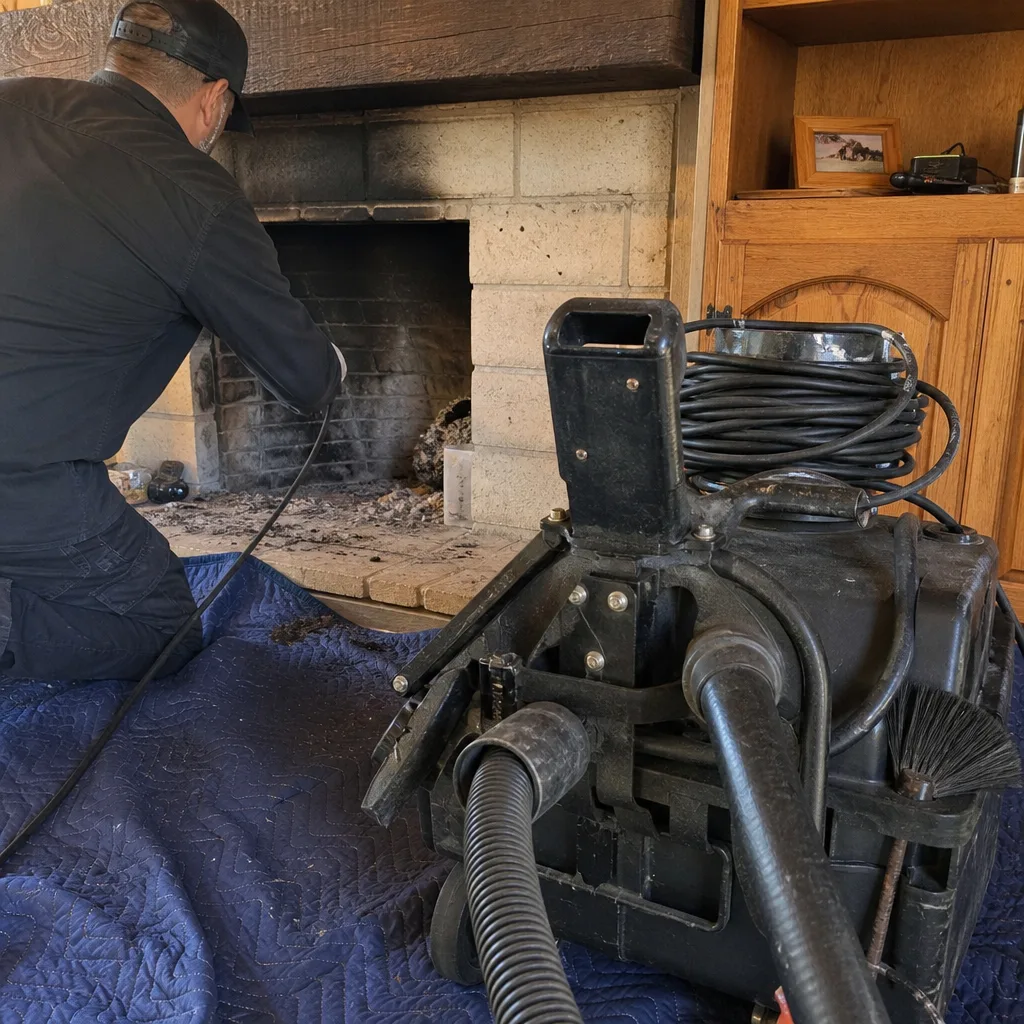 Before
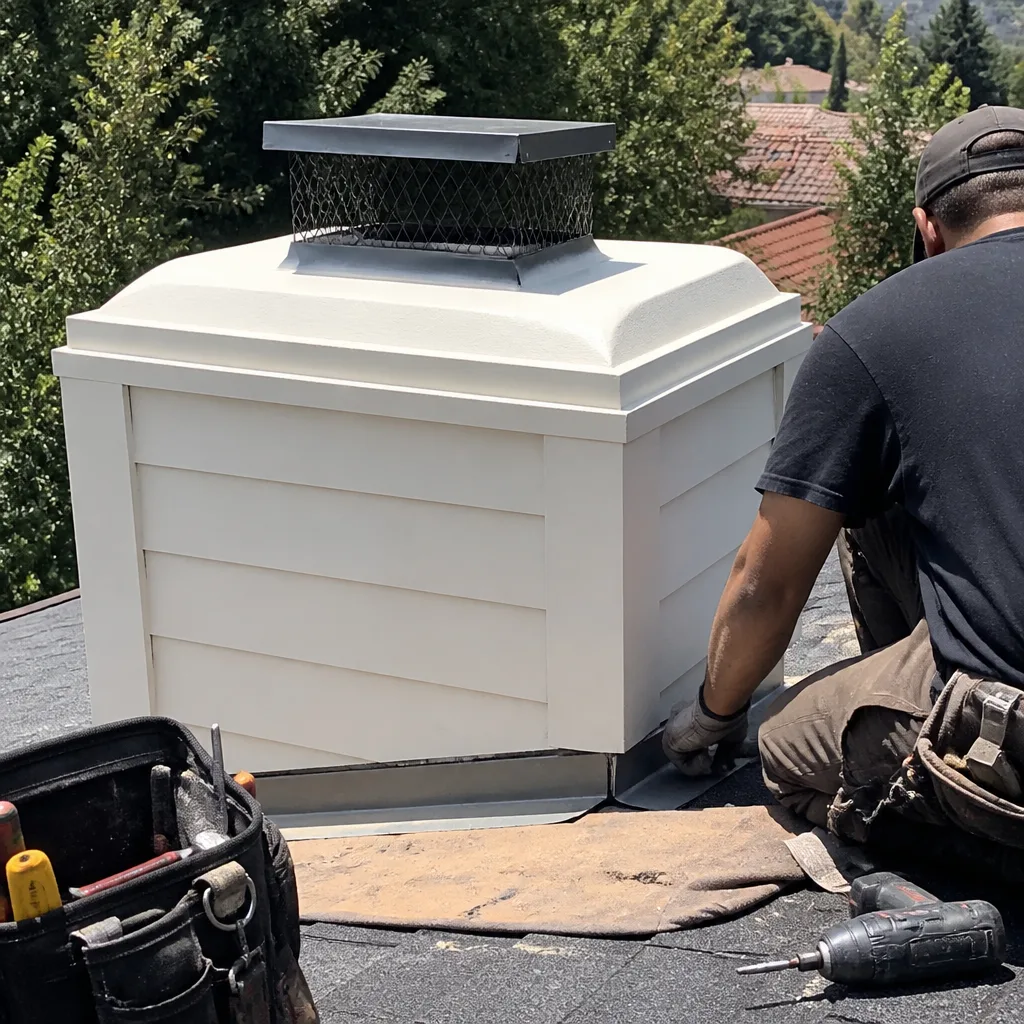 After
After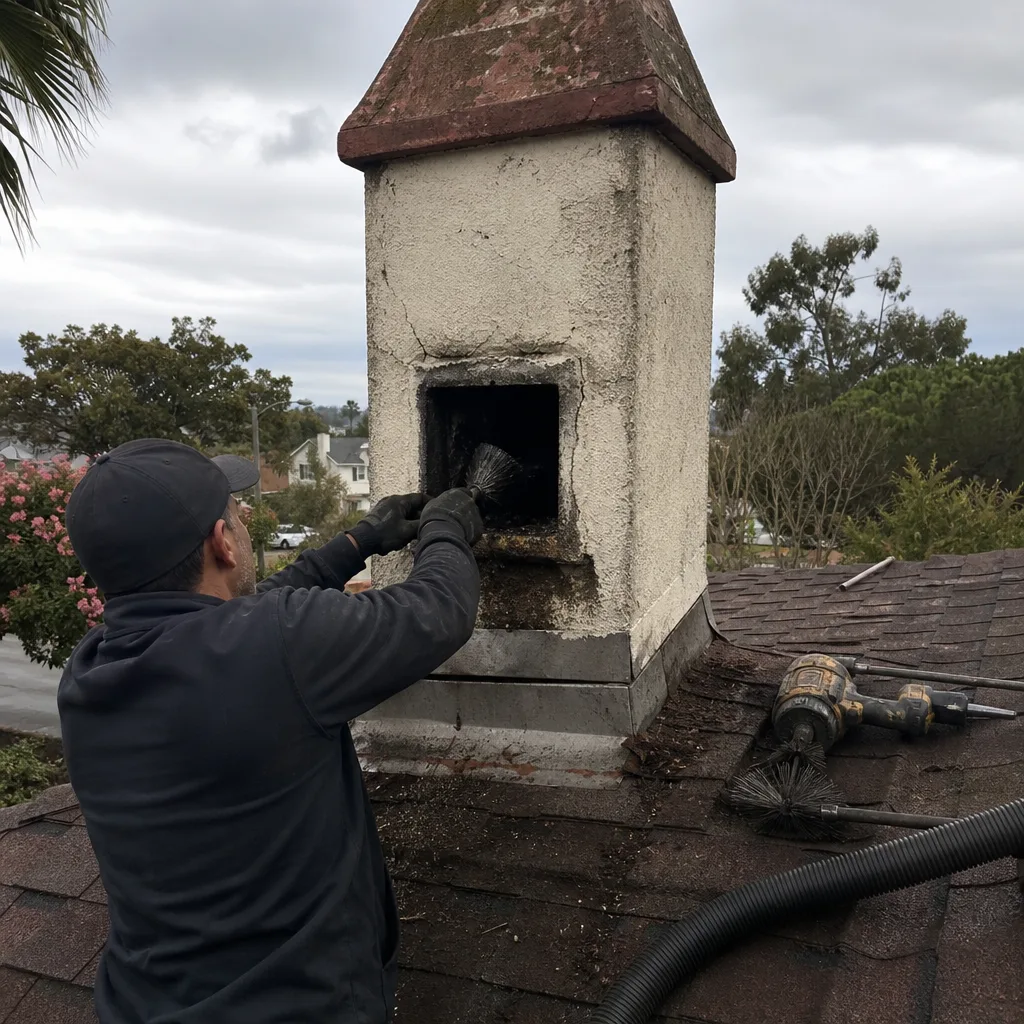 Before
 After
After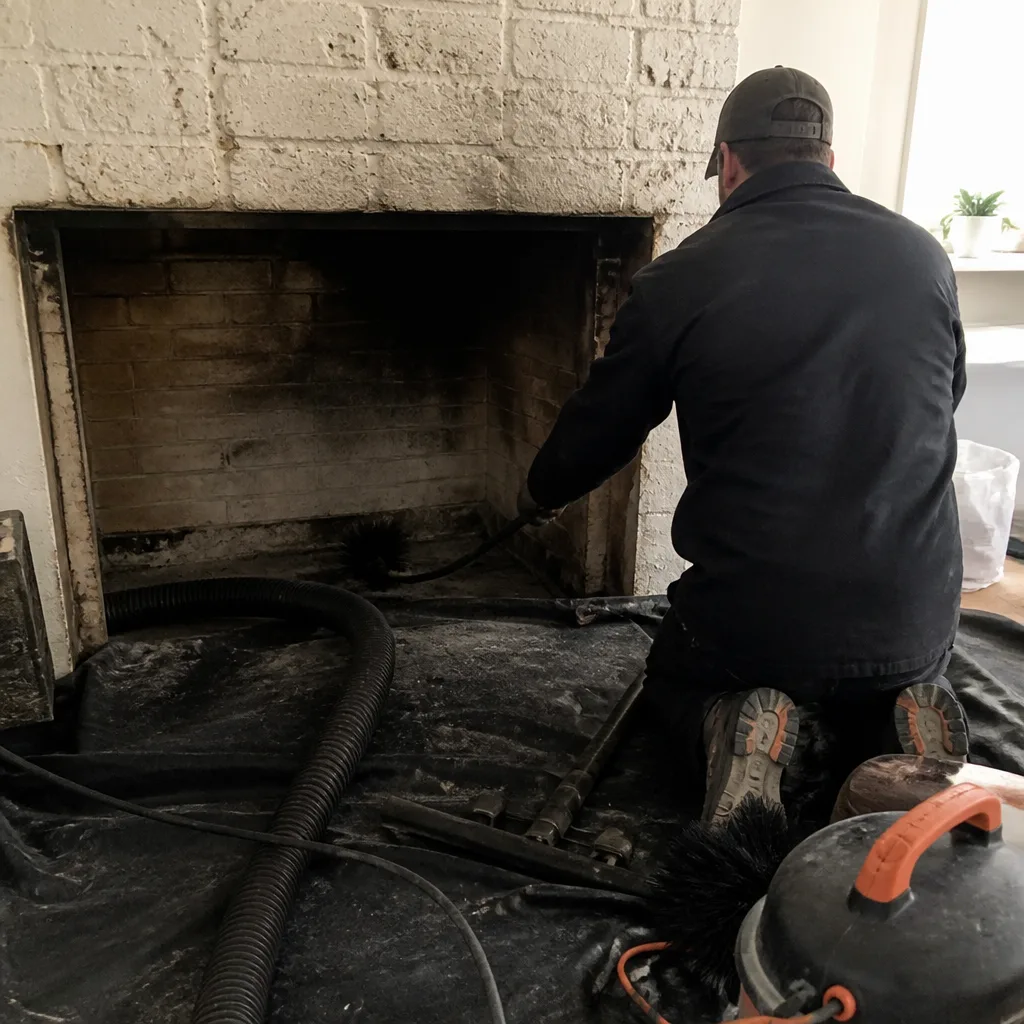 Before
 After
After