
Last updated October 15, 2026
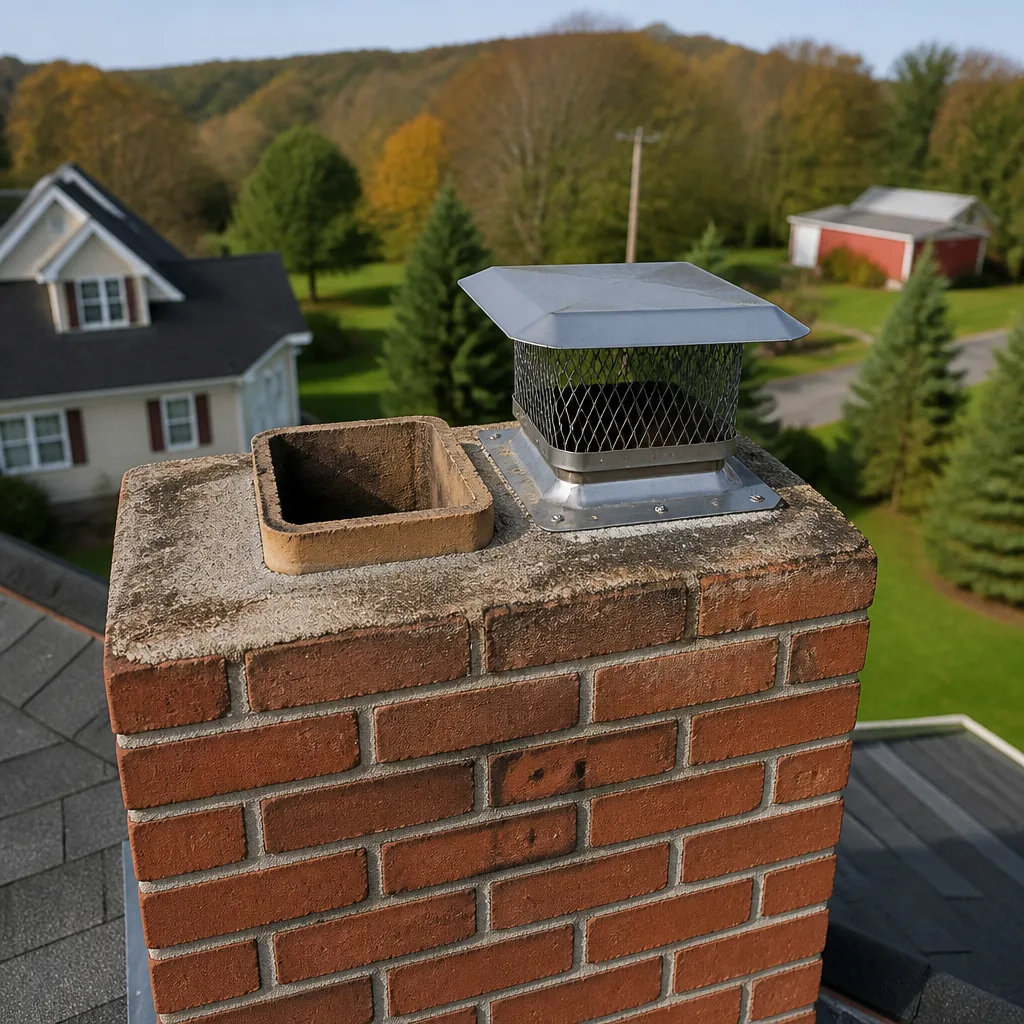 Sweep & inspection
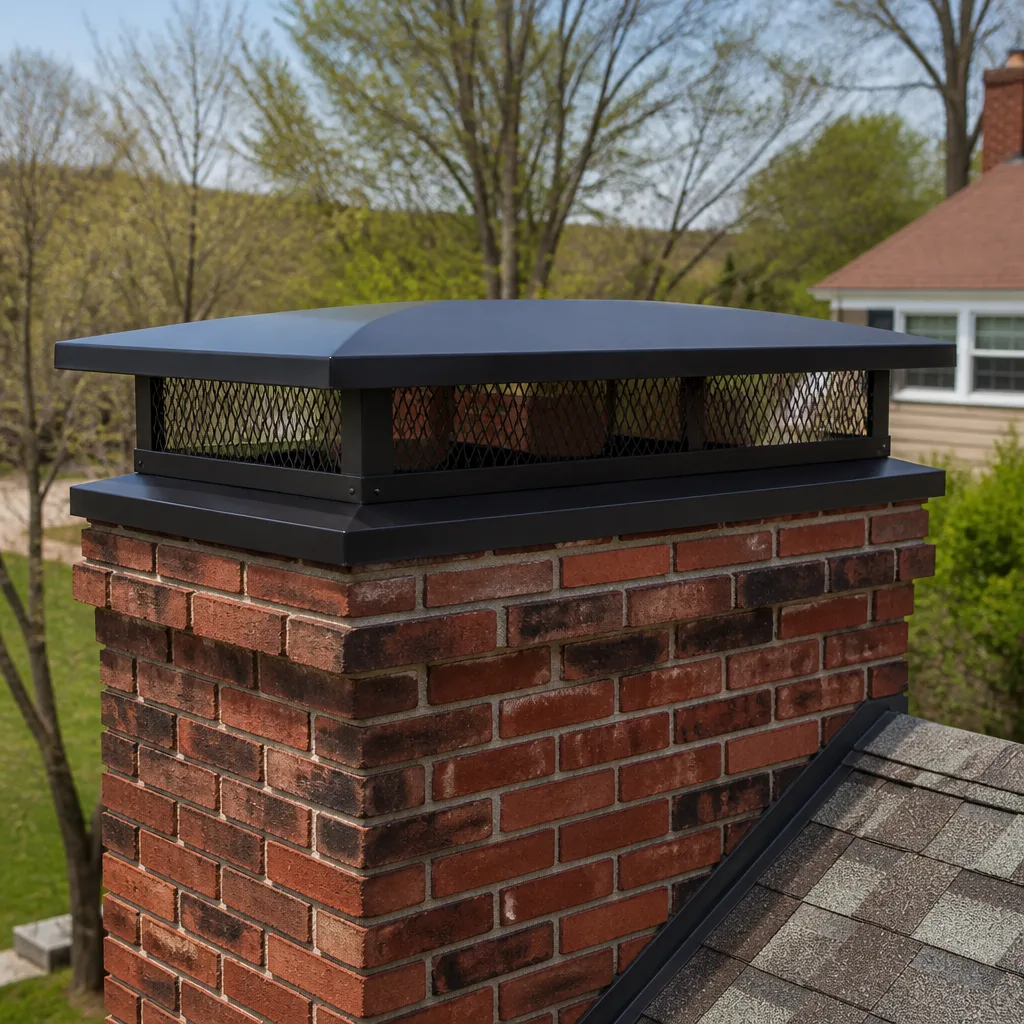 Caps & crowns
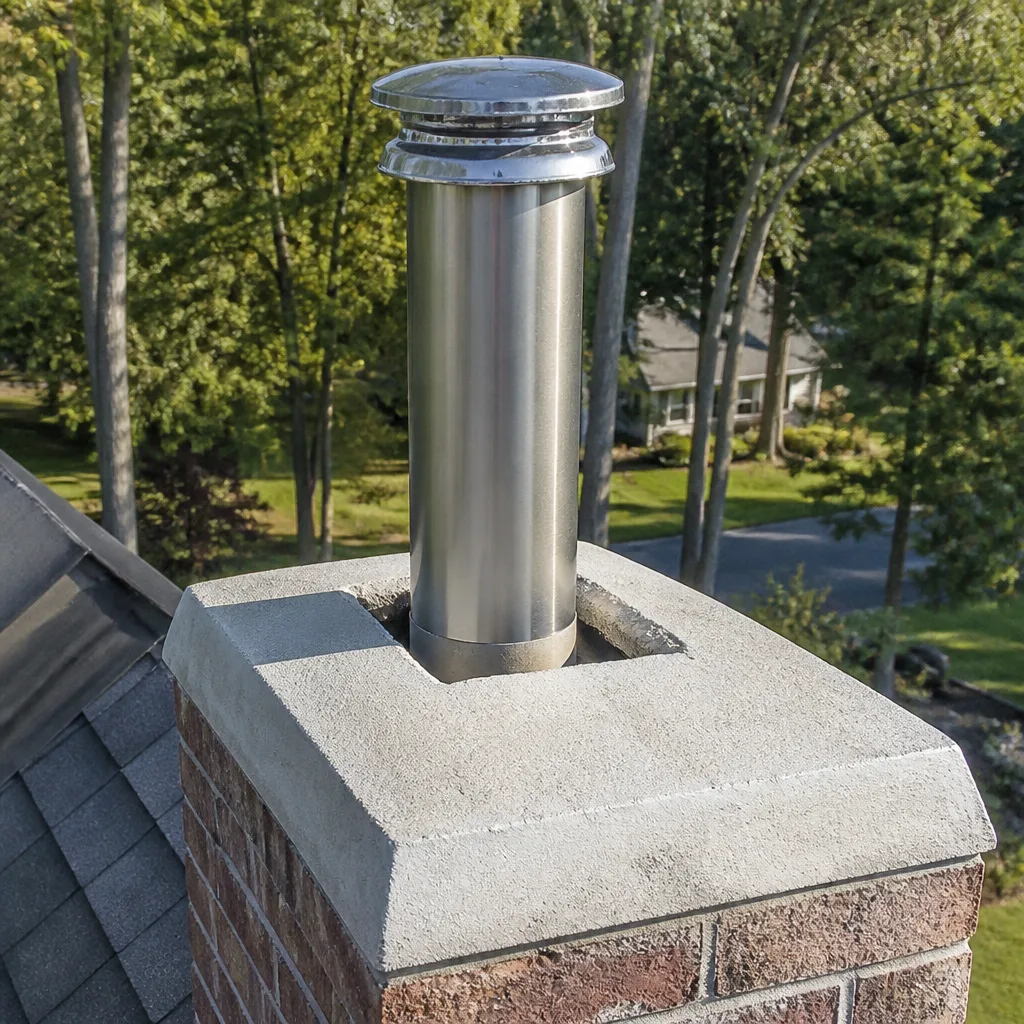 Flue relining
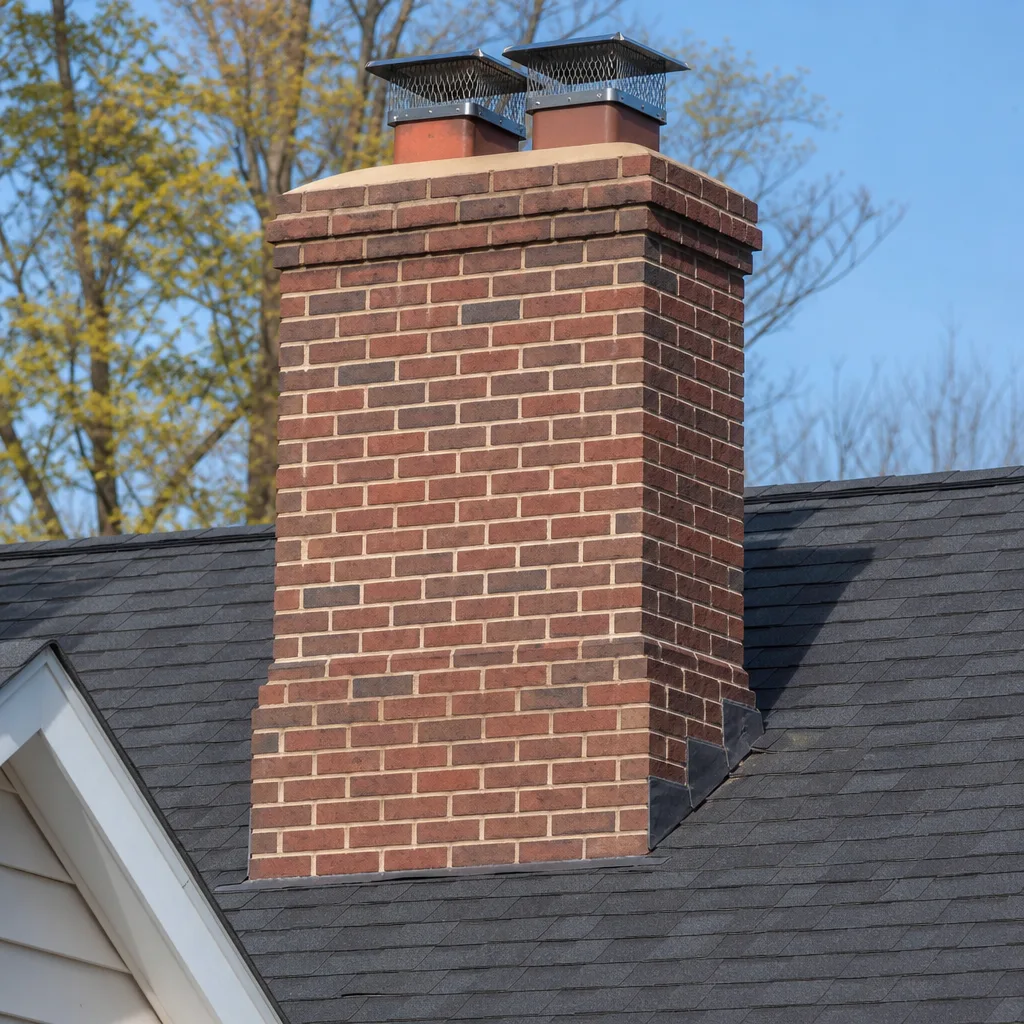 Masonry repair
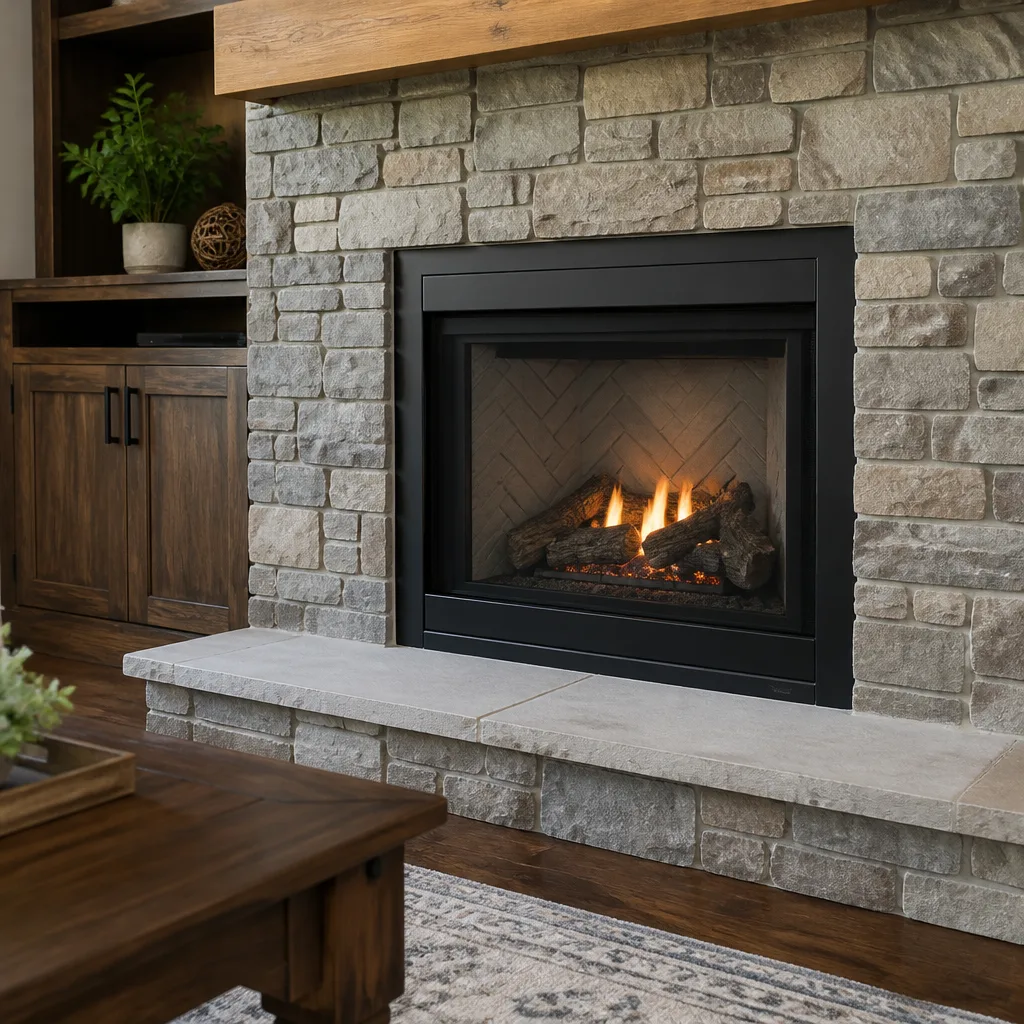 Gas fireplace service
Level 1 sweep and inspection to the NFPA 211 annual standard - flue, crown, cap, and flashing checked and photographed
Chimney sweep logs do not sweep chimneys. They loosen some creosote - which then falls where a brush and vacuum still have to collect it.
Seasonal Chimney Cleaning Care for San Diego: Year-Round Homeowner’s Guide
San Diego doesn’t follow the chimney playbook the rest of the country uses. We don’t get freezing winters, we don’t burn wood for six straight months, and our fireplaces sit dormant far more than they run. That dormancy creates its own set of problems: birds move in, mortar quietly erodes during rain months, and Santa Ana winds stress caps and crowns nobody’s looked at since last season. That’s why the worst time to discover your chimney has a problem in San Diego is the first cold night in November, when everyone lights their fireplace for the first time and every chimney company in the county is booked solid. This guide explains what actually happens to a chimney through San Diego’s real seasons, and when to address each issue before it becomes an emergency.
Quick Answer
In San Diego, chimney care works best when it follows our actual climate rhythm: clean and inspect in spring or early summer after fire season ends, check for rain damage after January and February storms, and handle repairs during the summer months when fireplaces sit unused and chimney companies have open schedules. Most San Diego homes need a professional sweep and inspection once per year, but the ideal timing is post-fire-season in May or June, not the crowded October rush. For more on what to watch for, see our Chimney Cleaning Warning Signs: A San Diego Homeowner’s Reference Guide.
Styles & brands we work with
Table of Contents
- San Diego’s Three Chimney Seasons (Not Four)
- Why a Post-Fire-Season Inspection in May or June Beats the October Rush
- How the December-March Rainy Season Accelerates Mortar Joint Erosion
- Santa Ana Winds: Draft Reversal, Cap Damage, and Ember Intrusion
- Why Summer Is the Best Time for Cleaning, Repair, and Cap Replacement
- Vaux’s Swifts and the Spring Nesting Window (March-August)
- A Month-by-Month Seasonal Chimney Care Checklist for San Diego
San Diego’s Three Chimney Seasons (Not Four)
Most chimney guides are written for Minnesota or Ohio, where the advice is simple: sweep before winter, burn all season, inspect in spring. San Diego has no winter in that sense. Our chimneys live through three distinct phases that map to our coastal desert climate, and each one stresses the system differently.
The first phase is fire season, roughly November through early March. This is when San Diego homeowners actually use their fireplaces, mostly on evenings when the marine layer rolls out and the temperature dips into the 40s and 50s. The second phase is rain season, which overlaps fire season from December through March but continues into April. This is when moisture works its way into cracks in the crown, mortar joints, and brick faces. The third phase is the long dormant stretch from roughly April through October, when most fireplaces in San Diego sit completely unused, and that dormancy is not harmless, because it’s exactly when animals nest, debris accumulates, and small problems have months to compound without anyone noticing.
Our team at Ashby Chimney San Diego has worked on chimneys in Mission Hills, Clairemont, La Mesa, and Chula Vista, and the pattern holds across every neighborhood. The fireplaces that get cleaned on a schedule matched to our actual climate need fewer major repairs than the ones that get the generic “sweep in October” treatment. It’s not a question of effort; it’s a question of timing.
Why a Post-Fire-Season Inspection in May or June Beats the October Rush
Most San Diego homeowners schedule chimney work in September and October, and it’s not hard to see why: the weather turns cool, people remember their fireplaces exist, and the entire chimney industry in Southern California hits its peak season at once. But a fall inspection has real downsides here, and a spring inspection solves most of them.
The core problem with a pre-season inspection in San Diego is that it happens after the most damaging months of the year. By October, your chimney has already endured the previous winter’s rain, any Santa Ana wind events from late summer and early fall, and a full summer of animal activity and debris accumulation. A fall inspection discovers all of that at once, right when every chimney company in the county is at maximum capacity. That means longer wait times, fewer scheduling options, and a real chance you’ll be told you need a repair in November that can’t be scheduled until December, if at all, because the crews are booked through the holidays.
A post-fire-season inspection in May or June flips that timeline. You get the chimney inspected after the burning season has ended but before the busy fall rush. Here’s the step-by-step logic:
- Burn-season damage is visible immediately. Creosote accumulation, flue liner wear, and any stress cracks from heat cycling are all present and detectable right after the last fire of the season.
- Rain-season damage hasn’t had months to hide. Any mortar erosion from January or February storms gets caught in May, not ignored through the summer.
- You can schedule repairs on your timeline. If the inspection finds work that needs doing, you’ve got June, July, August, and September to get it done, before the fall rush begins.
- You enter fire season with a clean, inspected system. When that first cold night hits in November, you light the fireplace and it just works.
We’ve seen this difference play out hundreds of times across San Diego. Homeowners who get spring inspections tend to light their first fire of the season without a second thought. Homeowners who wait for October often find themselves on a waiting list, or worse, burning a flue nobody has looked at since last winter because they couldn’t get an appointment in time. The Chimney Inspection in San Diego page explains what a full inspection covers, including the video scan we do on every visit so you can see the inside of your flue with your own eyes.
How the December-March Rainy Season Accelerates Mortar Joint Erosion
San Diego doesn’t get much rain, but what we do get falls almost entirely between December and March, and it falls hard when it comes. Coastal homes in Ocean Beach, Point Loma, and Pacific Beach take the brunt of it, but even inland neighborhoods like Santee and El Cajon get enough moisture to affect masonry chimneys.
Here’s the mechanism. The mortar joints between bricks and the concrete crown at the top of the chimney are porous, even when they’re in good condition. When rain hits those surfaces and temperatures drop at night, the water soaks in. San Diego rarely freezes, so we don’t get the dramatic freeze-thaw spalling that damages chimneys in colder climates, but we do get a slower, steadier process: water penetration weakens the bond between mortar and brick, and over repeated wet-dry cycles, the mortar starts to crumble and flake away. This is called erosion, and it’s the most common masonry problem we see in San Diego chimneys.
After heavy rain, you can do a basic check from the ground without getting on a ladder. Look for these signs:
- White staining on brick faces. This is efflorescence, a sign that water has moved through the masonry and left salt deposits behind.
- Dark patches that stay dark for days after rain. This indicates water absorption, which means the masonry is taking on moisture faster than it’s drying.
- Falling mortar crumbs at the base of the chimney. If you find small piles of sand-like material on the roof or around the chimney base, your joints are actively eroding.
- Displaced or cracked bricks. Once mortar joints fail, bricks can shift, and that’s a structural problem that needs attention quickly.
If you spot any of these signs, get the chimney inspected sooner rather than later. Minor repointing, which is the process of replacing deteriorated mortar, is a straightforward repair when caught early. Neglected mortar erosion eventually lets water into the chimney chase and can damage the flue liner itself, at which point you’re looking at Fireplace Repair in San Diego territory rather than simple maintenance.
Santa Ana Winds: Draft Reversal, Cap Damage, and Ember Intrusion
Santa Ana winds are a fact of life in San Diego, particularly in the fall but also during dry stretches throughout the year. These winds blow hot, dry air from the desert toward the coast, often at sustained speeds of 30 to 40 miles per hour with gusts that can exceed 60. They’re a major fire-weather driver for the region, and they affect chimneys in ways most homeowners never consider.
The most immediate effect is draft reversal. A chimney works because hot air rises and pulls combustion gases up and out of the flue. When Santa Ana winds hit the top of a chimney from certain angles, they can overcome that natural draft and push air back down the flue into the house. In practical terms, this means smoke backing up into your living room on a windy night, even when your fireplace is otherwise functioning correctly. The chimney isn’t broken; the wind conditions have temporarily overpowered the draft. But if it happens repeatedly, it’s worth checking whether your chimney cap is the right type for your roof line and whether the flue height is adequate for the local wind patterns.
Santa Ana winds also test your chimney cap and crown. These are the two components that protect the top of the chimney, and sustained high winds can loosen caps, crack crowns, and tear screens. A damaged cap is not a cosmetic problem: it’s the single most important barrier against ember intrusion during fire-weather conditions. If a red flag warning is active and embers are flying, a missing or damaged spark arrestor on your cap creates a direct path for an ember to enter the flue and potentially ignite accumulated creosote or debris.
There’s a third issue specific to San Diego fire weather. Santa Ana winds carry dust, ash, and fine debris, and that material accumulates on the chimney cap screen and inside the flue itself. A screen that’s partially clogged restricts draft and makes smoke-back worse, while debris inside the flue creates additional fuel if an ember does find its way in. The practical takeaway: if we’ve had significant Santa Ana events during the dry season, a cap and screen inspection is worthwhile before you light the first fire.
Why Summer Is the Best Time for Cleaning, Repair, and Cap Replacement
Conventional chimney advice tells you to sweep in fall before the burning season starts. In San Diego, that’s precisely wrong, and not just because fall is when everyone else is booking appointments. The better question is: why would you wait to clean a system you haven’t used in six months, when you could clean it right after the season ends and have it ready to go whenever the first cold night arrives?
Summer cleaning, meaning roughly May through September, has three specific advantages in San Diego’s climate:
- Creosote and soot from the previous fire season are removed before they sit for another half-year. Creosote is acidic, and the longer it sits inside a flue, the more time it has to interact with the liner material. Removing it in spring or summer means you’re not surrendering a full off-season to that chemical process.
- Animal and debris accumulation is addressed while it’s fresh. Birds nest in chimneys primarily in spring, and by late spring, those nests are active or recently abandoned. Cleaning in summer removes nesting material and prevents it from blocking the flue or becoming a fire hazard when you light up in November.
- Repairs can be scheduled and completed without pressure. If your summer cleaning turns up a cracked flue liner, a deteriorated crown, or a damaged cap, there’s no deadline bearing down on you. You can make an informed decision about which repairs to do, and the company can schedule the work in a normal timeframe. A repair found in November is a repair done under pressure, if it can be done at all.
For cap replacement specifically, summer is the only season that makes sense. Removing and replacing a chimney cap during March through August can run into an additional complication: protected bird nesting. We’ll cover that next, but the short version is that summer cap work requires understanding which species might be using your chimney as a seasonal home.
One practical note on cost. The nationwide average for a standard chimney sweep runs between $150 and $350 depending on the level of inspection included, and San Diego pricing tends to sit in the middle of that range. Some companies price the sweep and inspection separately; Ashby Chimney Sweep gives a written price for the full job before any work begins, so the number on the invoice matches the number you were quoted. You can read more about that on our Chimney Sweep in San Diego page.
Vaux’s Swifts and the Spring Nesting Window (March-August)
This section is where San Diego chimney care gets genuinely specific, and it’s the piece most chimney guides leave out completely. From roughly March through August, several bird species protected under California and federal law use chimneys as nesting sites, and the most notable for San Diego homeowners is the Vaux’s Swift.
Vaux’s Swifts are small, fast-flying birds that historically nested in hollow trees. As old-growth habitat disappeared, the birds adapted and now commonly roost and nest inside chimneys, particularly during their spring and fall migrations. They’re protected under the Migratory Bird Treaty Act, which means it is illegal to disturb, remove, or destroy an active nest. Removing a chimney cap during the nesting window without a wildlife clearance can land a homeowner or a contractor in serious legal trouble, and more importantly, it can destroy a protected species’ breeding attempt. See our overview of Chimney Cleaning Permits, Codes & Inspections in CA: What You Need to Know for the regulatory details.
The practical implication for San Diego homeowners:
- If you’re having a cap replaced or removed between March and August, it must be confirmed that no active nest is present. A qualified chimney professional will know how to check for this before any work begins.
- If swifts or other birds have been entering your chimney, do not try to smoke them out or block the flue. Both approaches can kill birds and create legal exposure.
- Prevention is the long-term solution. An intact cap with a properly sized screen is the only reliable way to keep birds out of your chimney, and the best time to install or upgrade a cap is outside the nesting window, either in late summer (after the young have fledged) or in the fall.
This is another reason the post-fire-season inspection in May or June matters. If birds have been using your chimney during the spring nesting season, an inspection will catch it right away, and you can plan the cap work for the first legal window after the nesting period ends. Waiting until October to discover the same issue means you’ve lost most of the safe cap-replacement season.
A Month-by-Month Seasonal Chimney Care Checklist for San Diego
Here’s a complete year-round plan for San Diego homeowners, organized by month and matched to our actual climate.
January – February (Peak Rain Season, Peak Fire Season)
- Burn fires normally, but watch for signs of smoke backing up on windy nights.
- After heavy rain, do the ground-level check described in the rain-season section above: look for efflorescence, dark patches, or falling mortar crumbs.
- If you see water staining on the interior ceiling near the chimney, that’s an active leak and should be addressed before spring.
March – April (Transition Out of Rain Season)
- Final fires of the season typically happen in this window as nights warm up.
- Schedule your post-season inspection now, targeting May or June.
- Be aware that spring nesting begins in March; if you hear chirping or scratching from inside the chimney, note it for your inspection.
May – June (Prime Inspection Window)
- Get your annual chimney sweep and inspection completed.
- Review any repair recommendations. If cap work is needed and nesting is present, plan it for the first window after the protected period ends.
- This is when you want to schedule any masonry work or liner repair the inspection identifies.
July – August (Peak Dormancy)
- Complete any repairs found during the spring inspection.
- If birds have finished using the chimney, this is the first legal window for cap replacement after nesting season ends.
- Fireplace is dormant; this is your lowest-stress season for getting work done.
September – October (Santa Ana Season, Pre-Fire Season)
- If you missed the spring inspection, this is your last realistic window before the fall rush, though availability will be tighter.
- After significant Santa Ana events, check the cap screen for debris accumulation.
- Don’t light the first fire of the season without at least a visual check of the firebox and damper.
November – December (Fire Season Begins)
- If you followed the spring inspection schedule, your chimney is clean and ready. Light the first fire and enjoy it.
- If you didn’t get inspected, be especially alert for smoke-back, unusual odors, or a damper that resists opening and closing.
- Remember that this is the busiest time of year for every chimney company in San Diego, so any issue found now may have a longer wait for repair.
Common Mistakes to Avoid
- Waiting until October to schedule an inspection. By fall, every chimney company in San Diego is at capacity, and any repair you need gets delayed into the burning season. Spring inspections solve this entirely.
- Ignoring a chimney that hasn’t been used in months. Dormancy isn’t safe; birds nest in spring, debris accumulates through summer, and Santa Ana winds stress caps and crowns. An unused chimney still needs an annual check.
- Removing or replacing a chimney cap during nesting season without a clearance. March through August is protected window for species like Vaux’s Swifts under the Migratory Bird Treaty Act, and disturbing an active nest is illegal.
- Treating all chimney cleaning as a DIY job. A standard sweep with a brush from the hardware store doesn’t address creosote accumulation in the upper flue, liner wear, or cap damage, and climbing onto a San Diego roof without proper equipment and training is genuinely dangerous.
- Ignoring small mortar cracks found in the off-season. Our December-March rain season will find those cracks and make them bigger. A minor repointing job in July is cheap compared to structural repair after another rainy winter.
- Assuming smoke-back on windy nights means the fireplace is broken. In San Diego, Santa Ana winds often cause temporary draft reversal that isn’t a structural problem, but a qualified inspection can tell the difference between wind conditions and an actual venting problem.
- Burning manufactured logs or trash in a wood-burning fireplace. Manufactured logs produce a different combustion profile than seasoned wood and can accelerate creosote buildup in some systems. Burn properly seasoned firewood, which is abundant and affordable in San Diego.
See the difference
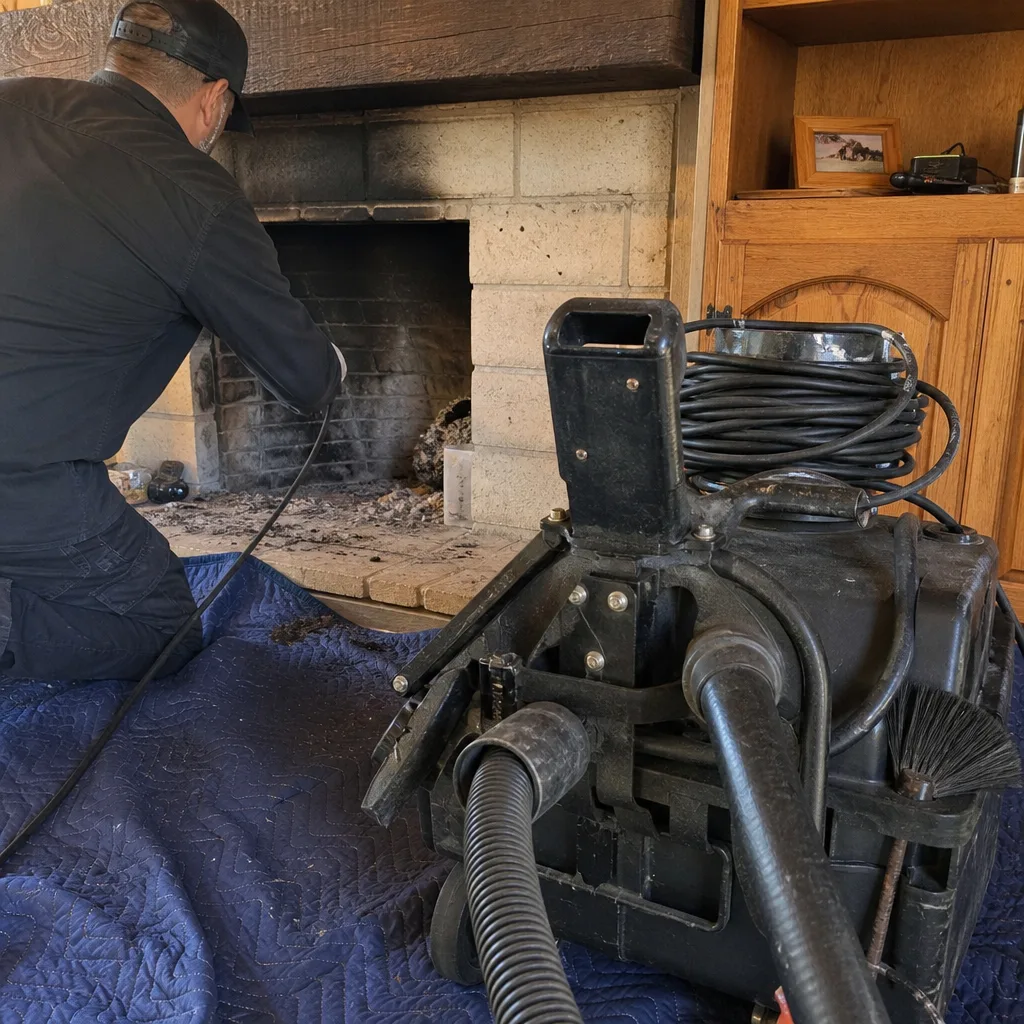 Before
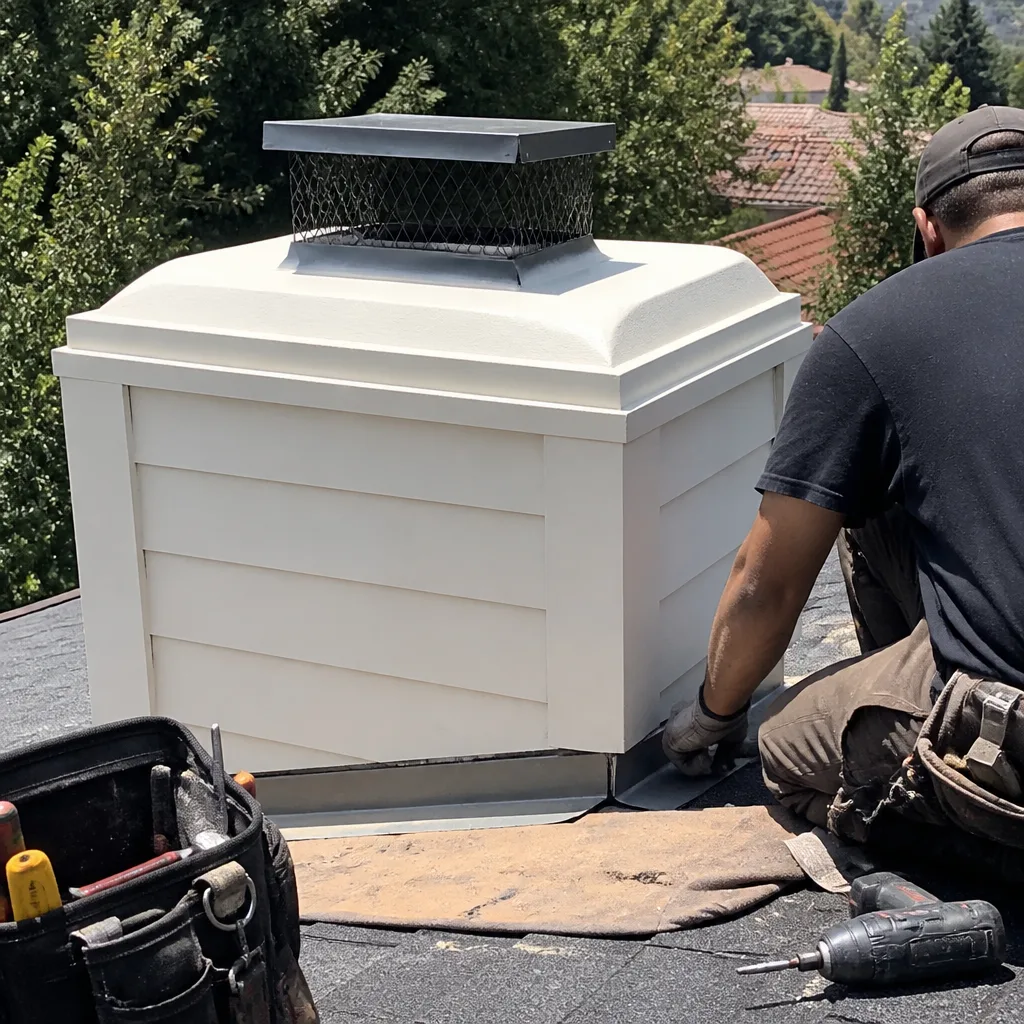 After
After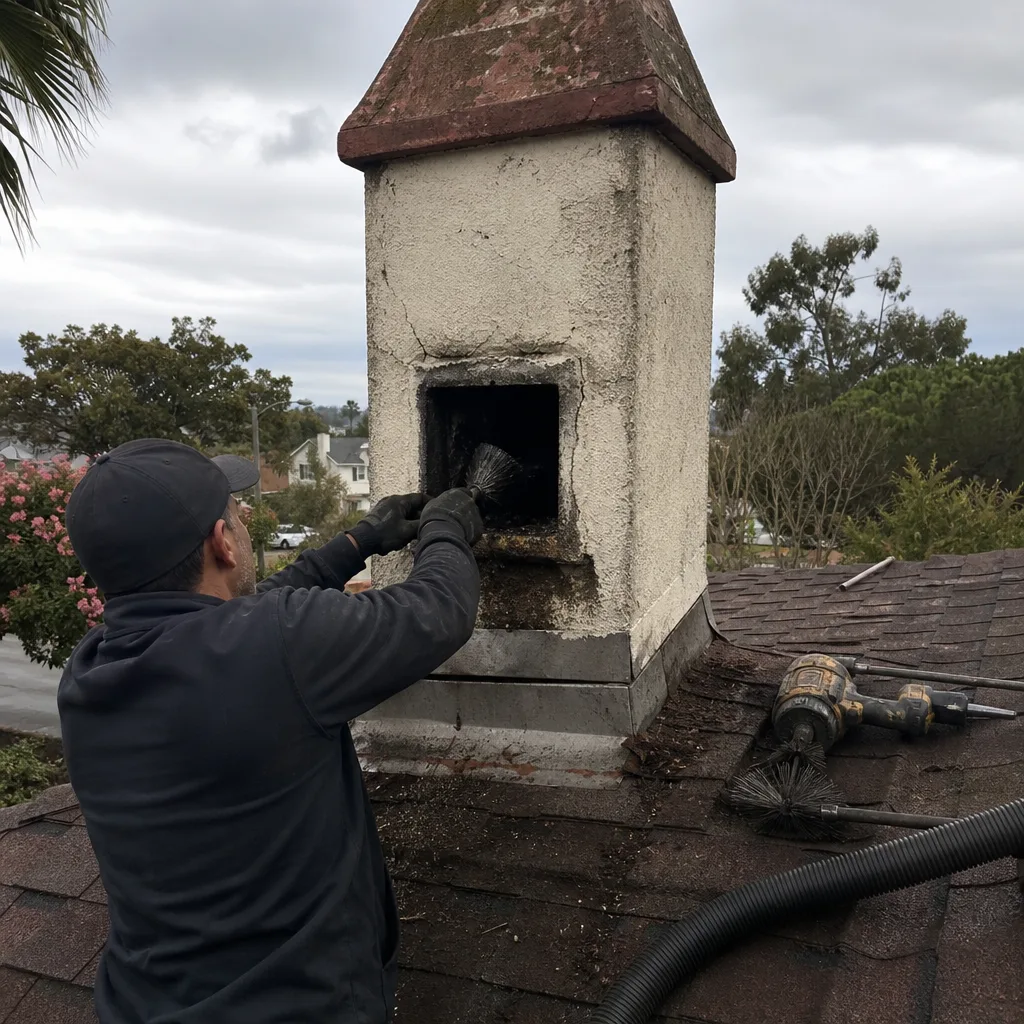 Before
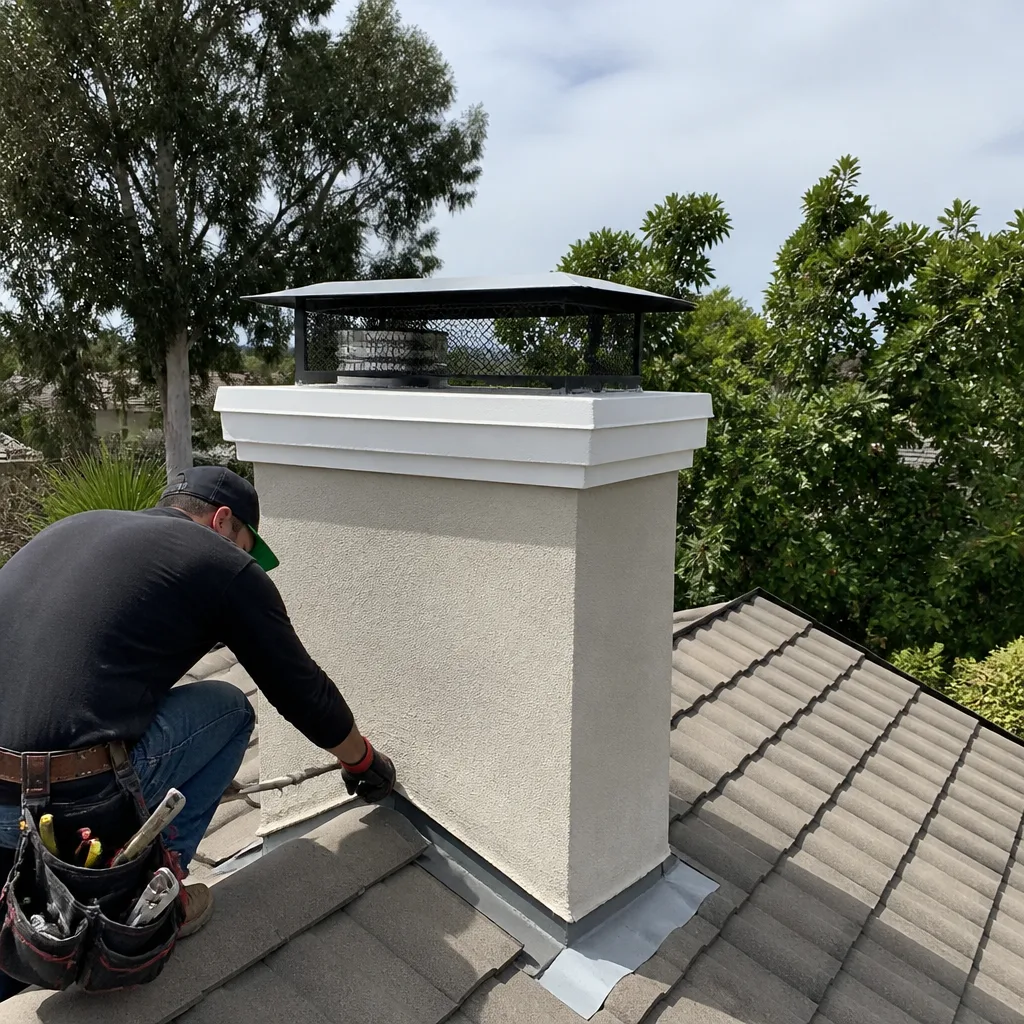 After
After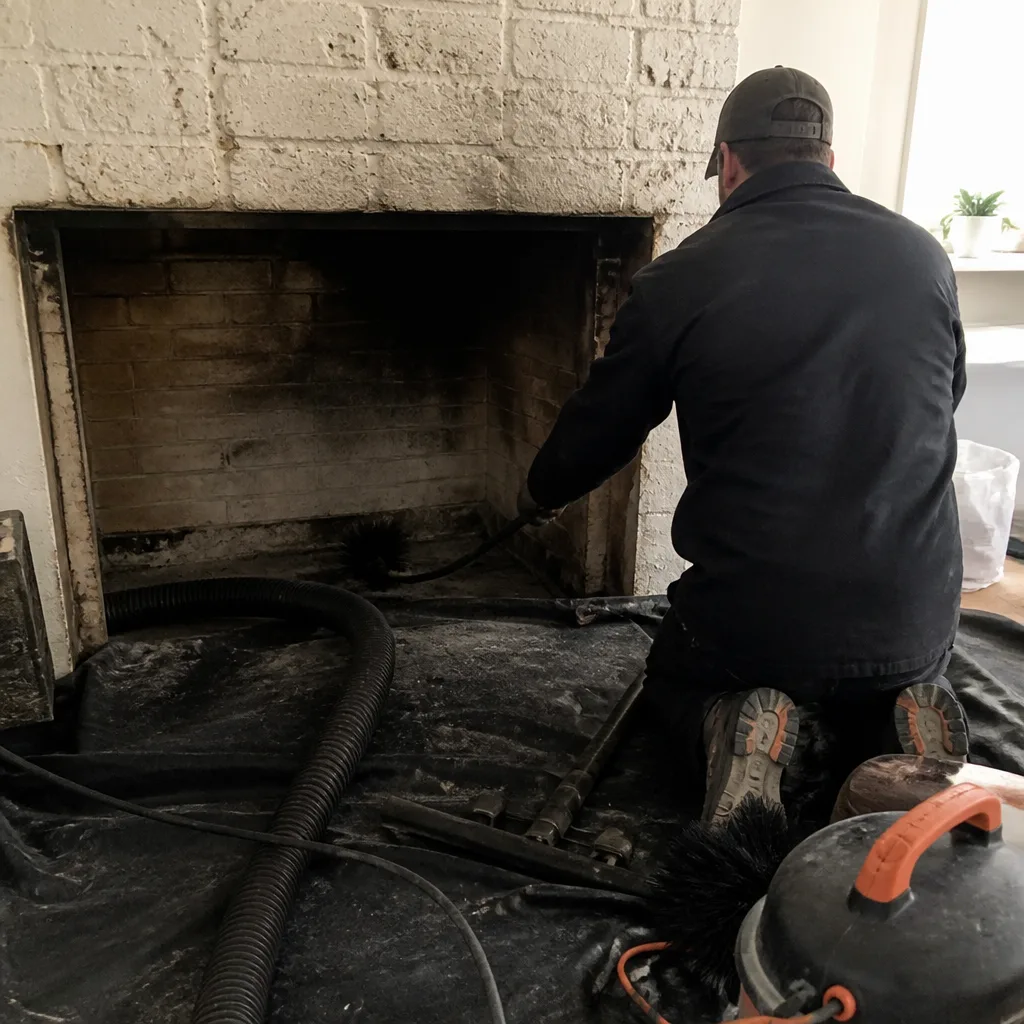 Before
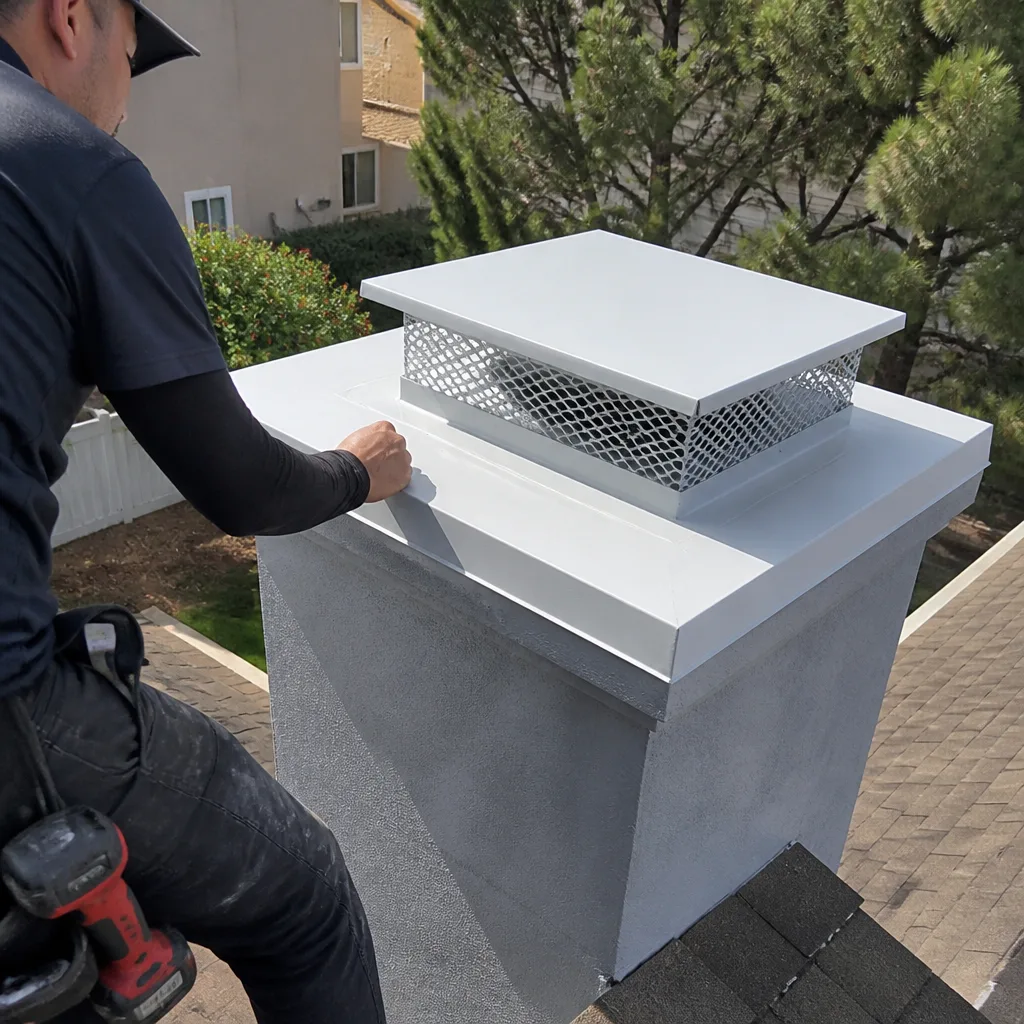 After
AfterWhen to Call a Professional
Call a chimney professional if you see water staining on ceilings or walls near the chimney, find falling mortar crumbs or cracked bricks, experience smoke backing up into the room on calm windless nights, hear animals inside the flue, or haven’t had the system inspected in more than 18 months. Also call if you’ve bought a home in San Diego and don’t have a record of the previous owner’s chimney maintenance, because there’s no way to know what’s inside that flue until someone looks.
Ashby Chimney San Diego offers free estimates throughout San Diego, and every job gets a written price before work begins. Call (619) 693-1499 to schedule an inspection or ask a question about your system. Our Ashby Chimney San Diego home page explains more about how we work.
Frequently Asked Questions
Once per year is the right cadence for most San Diego homes, and the ideal time is May or June after the fire season ends. Homes that burn more than three fires per week through the winter may need an additional sweep mid-season, but a spring inspection puts you on the right schedule for our climate.
Most chimney sweeps in San Diego run between $150 and $350, depending on the level of inspection included and whether additional services like video scanning are part of the job. For a detailed breakdown, read our Chimney Cleaning Cost Breakdown: The San Diego Homeowner’s Reference for 2026. Ashby Chimney San Diego gives a written price before any work begins, so call (619) 693-1499 for a specific quote on your system.
Only if the evidence supports it, and any company you hire should show you that evidence directly. A video camera inspection demonstrates the condition of the flue liner, and a legitimate recommendation for replacement, whether with a product like HeatShield or Olympia Chimney materials, will be backed by footage you can see with your own eyes. If a company tells you the liner is cracked and won’t show you the video, get a second opinion.
Creosote, which is the unburned combustion byproduct that coats the inside of the flue, accumulates over time and is itself flammable. A heavily coated flue can support a chimney fire that reaches temperatures high enough to crack the flue liner and potentially spread to the home’s structure. Beyond the fire risk, years of skipped maintenance means animal nests, debris, and undetected water intrusion compound into larger and more expensive repairs.
You can remove loose ash from the firebox, and you should do that regularly during the burning season. A full sweep involves accessing the top of the chimney, working on a roof, and removing creosote from the entire flue length, which is genuinely dangerous work that requires proper equipment and training. We recommend leaving it to a professional, and the cost in San Diego is reasonable compared to the risk of a fall.
Chimney odors in summer are typically caused by creosote and soot inside the flue drawing moisture from humid air, and the odor travels down into the living space. A spring cleaning after the fire season ends removes the source of the odor, and a properly functioning damper and cap keep most outside air from moving through the flue. If the smell persists after a cleaning, the issue may be a downdraft problem that a chimney professional can diagnose.
The Bottom Line
San Diego chimneys don’t follow the fall-cleaning schedule that works in colder climates. Our climate gives us fire season, rain season, and a long dormant stretch, and each phase creates different problems: creosote and liner wear during burning months, mortar erosion during winter rains, and nesting, debris, and wind damage during the dry months. The solution is a spring inspection in May or June that catches all of it at once, repairs scheduled during summer when the fireplace sits idle, and a cap and screen system that protects against birds and Santa Ana embers. A little planning around San Diego’s actual weather keeps your fireplace ready for that first cold night without scrambling. Explore our more guides & resources for year-round chimney care.
Written by Nathan Corliss, Owner at Ashby Chimney San Diego, serving San Diego since 2002.