
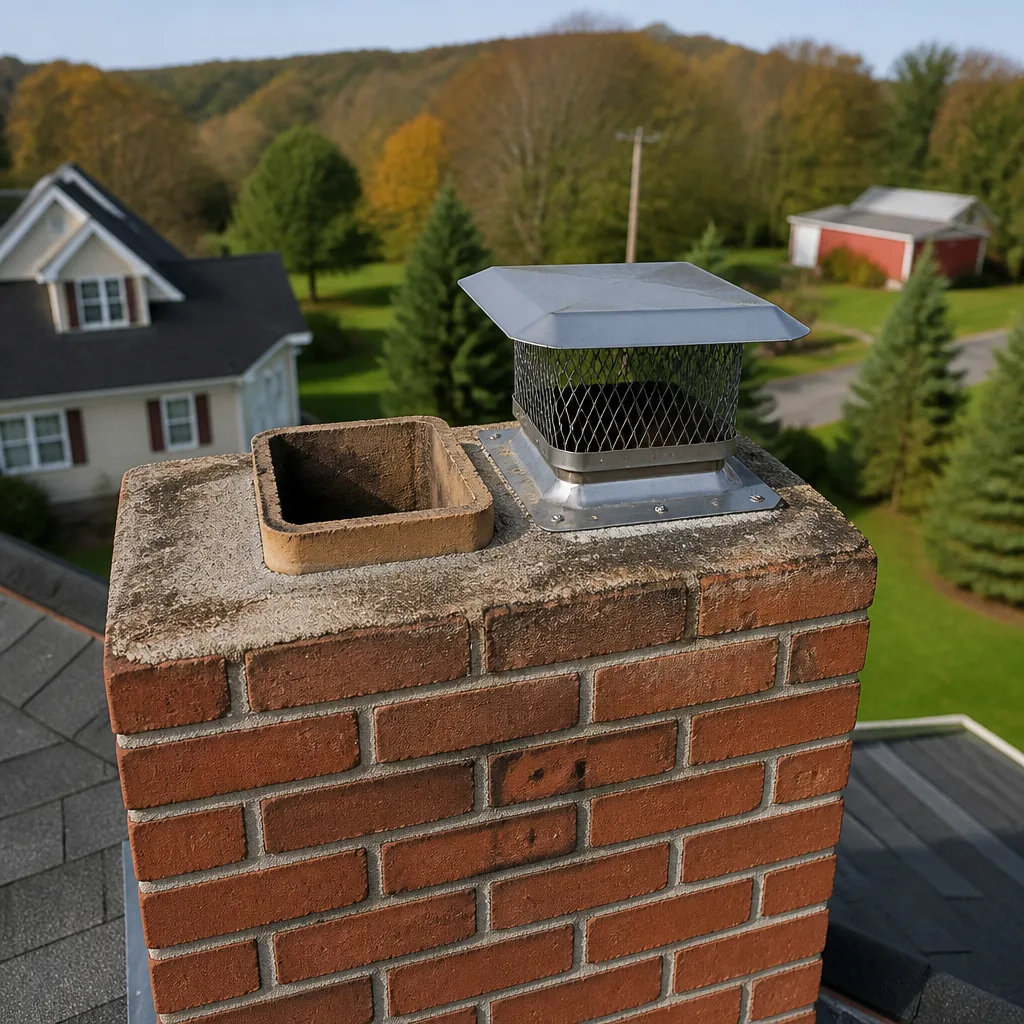
 Sweep & inspection
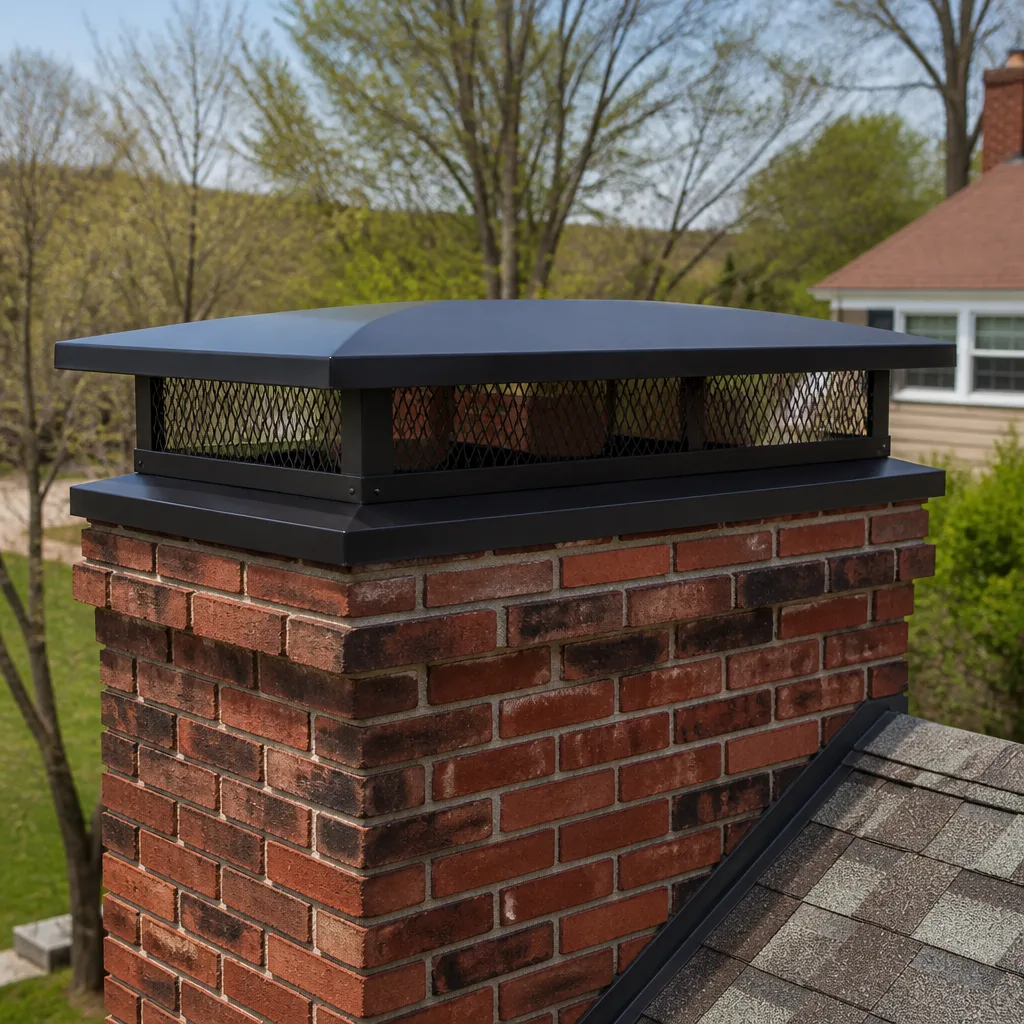 Caps & crowns
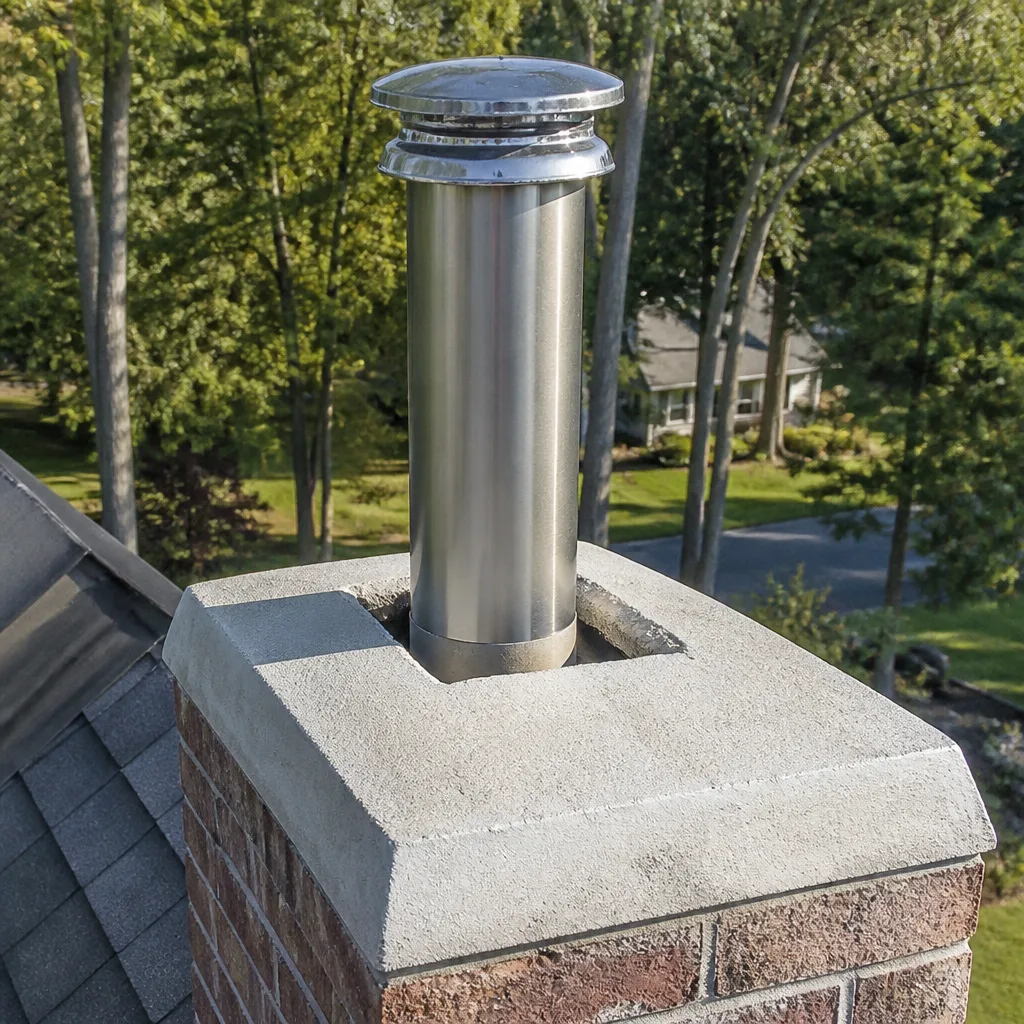 Flue relining
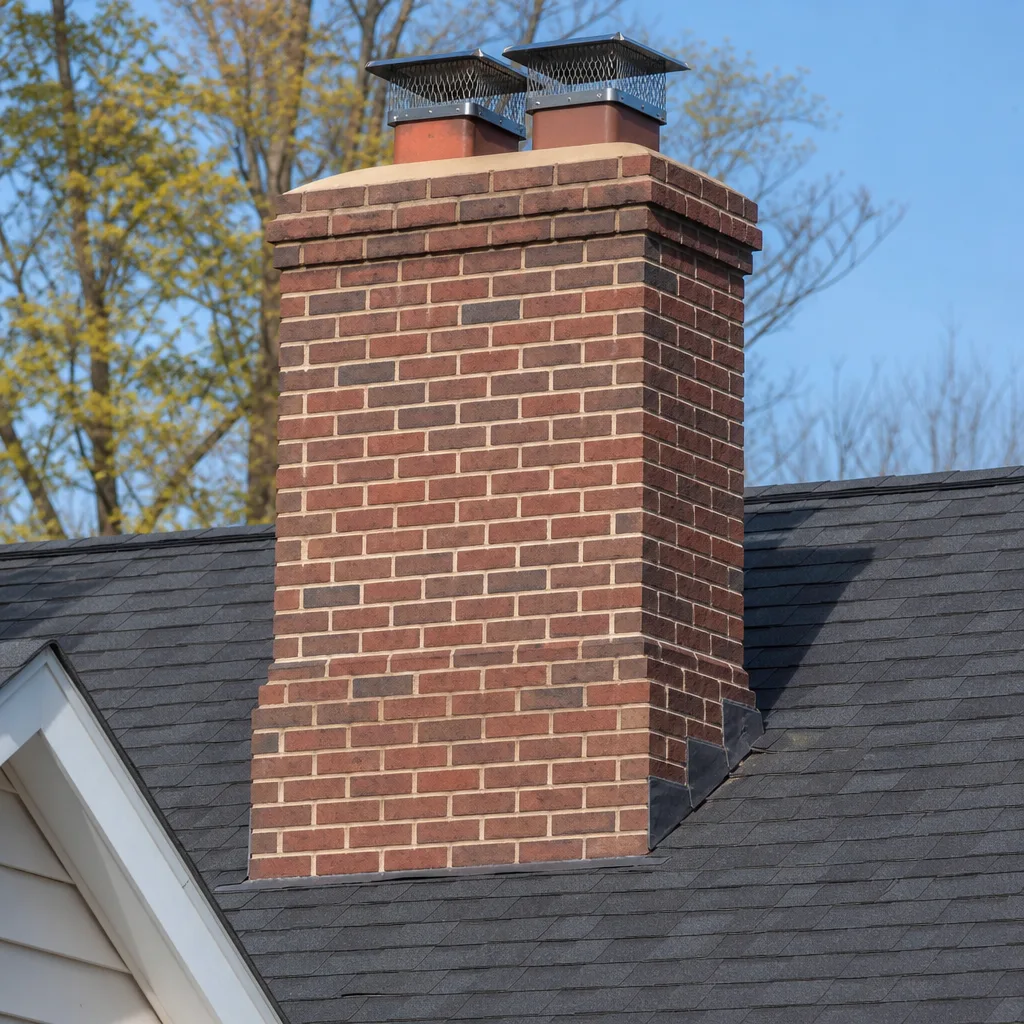 Masonry repair
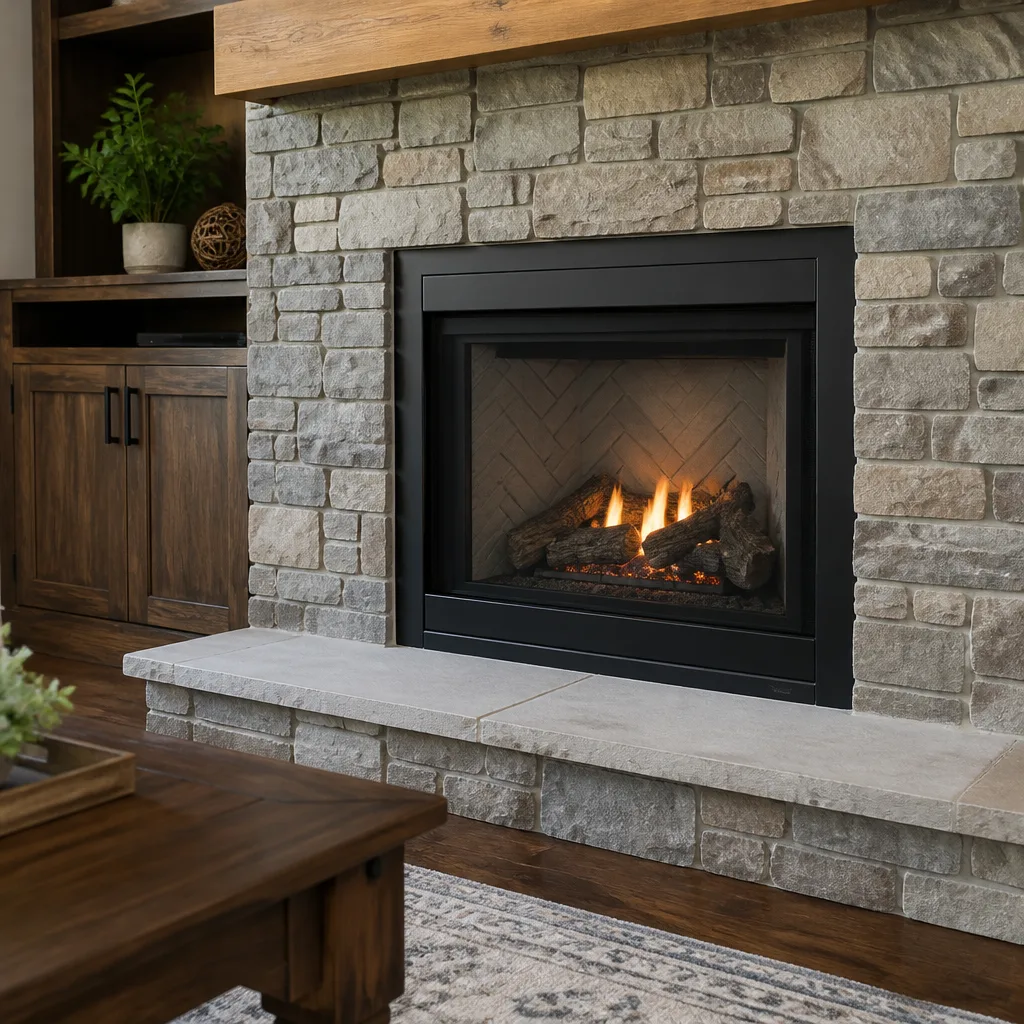 Gas fireplace service
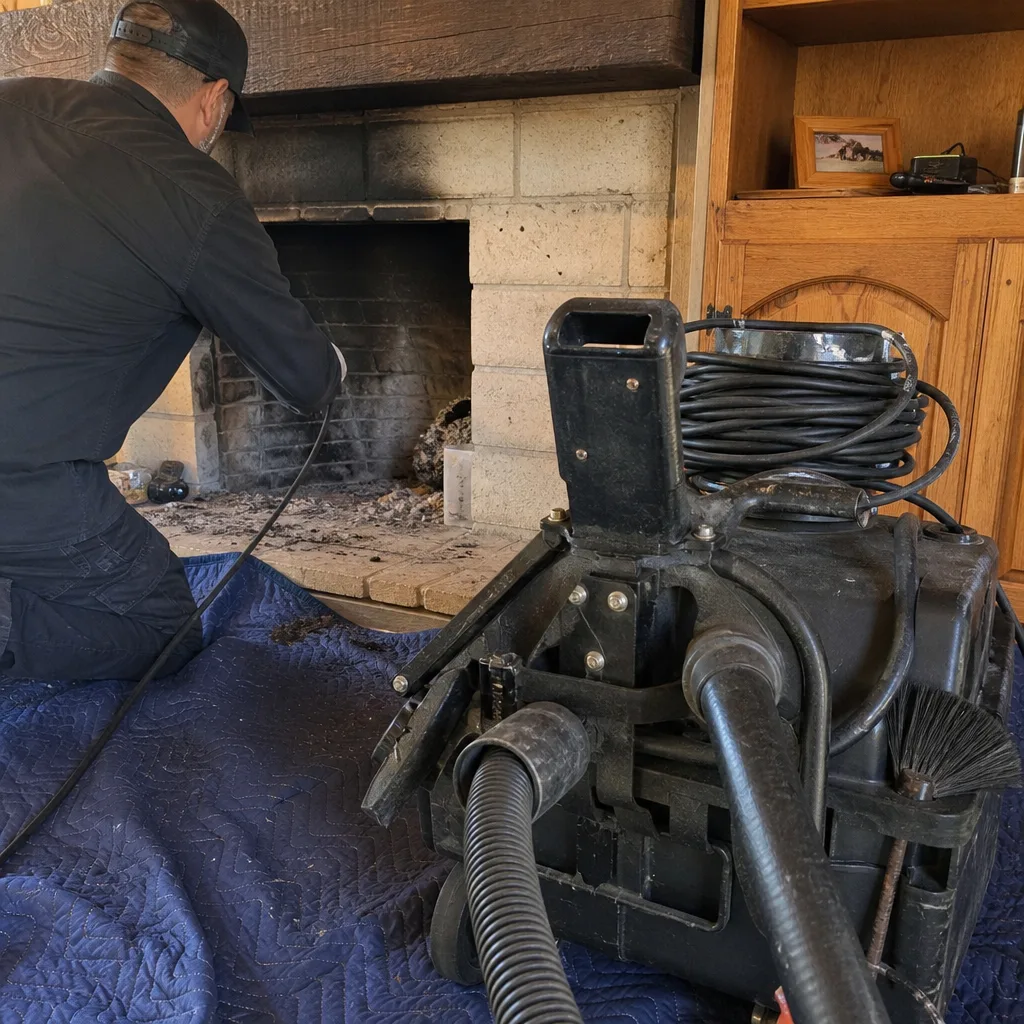
Level 1 sweep and inspection to the NFPA 211 annual standard - flue, crown, cap, and flashing checked and photographed
Chimney sweep logs do not sweep chimneys. They loosen some creosote - which then falls where a brush and vacuum still have to collect it.
HeatShield Chimney Cap Installation: The San Diego Owner’s Guide
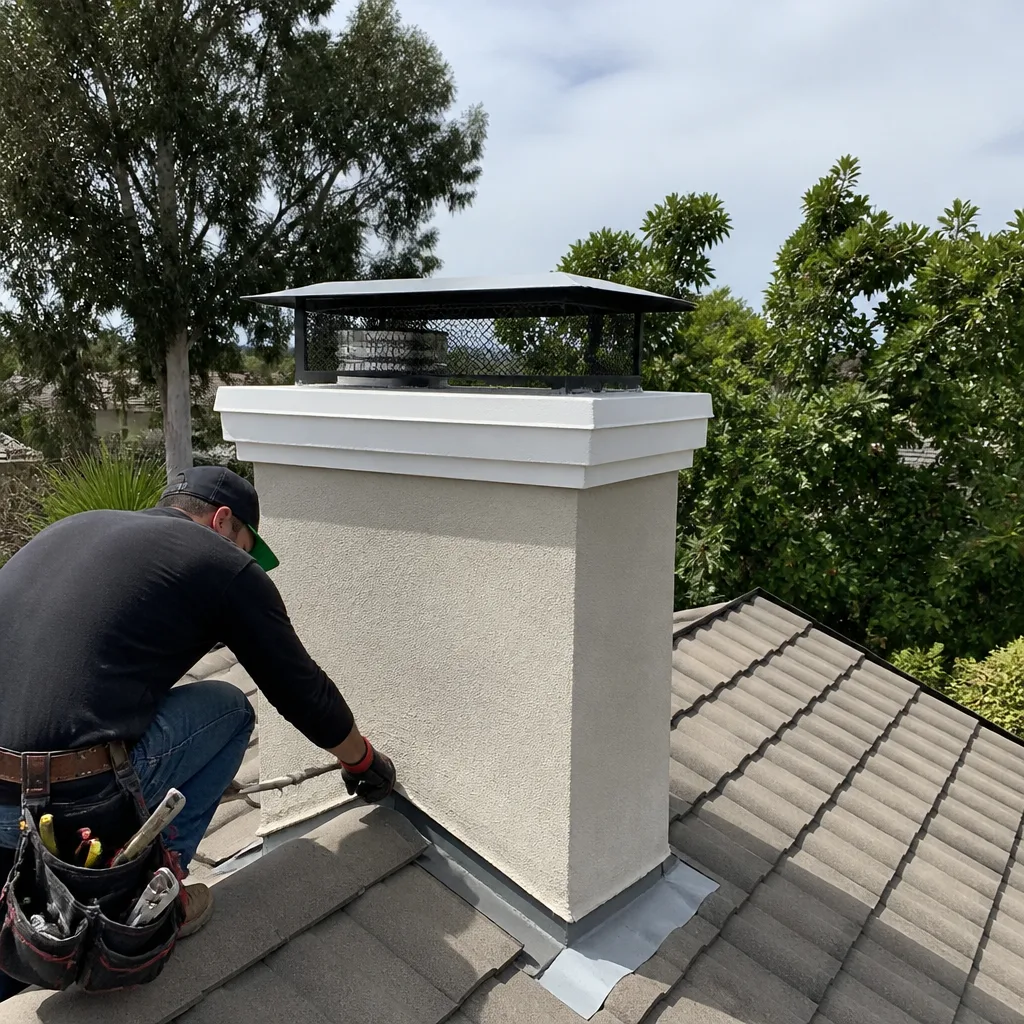
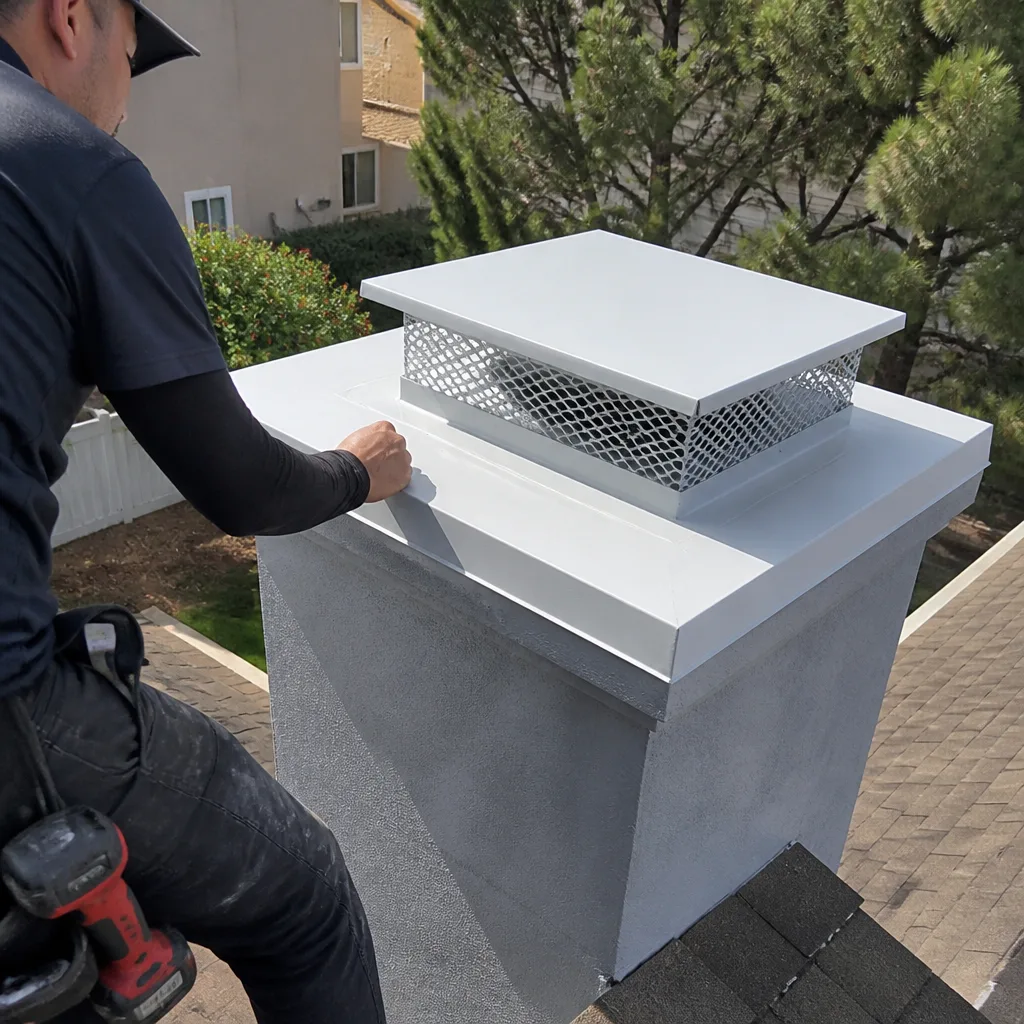
If your HeatShield chimney cap is rusted through, missing, or letting rain into your flue, we install HeatShield-compatible caps across San Diego most weeks, with typical installed pricing running $320 – $690 depending on flue size, roof access, and whether the mounting base needs replacement. Most jobs are completed in one visit since we keep common HeatShield cap sizes on the truck. What usually brings a San Diego homeowner to this page is a cap that’s visibly deteriorated after a few years of coastal moisture, or a chimney leak that a roofer traced back to a failed cap, not the flashing.
HeatShield is better known for its flue resurfacing systems than for caps, which means a lot of San Diego homes have a HeatShield liner paired with whatever cap happened to be on the chimney at the time. If the cap failed and the liner is a HeatShield product, matching the new cap to that system matters more than most people expect. The cap has to seat properly against the flue tile or the HeatShield crown coat, and if it doesn’t, you get the same leak all over again.
Key Takeaways:
- HeatShield chimney cap installation in San Diego typically runs $320 – $690 installed, written price before work begins.
- Most common failure point is the cap’s mounting base, not the cap hood itself, especially within ten miles of the coast.
- We stock HeatShield-compatible replacement caps and common mounting bases on the truck for one-visit installs.
- DIY cap replacement on a two-story San Diego roof is genuinely dangerous. We’ll say more about that below.
- Every install carries our written guarantee and the 365-Day Done Right Promise.
Which HeatShield Models This Applies To
HeatShield caps are manufactured to work with HeatShield’s chimney restoration systems, most commonly the Cerfractory flue sealant and the HeatShield CeCure relining process. The caps themselves are stainless steel with a standard skirt that seats over the flue tile or a stainless adapter plate. If your chimney was relined with HeatShield in the last decade, the cap you need is sized to the new flue dimensions, not the original clay tile opening, and that’s the first thing we verify on site.
Model identification is straightforward when you know what to look for. HeatShield caps carry a stamped part number on the underside of the lid or the skirt, usually beginning with an “HC” prefix followed by the flue size. If the stamp is gone, which happens often with coastal corrosion, we measure the outside flue tile or the liner opening and match it to the correct cap. The aftermarket question is real here: there are generic stainless caps that will fit a HeatShield flue, but the skirt depth on HeatShield caps is shallower than most generics, which means a generic cap can sit proud of the crown and catch more wind off Point Loma. If the budget calls for aftermarket, we’ll tell you and price it accordingly, but when a HeatShield liner is in play, we recommend staying with the HeatShield cap. We are an independent chimney service company, not affiliated with HeatShield, but we’ve worked with their products alongside DuraFlex and Gelco materials for years and know the compatibility quirks.
Styles & brands we work with
Signs Your HeatShield Chimney Cap Installation Is Failing
- Water staining on the ceiling near the chimney chase. This is the most common first sign in San Diego, where winter rains find the gap between a corroded cap and the flue. The cap doesn’t need to be visibly gone; a failed caulk seam at the skirt will do it.
- Visible rust or a rust streak running down the chimney crown. Stainless caps shouldn’t rust, but a cap that was installed with galvanized mounting hardware instead of stainless will bleed rust down the crown within two or three seasons. We see this on a lot of late-2000s installs around Mission Hills.
- You can see daylight through the cap screen or the hood is dented. Hail and Santa Ana wind debris take a toll. A dented hood changes water deflection, and a torn screen lets embers and birds through.
- An animal got into the flue. If you hear scratching or find nesting material in the firebox, the cap screen is compromised somewhere. Raccoons in Hillcrest and squirrels in Clairemont both know how to exploit a bent screen corner.
- The cap moves when you push on it. On a single-story chimney you can sometimes check this from a ladder. If there’s any movement, the mortar bond or the mechanical fasteners have failed, and the next big wind will finish the job.
See the difference
 Before
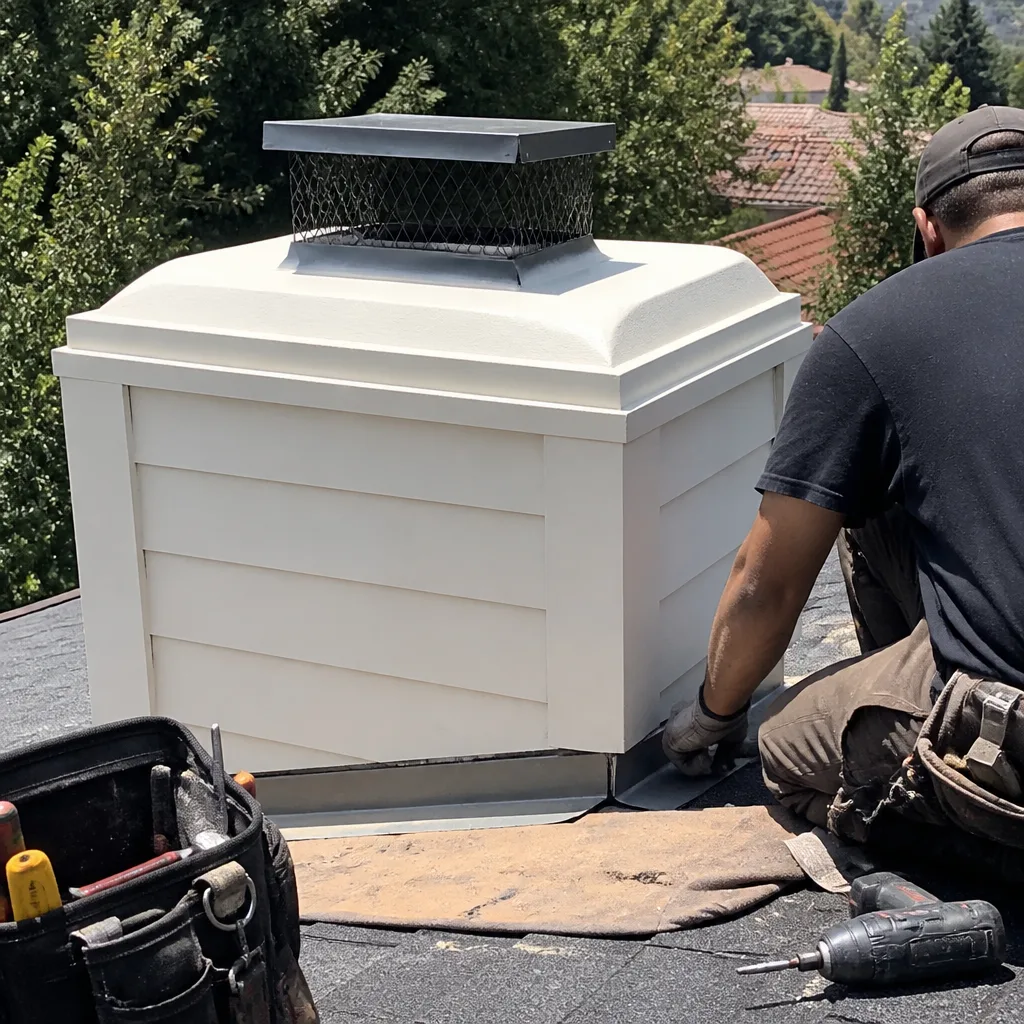 After
After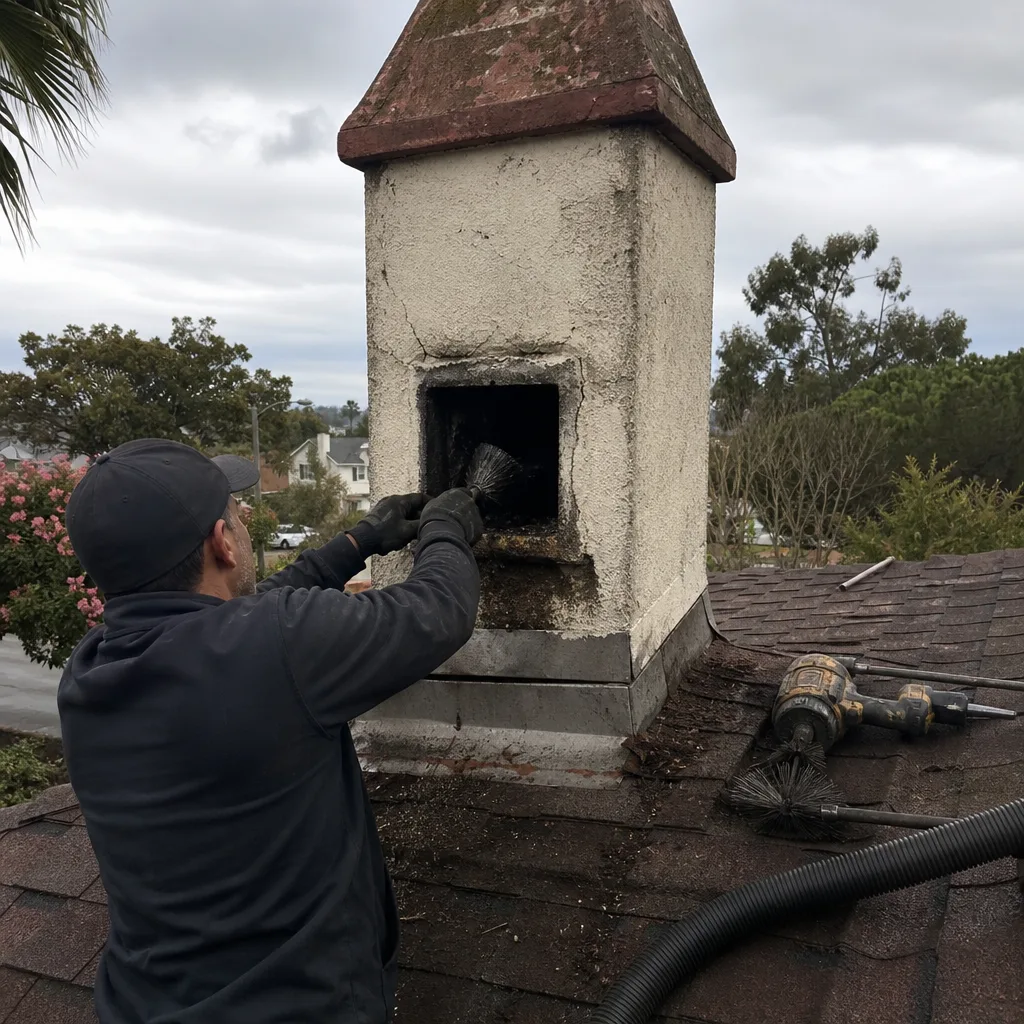 Before
 After
After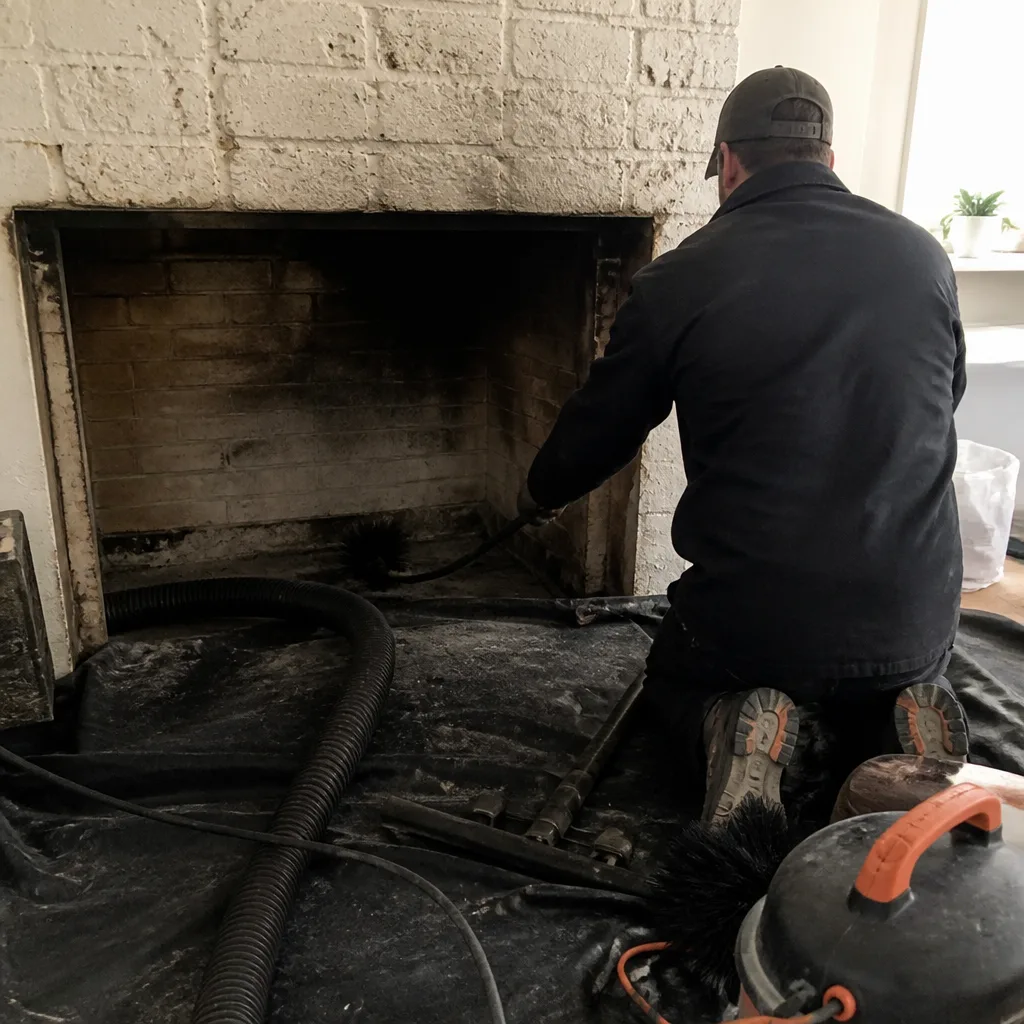 Before
 After
AfterReplacement Cost & What’s Included
Most HeatShield chimney cap replacements in San Diego fall between $320 and $690 installed. The range is driven by three things: flue size (a standard 13×13 cap runs less than a custom 17×17 or an oval), roof pitch and access (a steep two-story roof in Bankers Hill takes longer and costs more than a walkable single-story in North Park), and whether the mounting base or crown needs repair before the new cap seats.
The price we quote includes the cap, the mounting hardware, removal and disposal of the old cap, a crown inspection, and the install labor. It also includes a written guarantee on the installation, and because of the 365-Day Done Right Promise, if anything about that cap install fails within the guarantee period, we come back and fix it at no charge. That’s the Kingswell Way: say the price, show up in the window, leave it cleaner, put the guarantee in writing, come back if it fails. We carry professional-grade HeatShield, DuraFlex, and Gelco parts, along with Olympia Chimney, Famco, and Copperfield materials, so the cap going on your chimney is from a recognized chimney-trade manufacturer, not a big-box house brand.
DIY or Call Us?
If you can safely see the cap from the ground or a ladder against the house, you can check for obvious rust, missing hardware, a torn screen, or visible gaps at the crown. That’s useful information to have before you call. What you shouldn’t do is climb onto a Southern California roof with a replacement cap under one arm. Most San Diego chimneys are on roofs with a 6/12 pitch or steeper, clay tile and concrete tile are slick when they’re dry and worse in morning dew, and the fall from a two-story ridge is not something you walk away from. If the chimney is a chase-mounted setup, there’s usually a full gas-assist and water heater vent running through it, which means you’re now involved with combustion venting that has to be reassembled correctly.
The other thing that goes wrong on DIY cap installs is the crown. Homeowners bolt a new cap over a cracked crown and wonder why the leak comes back. The cap keeps rain out of the flue opening, but the crown directs water away from the whole top of the chimney. If the crown is shot, the cap is only half the repair. We check the crown on every cap install we do in San Diego, and if it needs work, you’ll see it in the written price before we start, not as a surprise after. If you want a professional look at it, call (619) 693-1499 for a free estimate.
FAQs
A stainless HeatShield cap in San Diego typically lasts 12 to 18 years before it needs replacement, though coastal exposure in neighborhoods like La Jolla or Ocean Beach can shorten that to 8 to 10 years because salt air accelerates corrosion at the mounting fasteners before the cap itself fails. If you’re inland in Rancho Bernardo or Poway, 15 to 20 years is realistic with intact mounting hardware. Call (619) 693-1499 and we can inspect your cap and tell you exactly where it is in its lifespan.
Yes, in limited cases: a torn screen can be replaced, bent mounting brackets can be swapped, and failed caulk at the crown seam can be re-sealed if the cap is otherwise sound. If the hood is dented, rusted through, or the skirt has separated from the lid, replacement is the honest call. We’ll show you the damage before recommending a course, and if repair makes sense, that’s what we’ll quote.
Most single-flue HeatShield cap installations take about 45 minutes to an hour once the technician is on the roof, and we complete the vast majority in one visit since the common cap sizes are on our trucks. If the crown needs repair or the mounting base has to be fabricated, we may need a second trip after the crown work cures. You’ll know the timeline and the full price before we begin.
We keep the common HeatShield cap sizes and mounting bases stocked on our trucks, which covers most standard flue tiles found in San Diego homes built between the 1960s and the 2010s. For oversized or odd-shaped flues, we order the specific cap and typically have it within a week. Either way, you get a written price before any work is scheduled.
Written by Nathan Corliss, Owner, Ashby Chimney San Diego at Ashby Chimney San Diego, serving San Diego and nearby areas.