
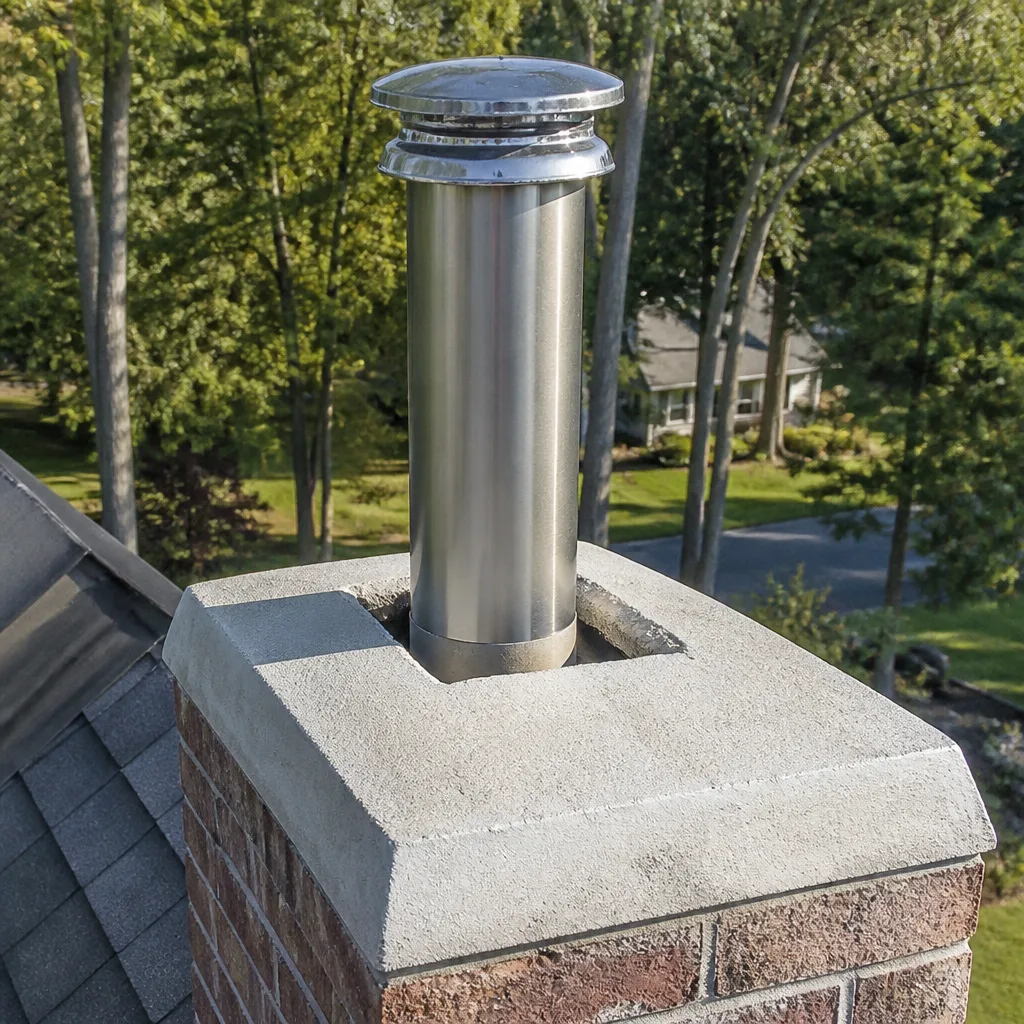
 Flue relining
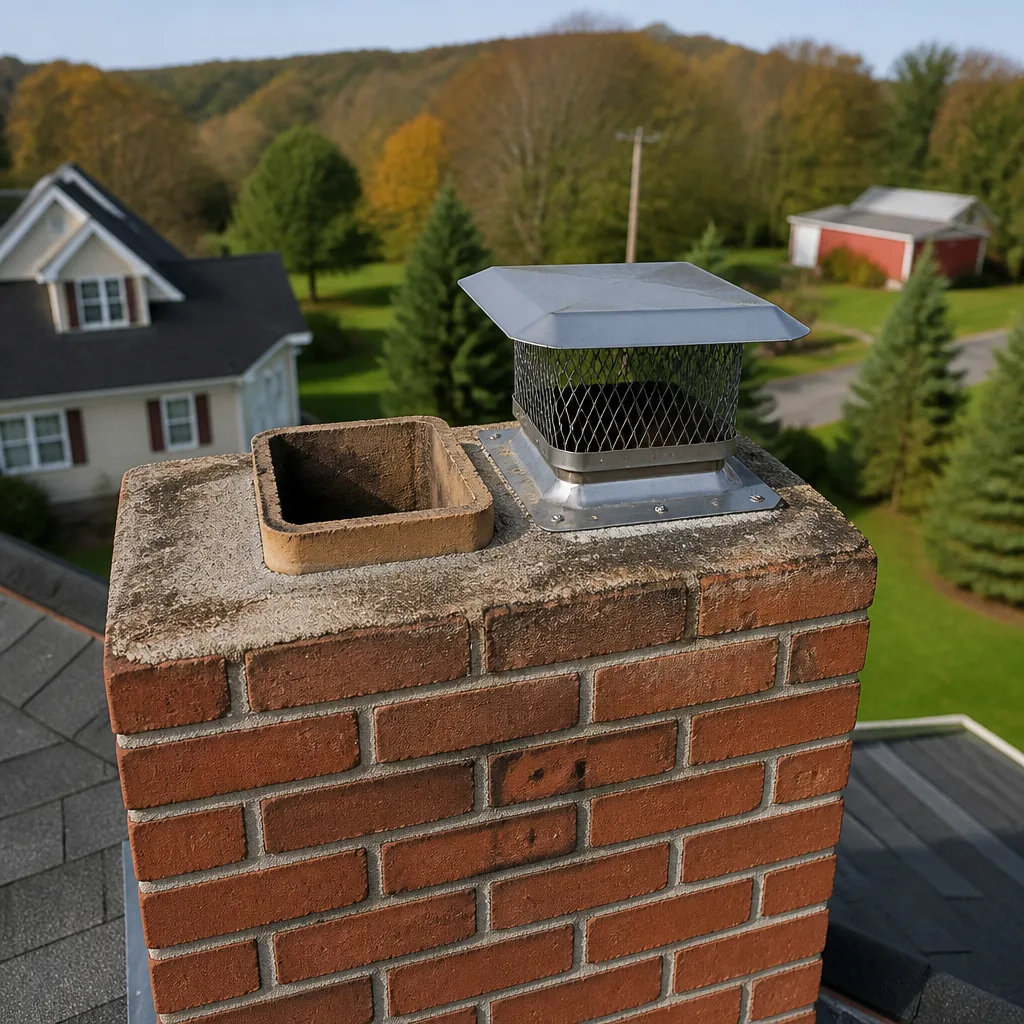 Sweep & inspection
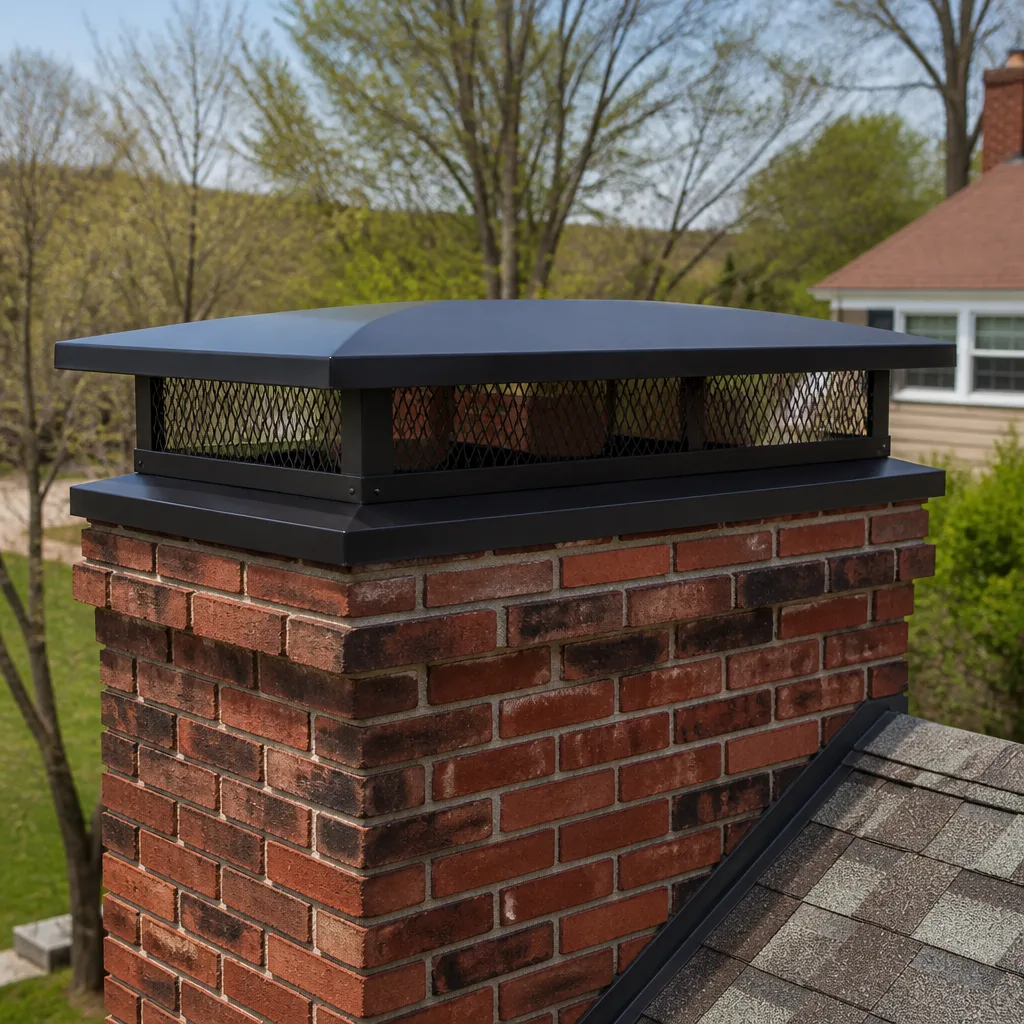 Caps & crowns
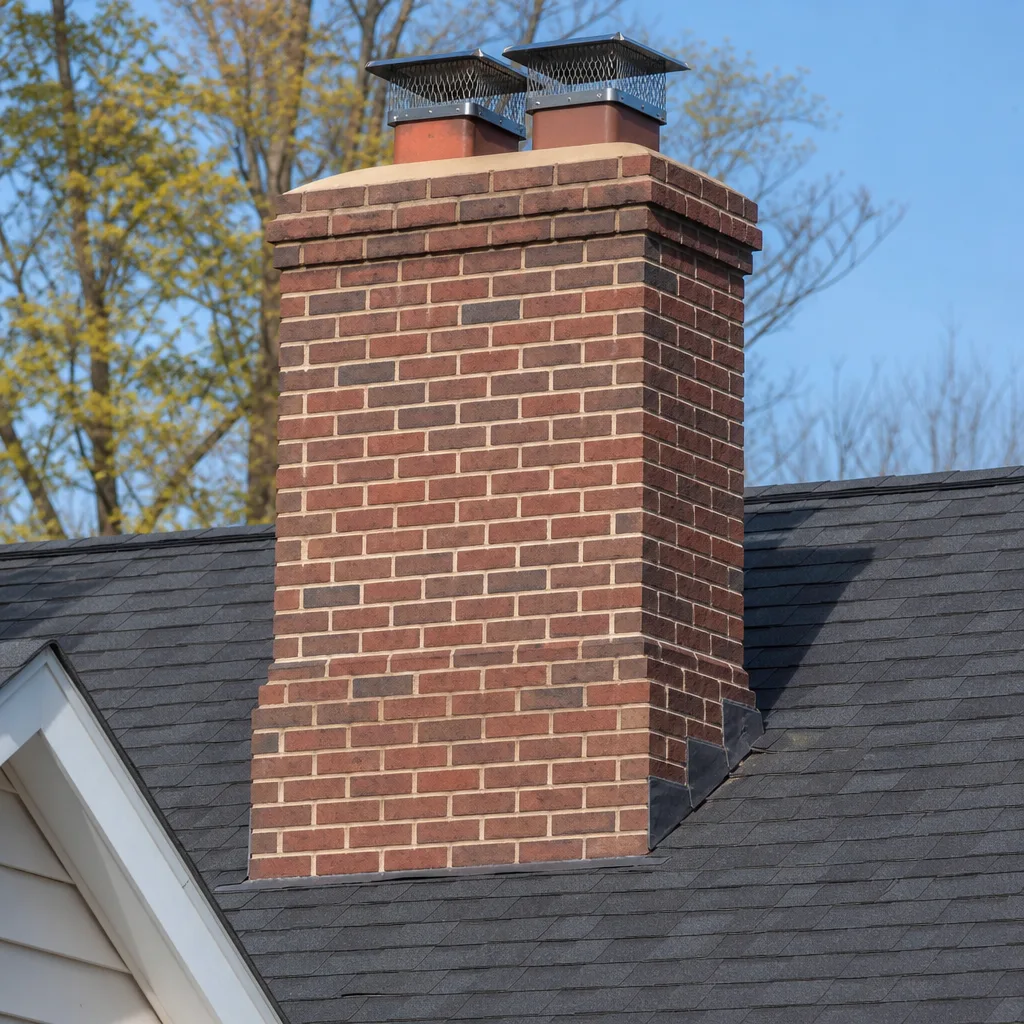 Masonry repair
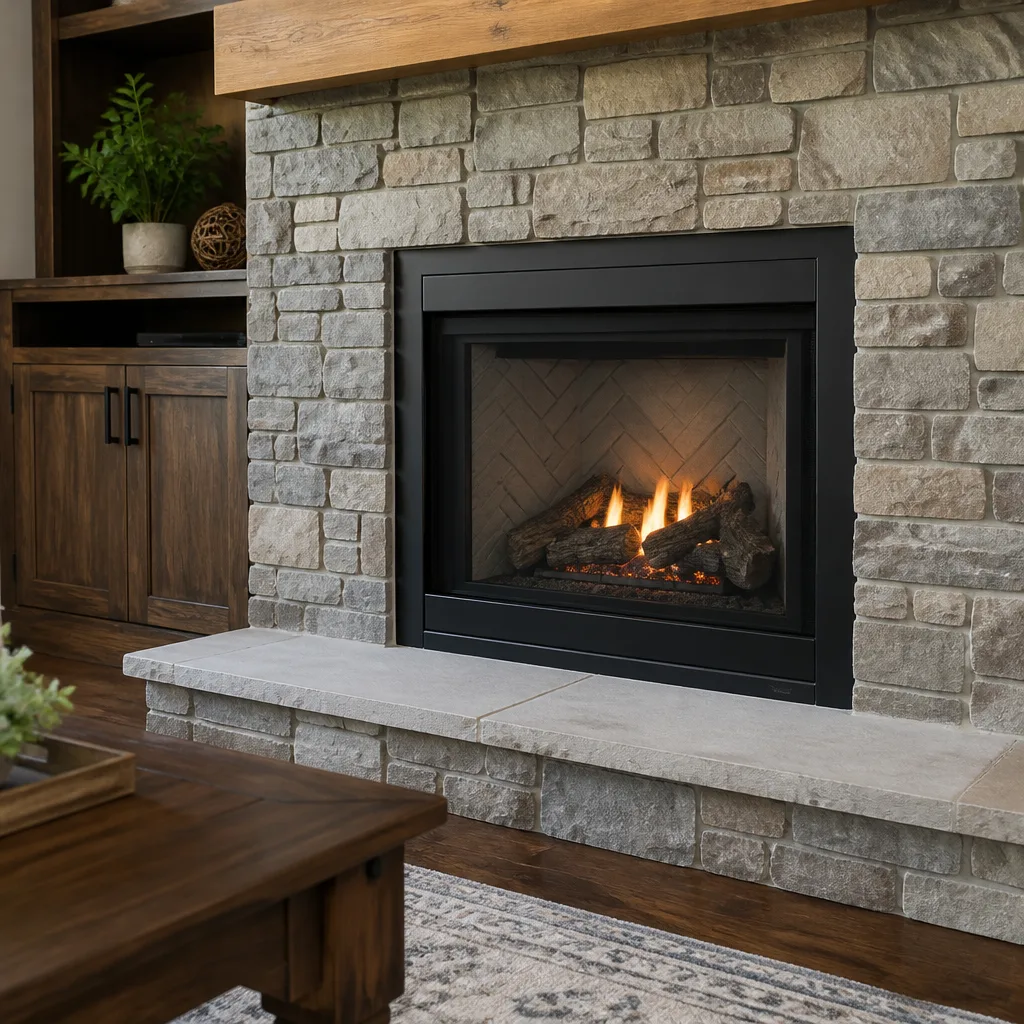 Gas fireplace service
Level 1 sweep and inspection to the NFPA 211 annual standard - flue, crown, cap, and flashing checked and photographed
Chimney sweep logs do not sweep chimneys. They loosen some creosote - which then falls where a brush and vacuum still have to collect it.
Gelco Flue Liner Replacement: The San Diego Owner’s Guide
If you have a Gelco flue liner that’s cracked, rusted through, or no longer drafting the way it should, we replace it, typically for between $2,400 and $4,600 installed in San Diego depending on the flue height, access, and whether we’re relining a single appliance or a full fireplace system. We keep Gelco-compatible liners and connectors on the truck for most common sizes, so in many cases we can do the swap in a single visit. How most San Diego homeowners find out their Gelco liner has failed is simple: the water heater starts backdrafting, the fireplace smells like smoke even when the damper’s open, or an inspection camera shows a crack that wasn’t there last year.
Here’s the thing about Gelco liners specifically. Gelco made a solid product, but the older single-wall galvanized and aluminum liners were never designed to last the life of the house. In San Diego, we see a particular failure pattern: the liner is fine for the first ten or twelve years, then the inner wall starts to corrode from the inside out, usually a few feet above the appliance connection where the flue gases cool and condense. By the time you can see flaking metal or rust stains, the liner is already compromised. You don’t need to panic, but you do need to deal with it, because a failed flue liner is venting combustion gases somewhere other than up and out.
Which Gelco Models This Applies To
Gelco produced two main product families that we see in San Diego homes: the single-wall flexible aluminum and galvanized liners sold mostly in the 1990s and early 2000s, and the later double-wall stainless models, including the Gelco Flex SS series. If you have a Gelco liner, it’s almost always one of these two. The single-wall aluminum was rated for gas appliances only, never wood. The stainless double-wall could handle gas or oil, and in some configurations, wood. If you pull the manual for your furnace or water heater and the venting section says “Gelco,” or if there’s a small metal tag near the top of the liner, that’s your confirmation.
The compatibility gotcha with Gelco is size. The old Gelco liners were sold in inch-based diameters (3″, 4″, 5″, 6″, 7″, 8″), and the connectors were often proprietary. A 6-inch Gelco liner may measure closer to 5-7/8″ internal diameter once it’s been through a decade of heating and cooling cycles, which means a off-the-shelf 6-inch connector can bind or leave a gap. We measure the actual interior diameter with a caliper before ordering or fitting anything, because a 1/8-inch discrepancy at the connector is the difference between a sealed flue and a slow carbon monoxide leak at the joint.
On the OEM vs aftermarket question: Gelco as a standalone brand is largely out of the residential production game, which means true OEM parts are scarce and getting scarcer. What we install today is Gelco-compatible replacement liner, typically a 316L stainless flex liner from a current manufacturer, fitted with new connectors, a new top plate, and a new rain cap. It’s not a knockoff. It’s the modern equivalent of what Gelco was building, with better corrosion resistance than the original single-wall product. We’re not affiliated with Gelco and we don’t pretend to be, but we know their sizing and we know what works.
Styles & brands we work with
Signs Your Gelco Flue Liner Replacement Is Failing
The failure signs below are what we look for on a camera inspection. If you’re seeing any of them, the liner is at the end of its service life, not the beginning of a fixable problem.
- Rust flakes or scale at the base of the flue, or visible rust staining on the exterior of the liner. This means the galvanized coating is gone and the underlying steel is oxidizing. Once that starts, the liner wall is thinning. It doesn’t un-thin.
- A smoke smell in the house when the fireplace or furnace is running, or a sulfur smell near the water heater. Both mean flue gases are leaking into the house instead of exiting the top of the flue. This is a venting leak, not an airflow nuisance.
- The water heater pilot keeps going out, or the burner flames are lazy and yellow instead of crisp and blue. That’s backdrafting, which is what happens when exhaust gases can’t get up the flue and come back down instead. In a closed space, that’s carbon monoxide risk, plain and simple.
- Visible cracks, splits, or separating seams along the liner length. On a camera inspection, these show up as dark lines or gaps in the liner wall. Gelco single-wall liners tended to fail at the crimped seams first, especially on the side facing the weather in ocean-adjacent San Diego neighborhoods.
- White or green corrosion deposits, particularly near the top of the flue. In San Diego, the salt air accelerates this. The top few feet of the liner are where the hot gases meet cooler exterior air, and that’s where condensation and corrosion concentrate. If the top of the liner looks fuzzy or crusted, the rest isn’t far behind.
See the difference
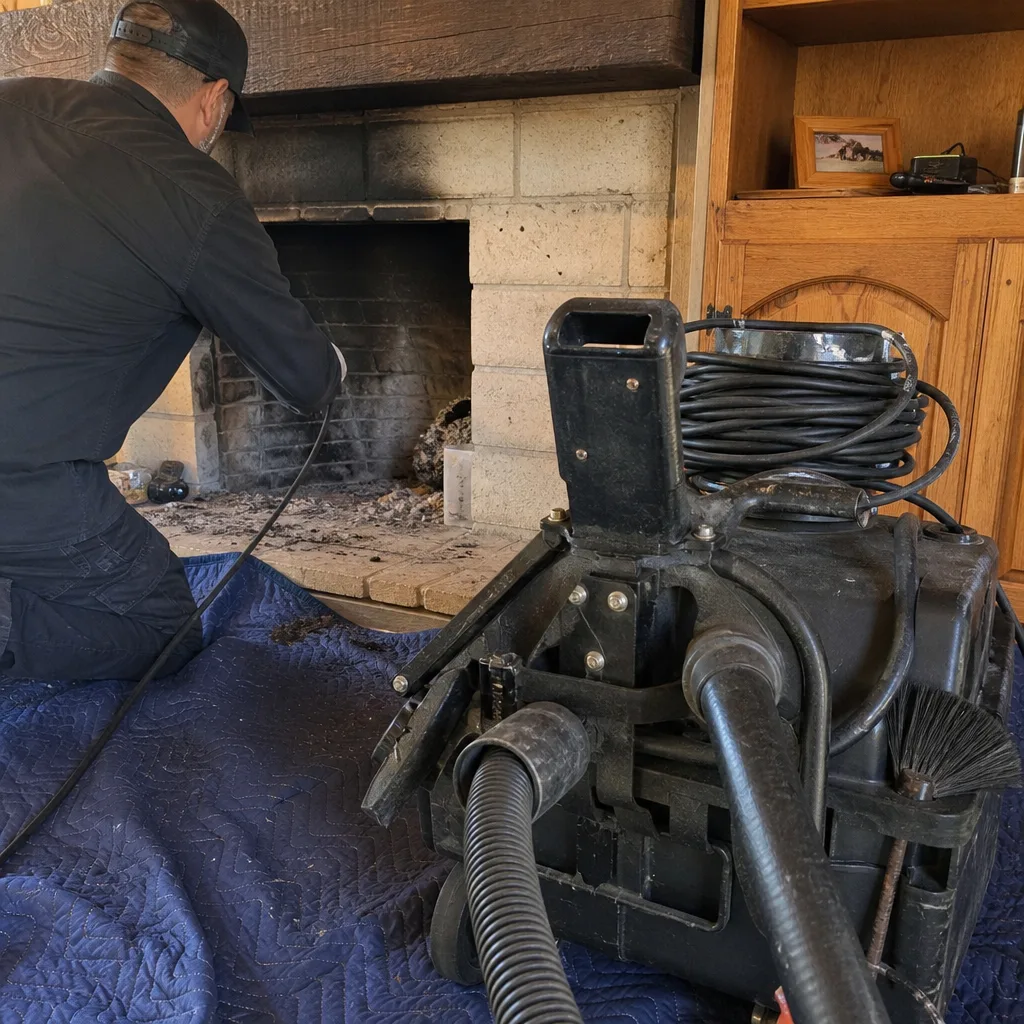 Before
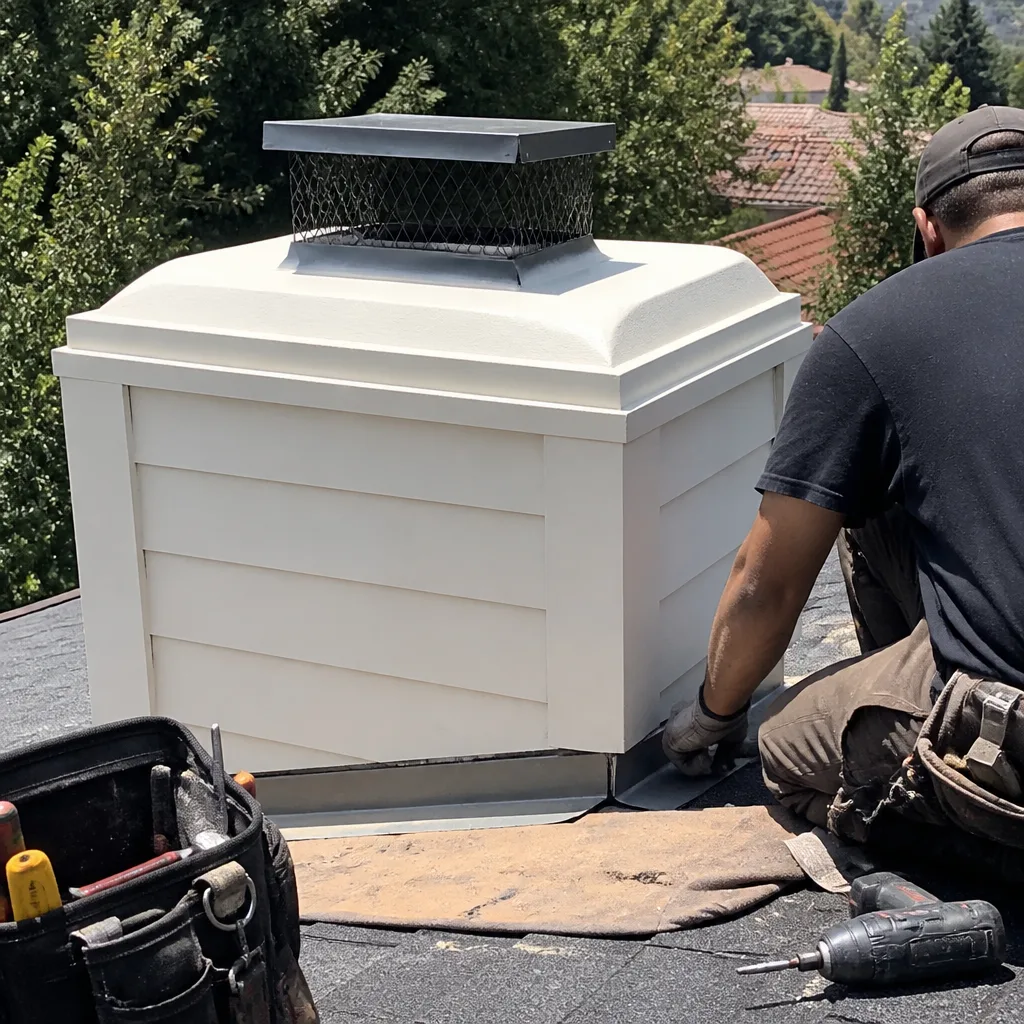 After
After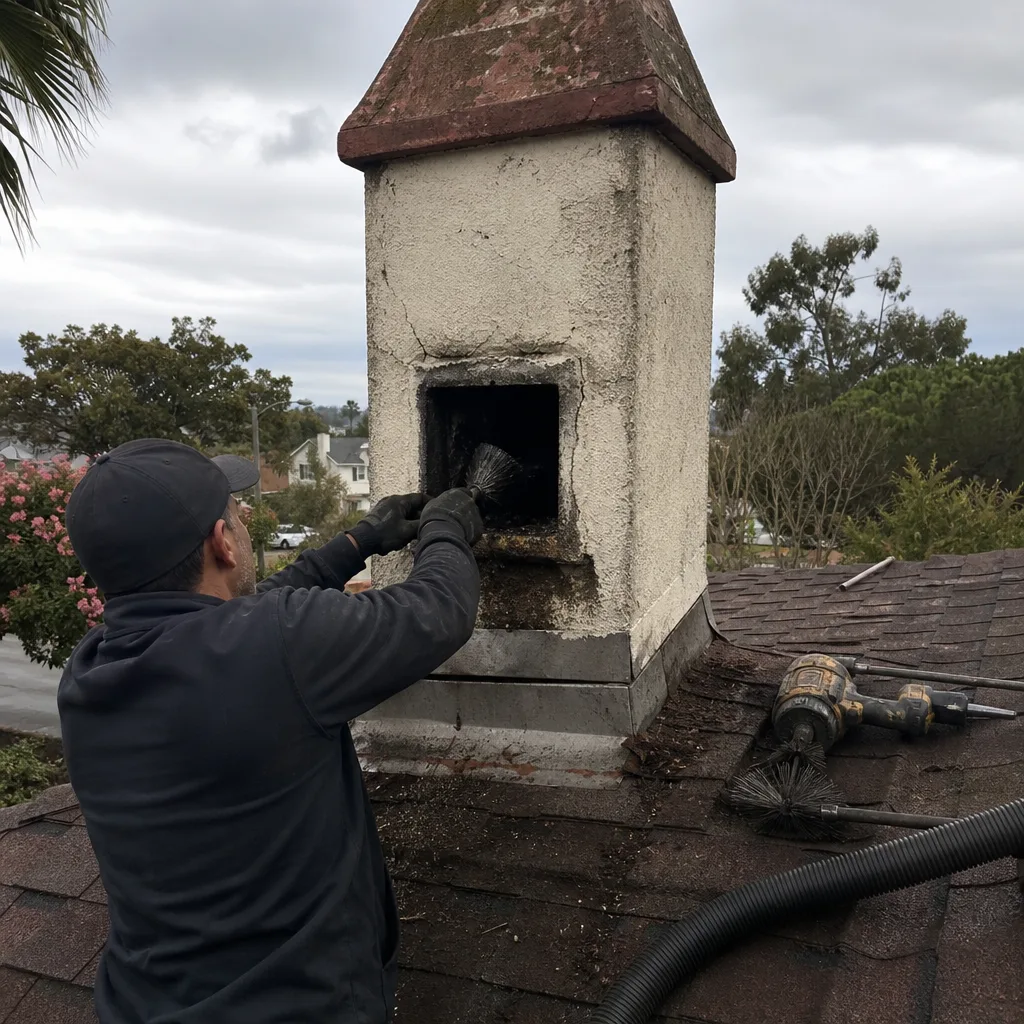 Before
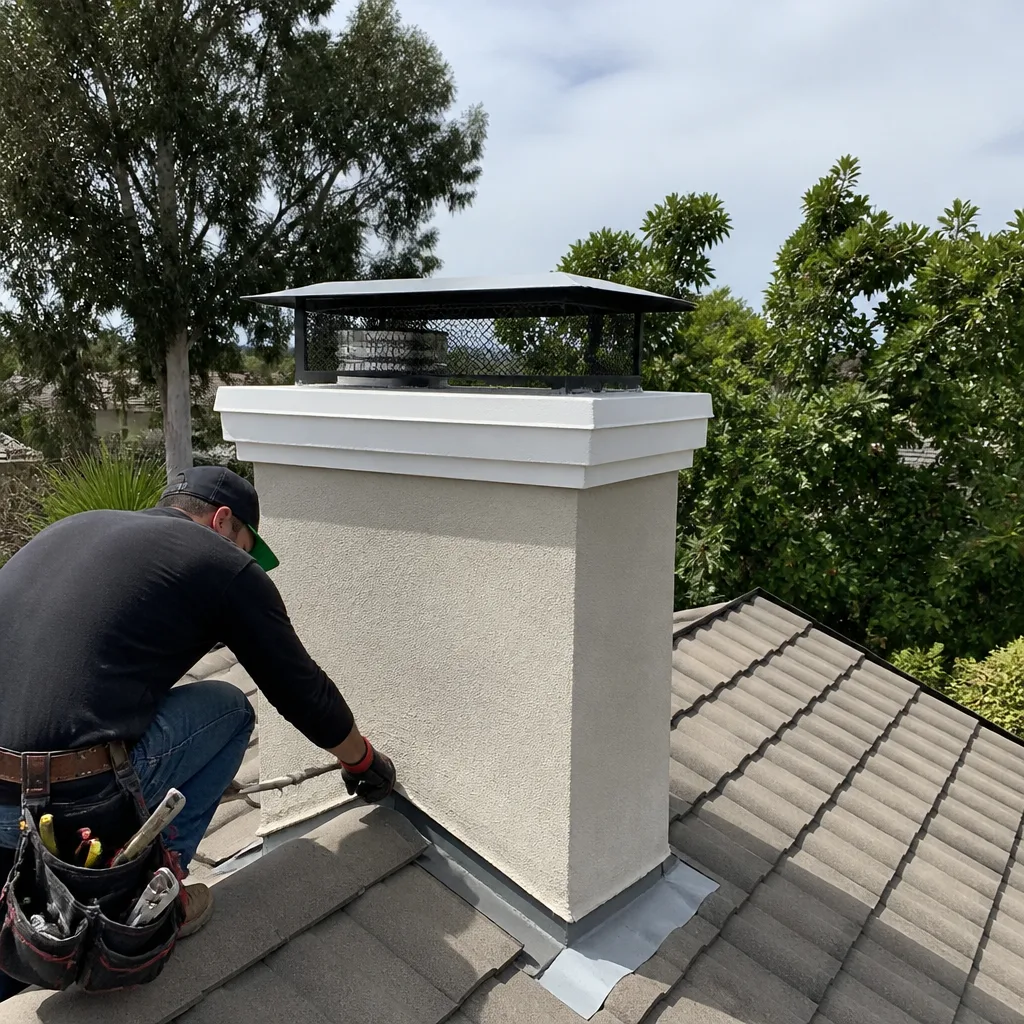 After
After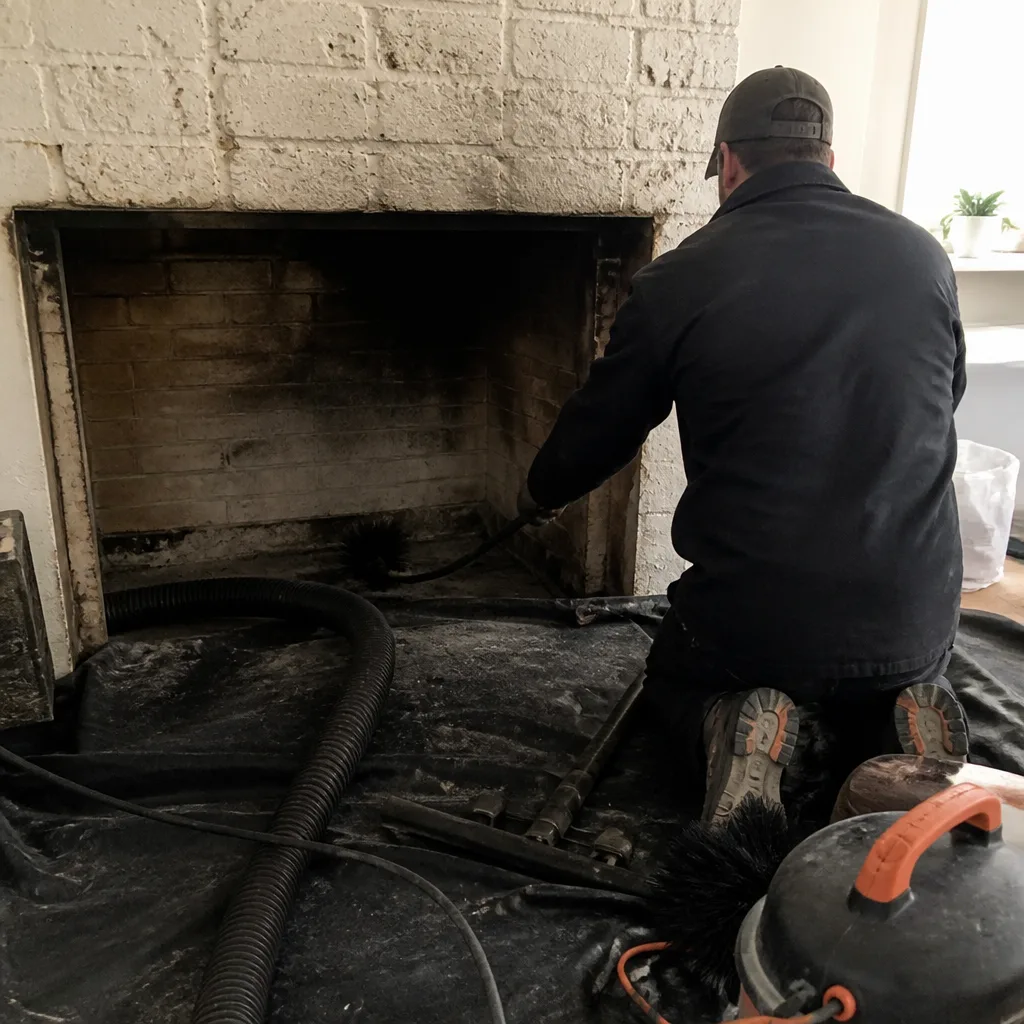 Before
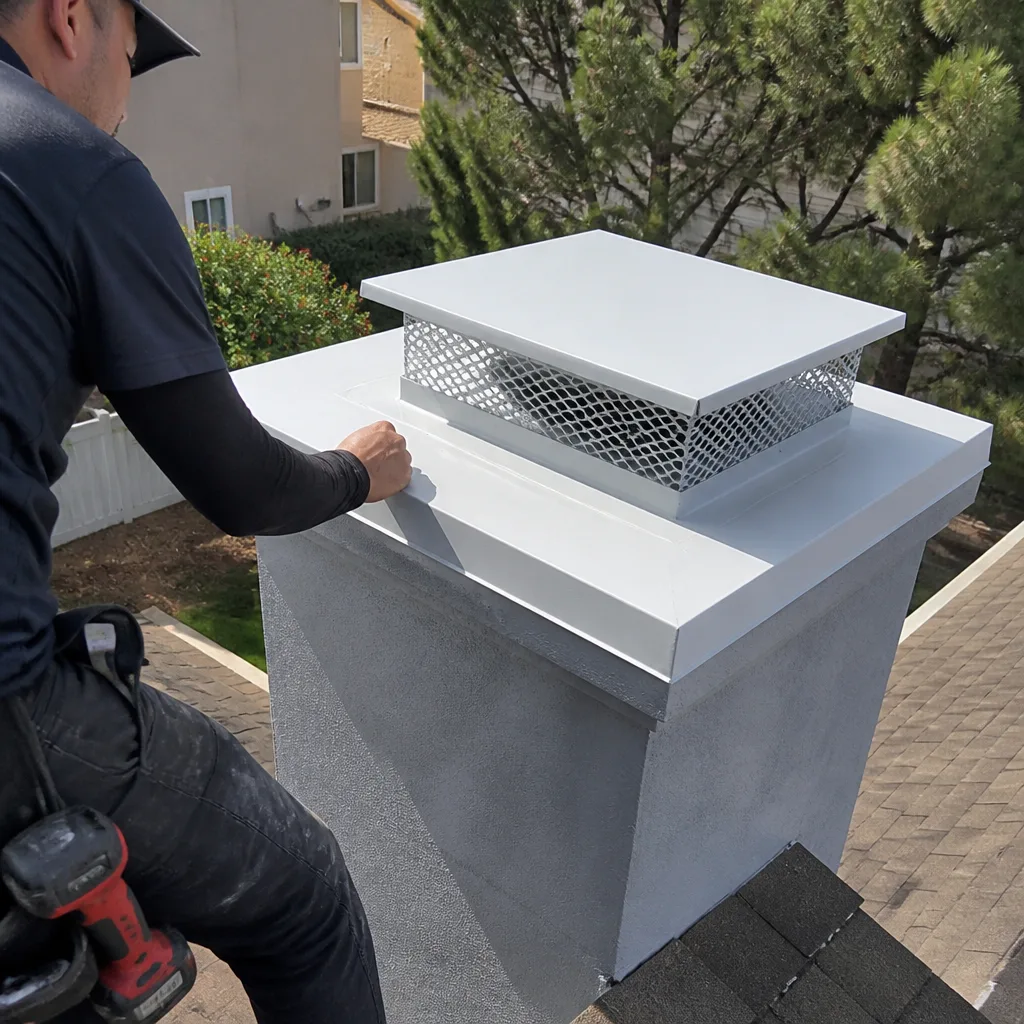 After
AfterReplacement Cost & What’s Included
In San Diego, a Gelco flue liner replacement runs between $2,400 and $4,600 installed, and that’s the number we hand you before any work begins, written down, no surprises at the end. The biggest variable is flue height: a single-story ranch in Clairemont with a 15-foot flue is a different job than a two-story Spanish Revival in Mission Hills with a 35-foot flue and a tricky roof pitch. Access matters too. If we can reach the flue from the roof without a lift, that keeps the price down. If we need scaffolding or a safety harness system, that’s another half day.
What’s included, every time: the new stainless liner sized to your flue, new connectors, a new top plate and rain cap, removal of the old Gelco liner, and a full post-installation draft test. We also do a camera pass after the swap so you can see the new liner seated correctly, seams up, not up and down, the whole length. The Kingswell Guarantee covers this repair in writing. If the liner or the workmanship fails within the guarantee period, we come back and correct it at no charge. That’s the 365-Day Done Right Promise, and it’s not an add-on. It’s printed on your invoice.
DIY or Call Us?
There are things you can safely check on your own, and there are things you shouldn’t touch. If you want to inspect your Gelco liner, you can look for rust staining in the exposed sections, check that the cap isn’t blocked with bird nesting or debris, and, if you have a flashlight and a mirror, take a look at the visible connector joints. What you can’t safely do is remove, replace, or reposition a flue liner yourself. This is vertical work on a roof, often with the flue fully assembled and under tension from the existing liner’s memory coil, and a mis-seated connector joint is not something you can see from the top. If the liner is suspended wrong, you have an invisible leak inside the chimney, which is exactly the failure you’re trying to fix. This is roof-height work with gas exhaust on the other side of the metal. Call us at (619) 693-1499 and let us put a camera on it before you decide anything.
FAQs
Expect 12 to 20 years from a single-wall Gelco liner in San Diego, with ocean-air exposure cutting a few years off the top end in coastal neighborhoods like Point Loma and Ocean Beach because salt accelerates the corrosion rate. Double-wall stainless Gelco liners can go 25 years or more if the connectors were seated right and the cap has been maintained. The honest answer is that the liner should be inspected every year once it passes the decade mark. Call (619) 693-1499 and we’ll put a camera on it and tell you exactly where it stands, no charge for the estimate.
In almost every case, no. Once a Gelco liner shows rust-through, seam separation, or cracking, patching doesn’t work because the remaining wall is already too thin to hold a patch or a weld. We don’t recommend band-aids on flue liners. Save the money from a partial repair and put it toward a replacement that’s over with in a day, with a written guarantee. Call (619) 693-1499 for a straight answer on whether your liner has any useful life left.
Most Gelco liner replacements in San Diego take between four and eight hours, start to finish. If we have the correct liner diameter and length on the truck, we can complete the job same-day in a single visit. The actual hands-on time breaks down to the old liner removal, sizing the replacement, dropping and connecting the new liner, securing the top plate and cap, and the post-install draft test. We’ll give you a real arrival window before we come out, and the job’s done before dinner.
Yes. We keep Gelco-compatible stainless liners in the most common San Diego sizes on the truck, 4-inch through 7-inch, plus connectors, top plates, and caps. For flues that fall outside that range or need a custom length, we order from DuraFlex and HeatShield, both reputable chimney-trade brands we’ve worked with for years. You don’t wait weeks. You call us at (619) 693-1499, we come out, we measure, and in most cases the replacement happens the same day.
Written by Nathan Corliss, Owner, Ashby Chimney San Diego at Ashby Chimney San Diego, serving San Diego and nearby areas.