
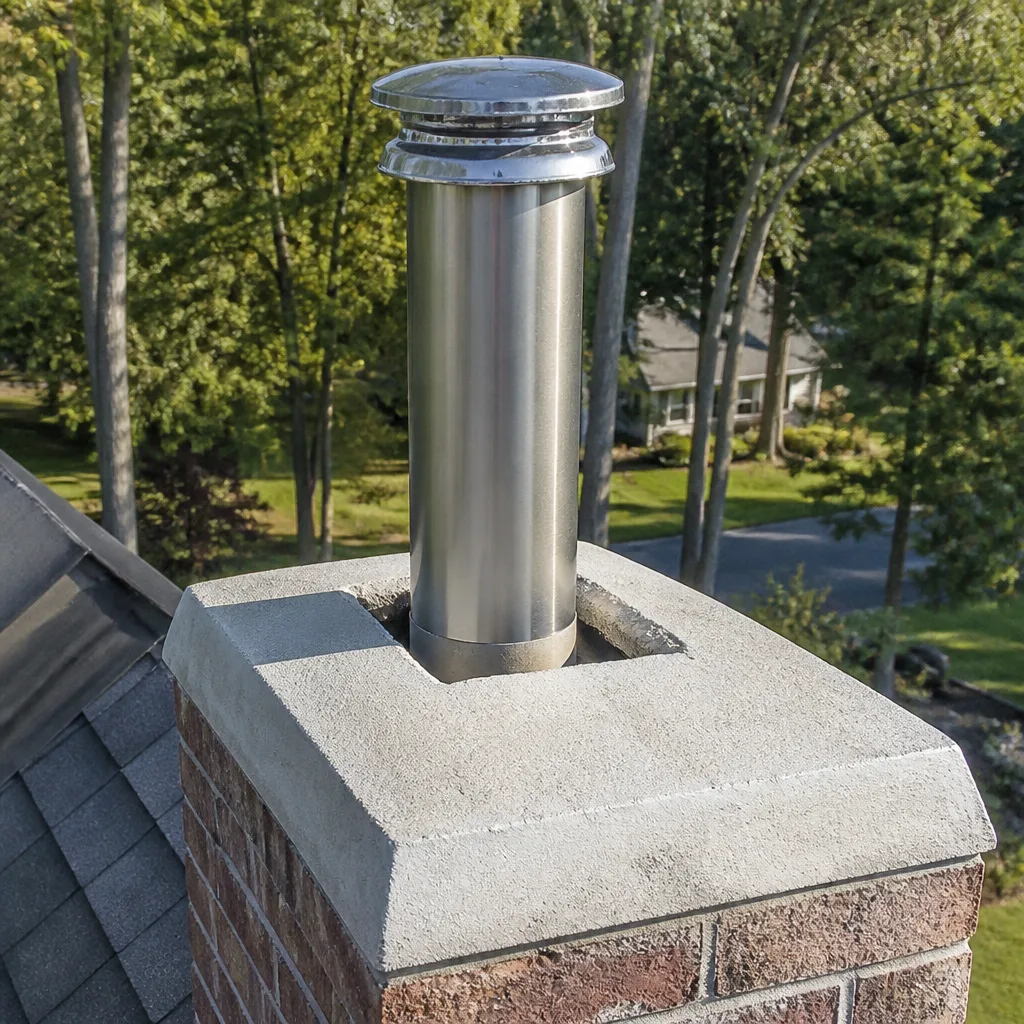
 Flue relining
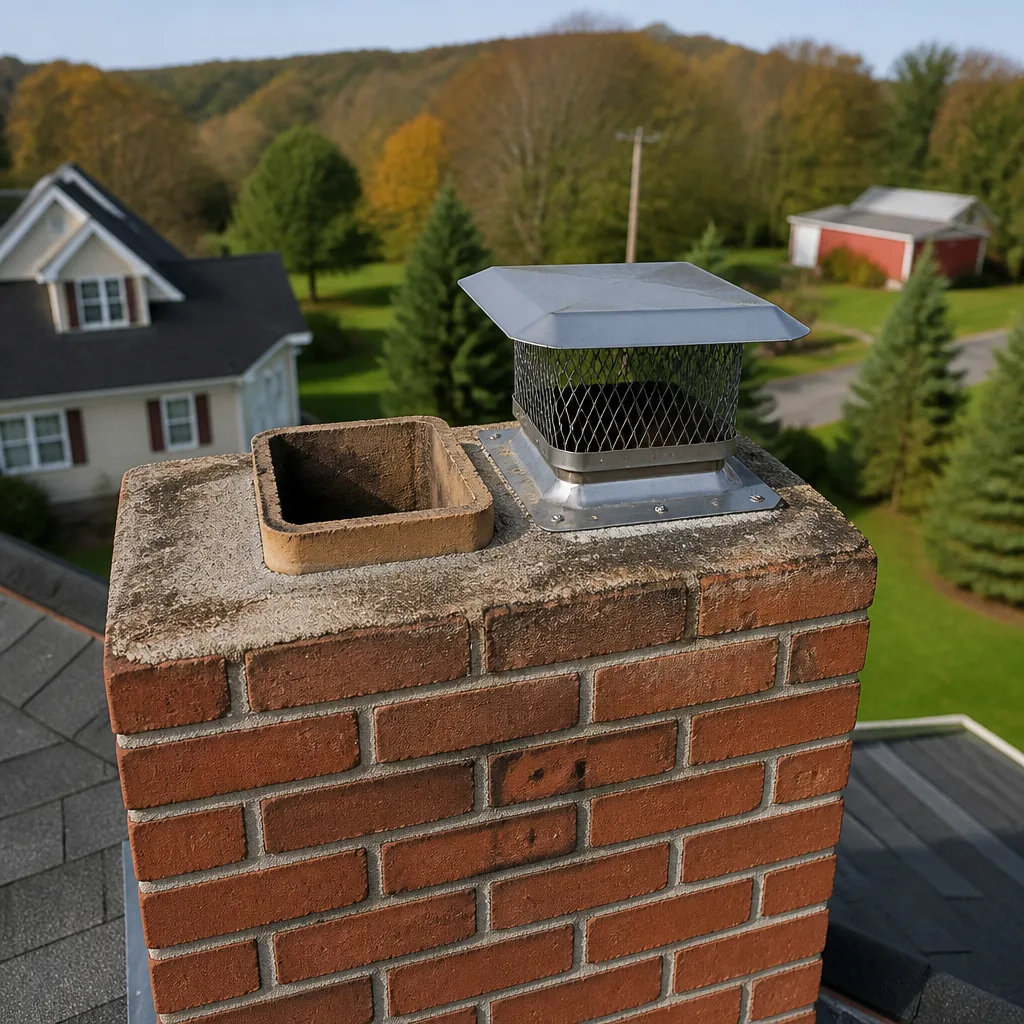 Sweep & inspection
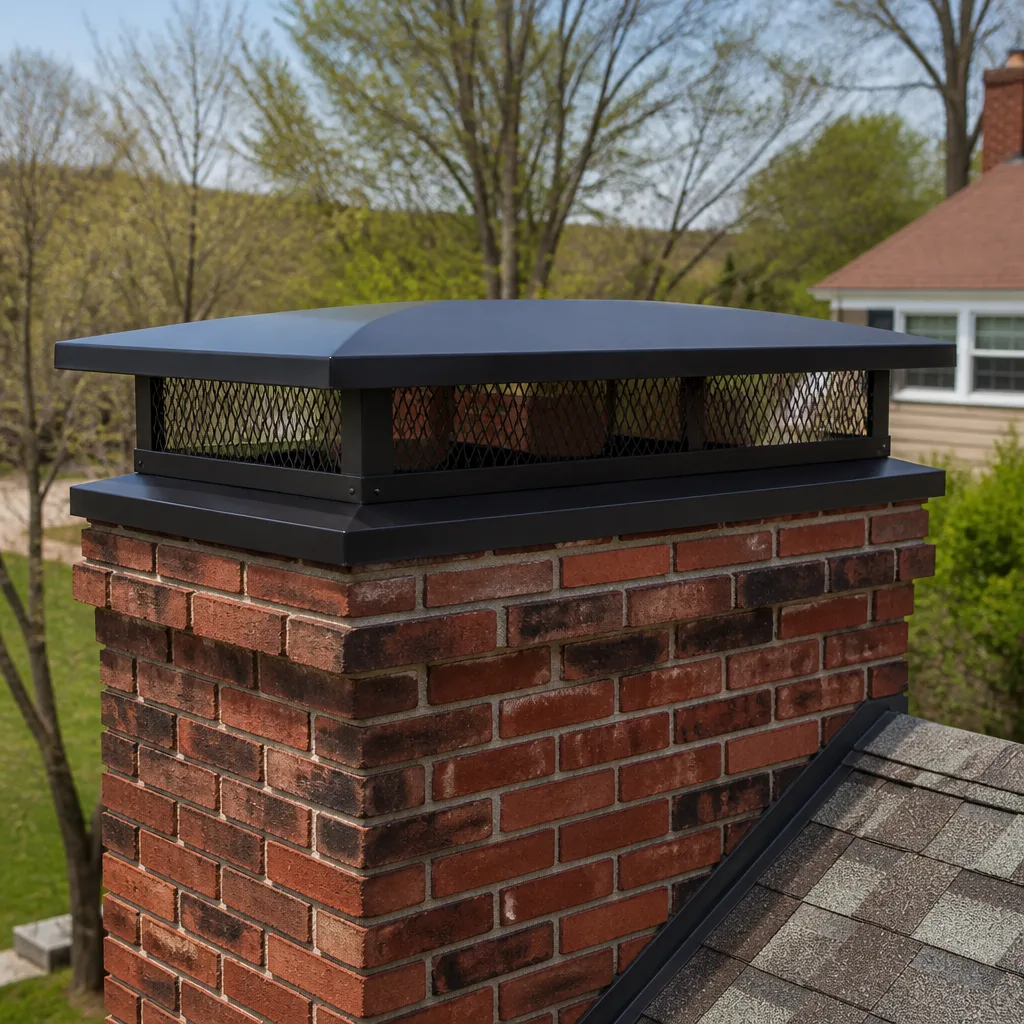 Caps & crowns
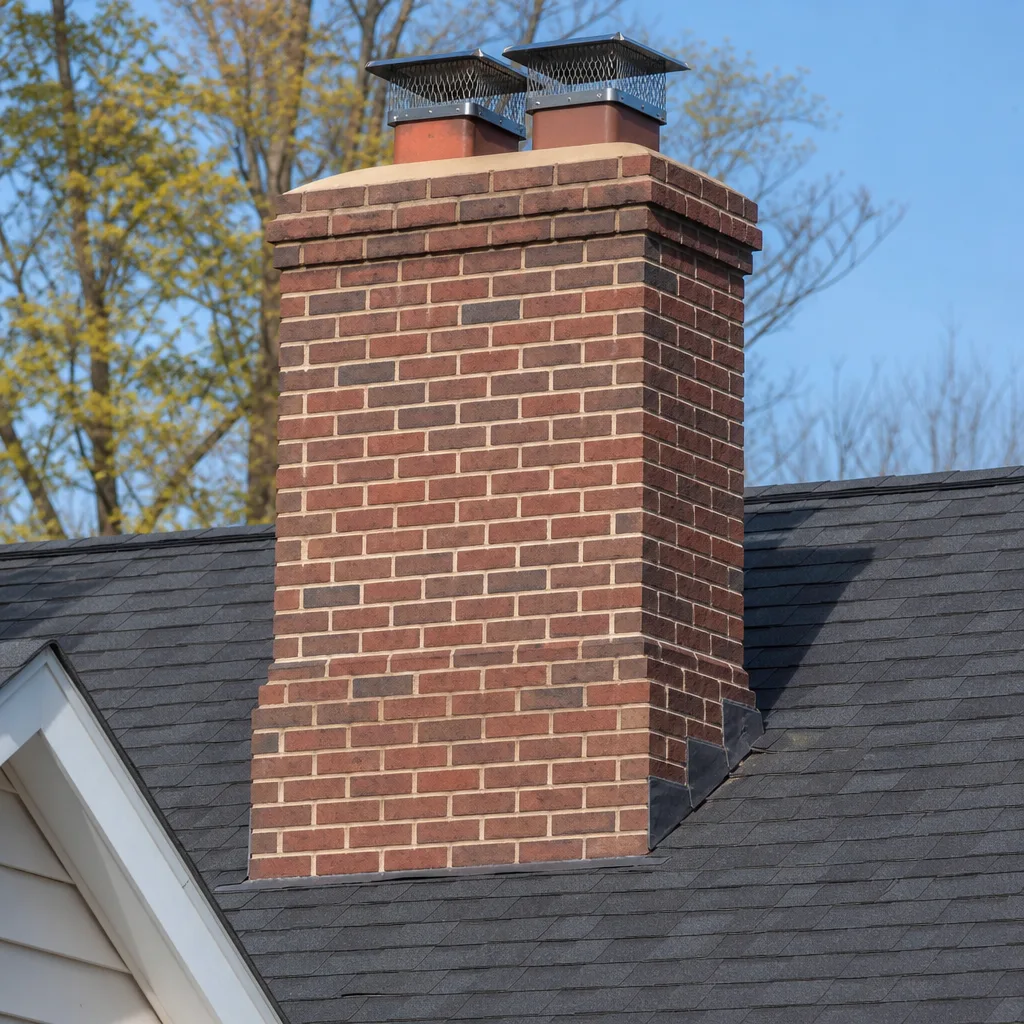 Masonry repair
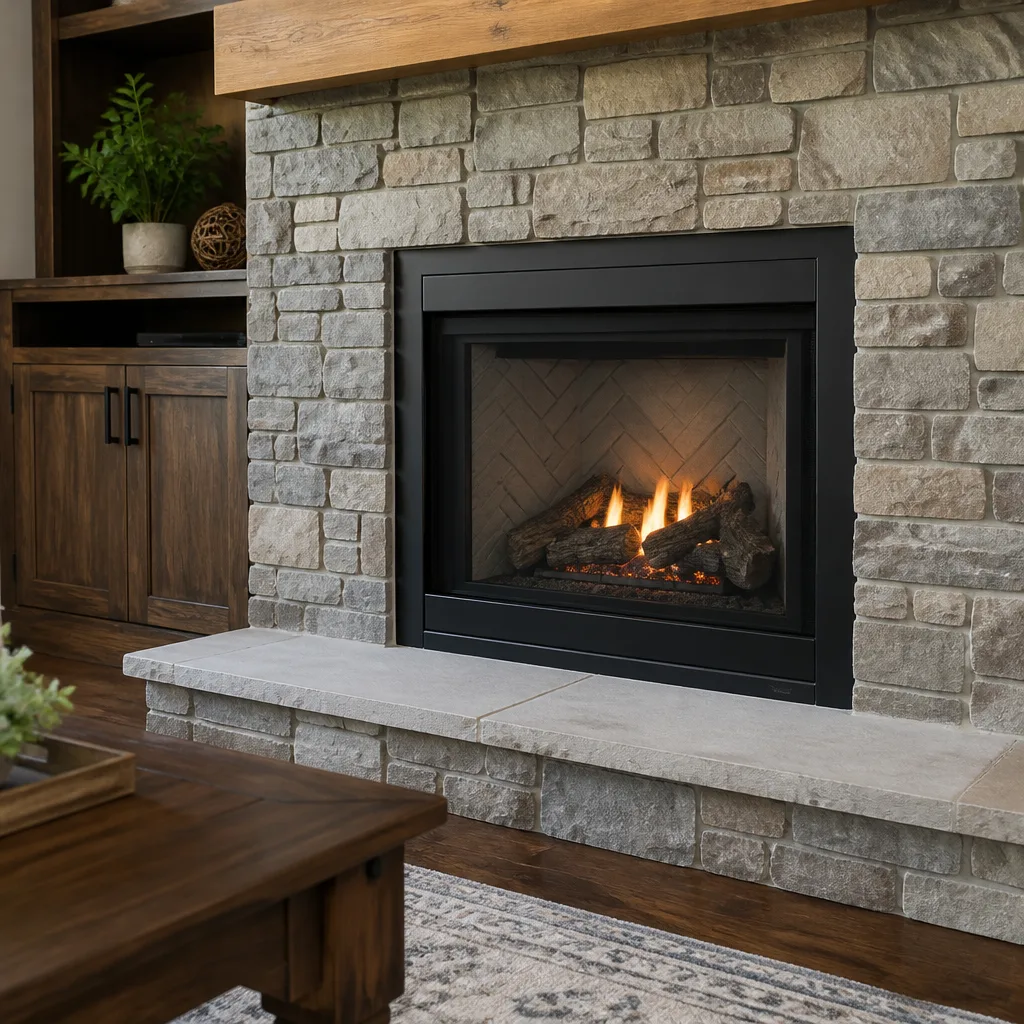 Gas fireplace service
Level 1 sweep and inspection to the NFPA 211 annual standard - flue, crown, cap, and flashing checked and photographed
Chimney sweep logs do not sweep chimneys. They loosen some creosote - which then falls where a brush and vacuum still have to collect it.
Copperfield Flue Liner Replacement: The San Diego Owner’s Guide
We stock and install Copperfield-compatible flue liner replacements across San Diego, with most installed jobs landing between $1,800 and $4,200 depending on liner diameter, length, and whether it’s a single-story or two-story run. We identify your Copperfield spec on the first visit, give you a written price before any work starts, and most replacements are completed in a single day. The usual path here starts with a chimney inspection that turns up a cracked or separated liner section, or a homeowner who noticed flue tile fragments in the firebox after a sweep.
Copperfield liners fail the same way most stainless liners do in our coastal climate: the thin metal surrenders to years of acidic combustion gases and the salt-laden air that works its way into older chimneys. In San Diego neighborhoods like Clairemont and North Park, we routinely see Copperfield liners from the 1990s and early 2000s that have finally reached the end of their service life. The good news is that replacing a Copperfield liner is straightforward work when you know the model, and we’ve done enough of these to match your setup without guesswork.
Which Copperfield Models This Applies To
Copperfield has produced several generations of chimney liners, and the replacement path depends on which one you have. The most common in San Diego homes are the Copperfield 316L stainless liners, typically in 5.5-inch, 6-inch, and 7-inch diameters, matched to wood-burning or gas appliances. Some older installations use Copperfield’s aluminum liners, which were popular for gas-only systems and are generally the first to fail because aluminum corrodes faster than stainless under sustained heat and moisture.
The compatibility gotcha we see here is this: Copperfield’s early aluminum liners are not a direct swap for the stainless models. The connector hardware, top plates, and rain caps are not always interchangeable between the two materials, so if you’re replacing an aluminum Copperfield liner, you may also need the matching stainless termination kit. We determine this by measuring the liner’s inside diameter, checking the appliance collar size, and noting whether the run is straight or offset. We are an independent service provider and not affiliated with Copperfield, but we use their components as well as quality equivalents from DuraFlex, HeatShield, and Gelco when the application calls for it.
Styles & brands we work with
Signs Your Copperfield Flue Liner Replacement Is Failing
Here’s what typically tells us a Copperfield liner is done:
- Flue tile debris in the firebox or at the base of the chimney. When a stainless liner gets pinholed or the joints separate, bits of the original clay tile behind it start breaking loose. You’ll see small chunks or gritty sand where it doesn’t belong.
- Rust streaks or staining on the chimney cap or chase cover. In San Diego’s marine air, a failing Copperfield liner often shows rust weep lines before the interior damage is obvious. This is especially common in coastal spots like Ocean Beach and Pacific Beach.
- A fluttering or backdrafting flame in gas fireplaces. A compromised liner disrupts the draft, and a gas flame that dances or sputters with the damper open is a common early warning in gas insert setups.
- Exhaust odor inside the home, even when the fireplace isn’t running. Once the liner breaches, combustion gases and the smell of old creosote can push into living spaces during weather changes or when kitchen exhaust fans run.
- Visible corrosion on the liner itself during an inspection. If you can see blistering, scaling, or gaps where liner sections meet, the metal has lost its integrity and needs replacement rather than patching.
None of these signs should be ignored. A failed liner is a path for carbon monoxide into your home and a fire risk in the surrounding framing. We treat liner failures as a repair to schedule promptly, not an upsell.
See the difference
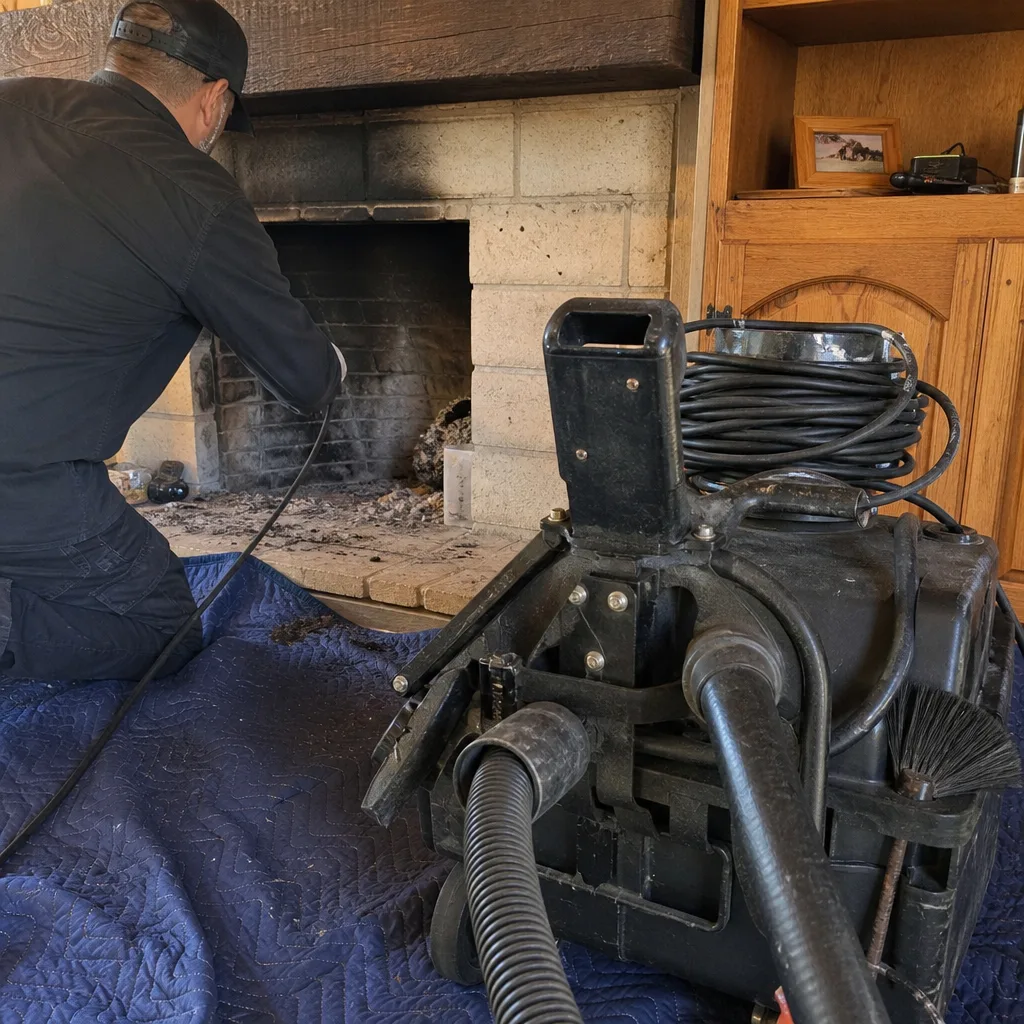 Before
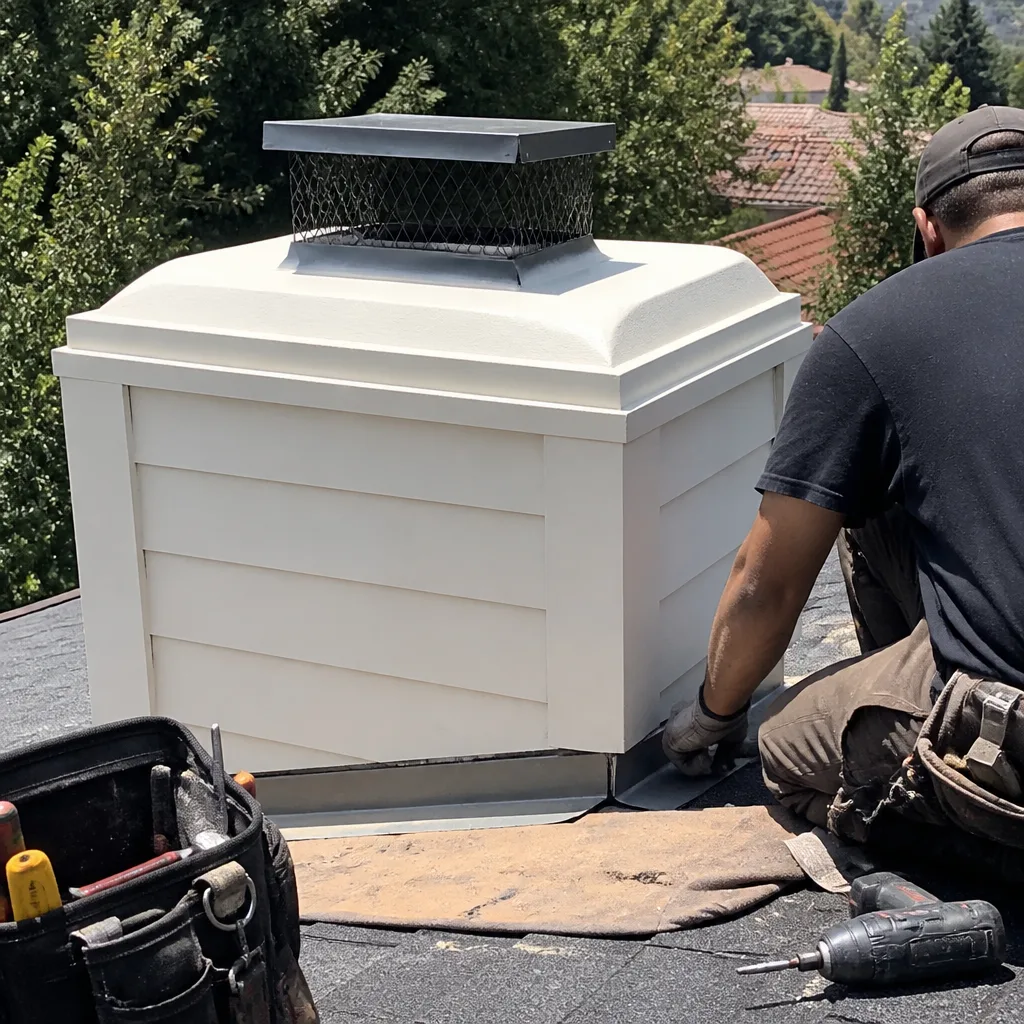 After
After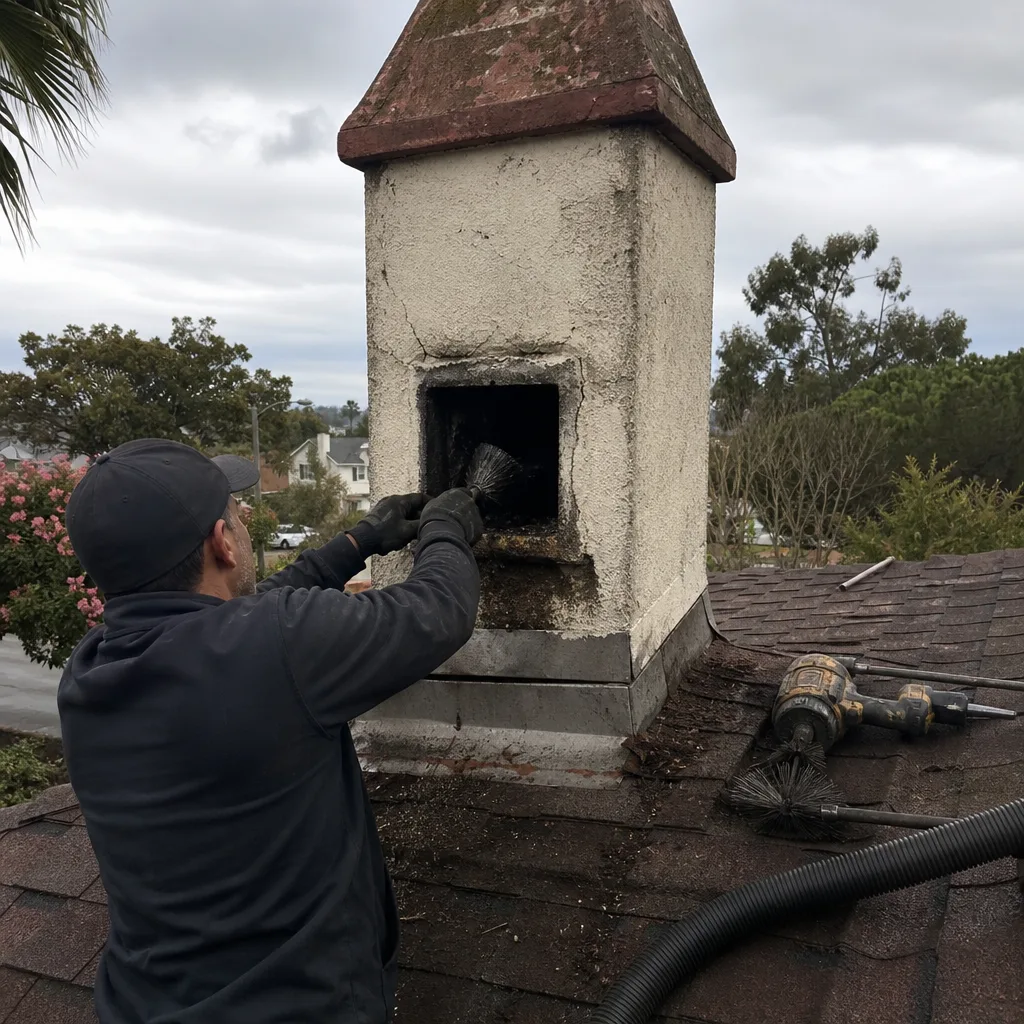 Before
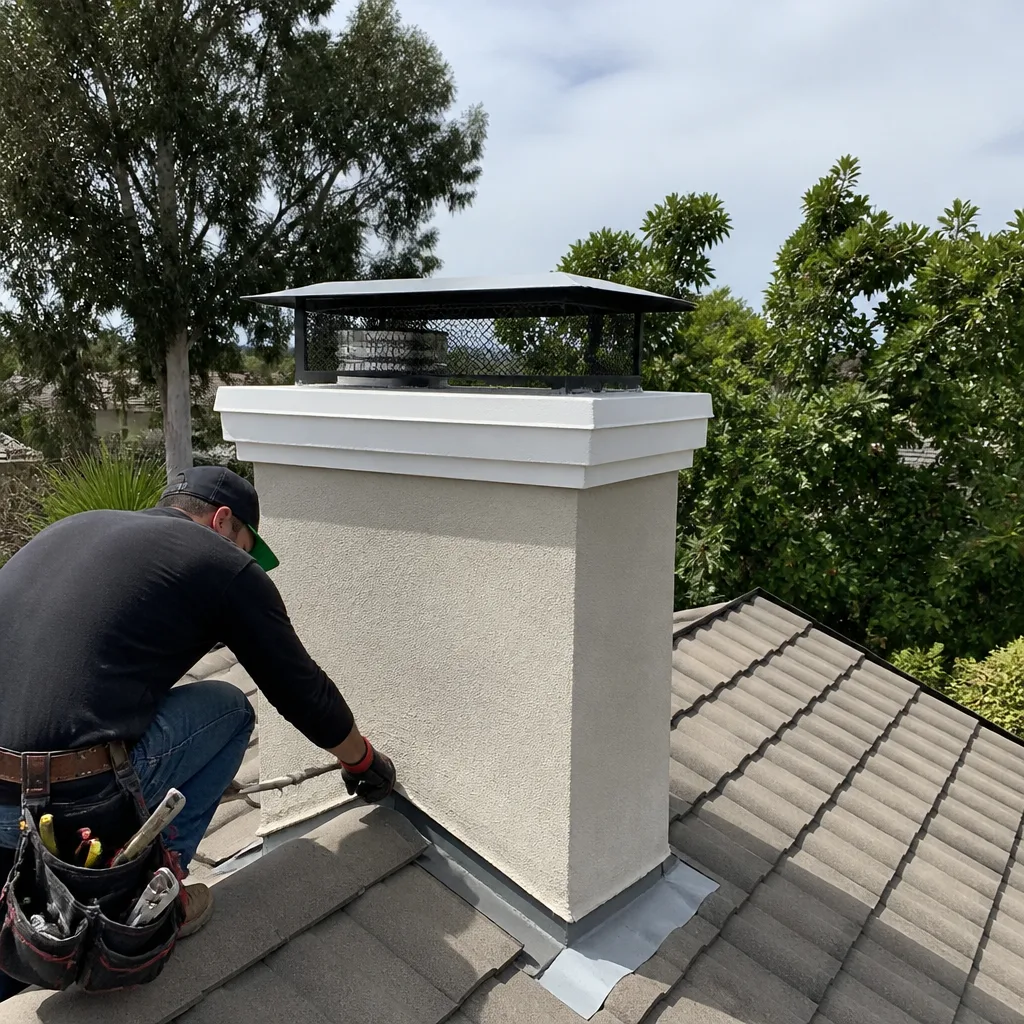 After
After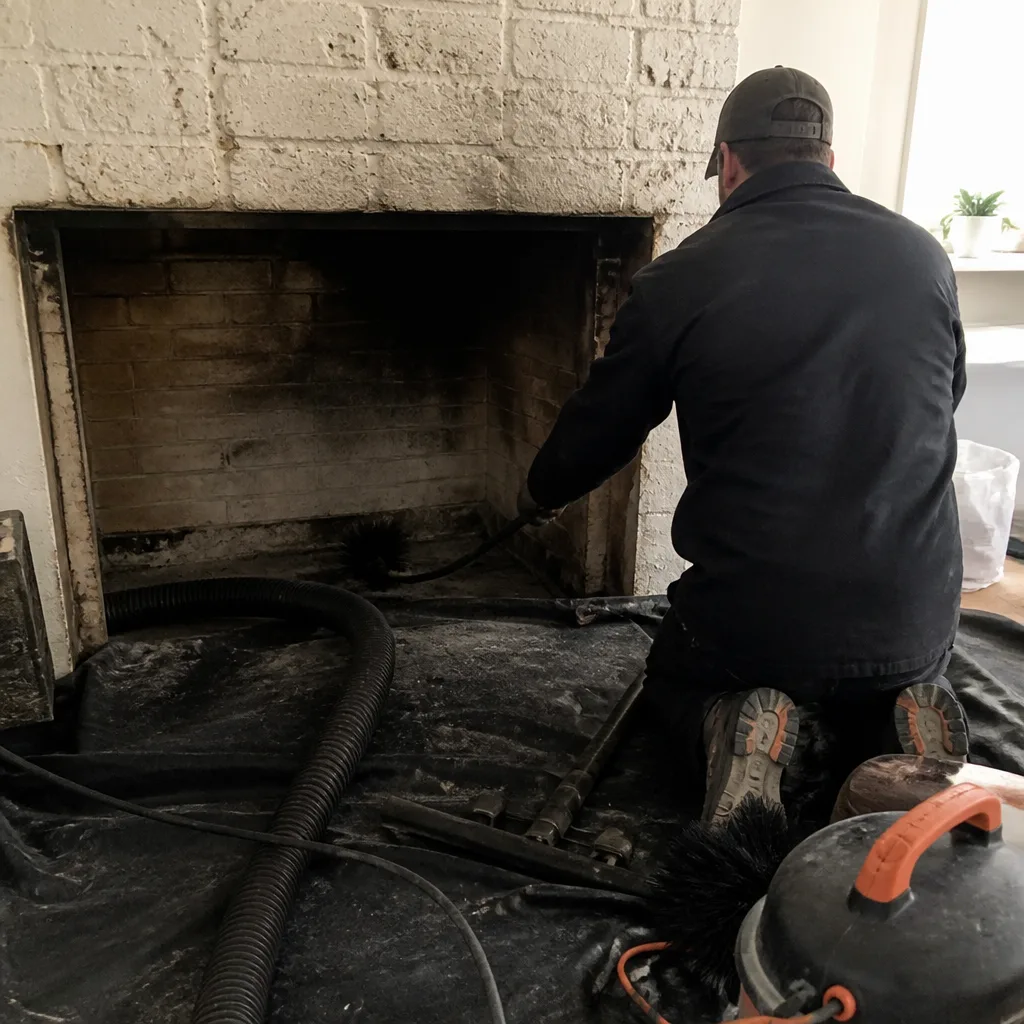 Before
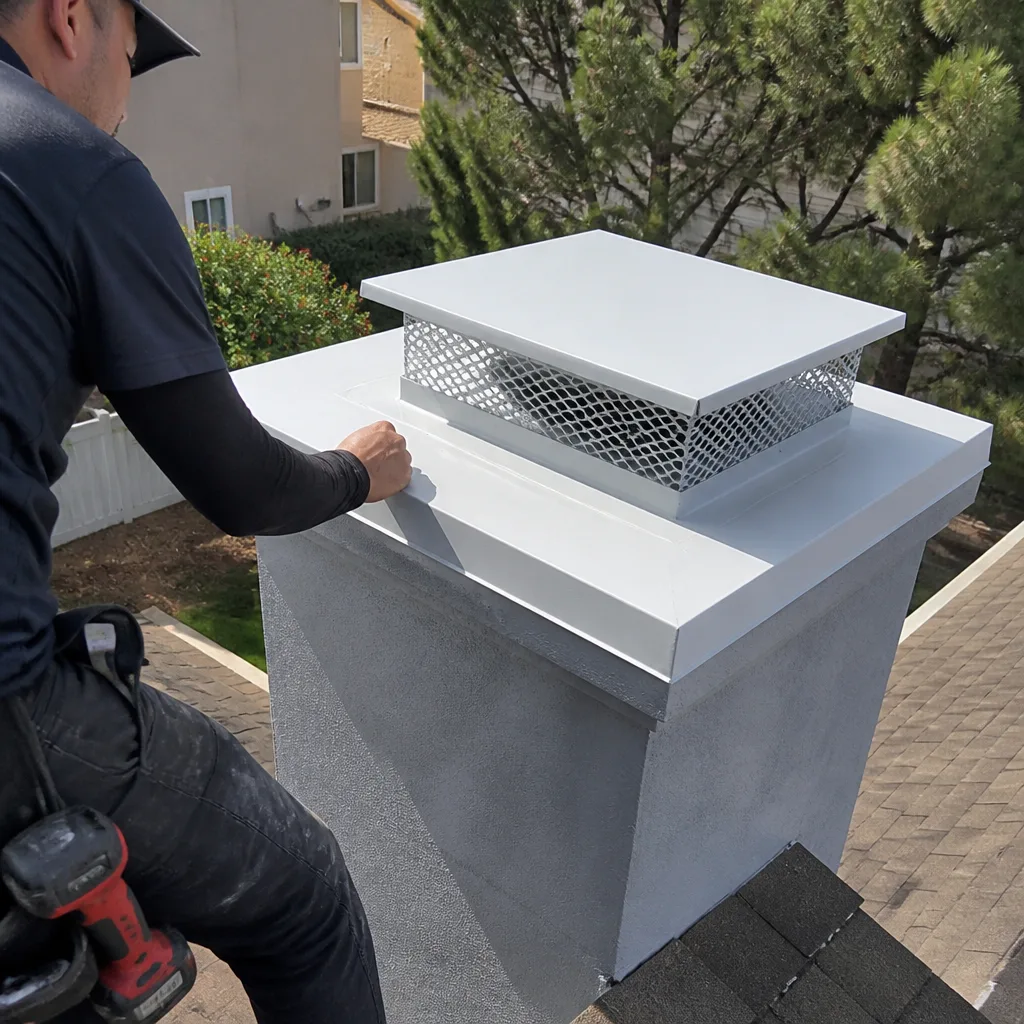 After
AfterReplacement Cost & What’s Included
| Liner Type | Typical Installed Range (San Diego) |
|---|---|
| Copperfield 316L stainless, 6-inch, single story | $1,800 – $2,600 |
| Copperfield 316L stainless, 6-inch, two story | $2,600 – $3,800 |
| Copperfield 7-inch stainless, two story | $3,200 – $4,200 |
| Aluminum-to-stainless conversion (incl. termination kit) | Add $250 – $450 to base liner cost |
What drives the range is access. A straight single-story run in a mid-century ranch in Clairemont is a different job than a two-story chimney in Del Cerro with a steep roof pitch and a tricky chase. Every Copperfield replacement we do in San Diego includes the liner, connector hardware, a new top plate and rain cap, and a camera inspection of the full run before and after so you see exactly what was in there and what’s now in place. The written price covers all of it, and the 365-Day Done Right Promise applies to the full installation: if the liner fails within the guarantee period, we return and correct it at no charge.
DIY or Call Us?
If your Copperfield liner has failed, this is not a job to attempt on your own. A liner replacement requires working from the roof, pulling sections through a chase, and properly terminating the system to code standards. One wrong connection at a joint and the liner can shift, kink, or leave a gap that defeats the entire purpose. Falls from chimney work are among the most common roofing injuries, and the equipment involved isn’t worth the risk for a one-time repair.
What you can safely do is check for the visible signs we listed above. Take a look at your chimney cap for rust, check the firebox for debris, and note any odor changes. Then call (619) 693-1499 and we’ll do the rest. Nathan sketches every liner layout for customers because it’s easier to make a good decision when you understand what’s actually in the wall. Say the price first, explain the work, put the promise in writing.
FAQs
A 316L stainless Copperfield liner in the San Diego area typically lasts 15 to 25 years, though coastal exposure in neighborhoods like Point Loma can shorten that to 10 to 15 years if the termination cap isn’t maintained. Aluminum Copperfield liners usually age out in 8 to 12 years under the same conditions.
Most Copperfield liner failures cannot be safely patched. Joint separation can sometimes be refastened, but pinholes, corrosion scaling, and split seams in the metal itself mean the only responsible fix is section replacement or a full new liner run. We’ll show you the camera footage before we ever recommend a full replacement, and if a repair is viable, that’s what we’ll quote. Call (619) 693-1499 for an exact assessment.
A standard single-story Copperfield liner replacement takes 3 to 5 hours on site, including old liner removal, new liner installation, termination hardware, and a post-install camera verification. Two-story or offset runs can extend that to a full day, and we’ll tell you before the appointment which to expect.
We keep common Copperfield-compatible stainless liners on the truck in 5.5-inch, 6-inch, and 7-inch diameters, along with the matching connectors and caps. If your setup needs a specific length or an unusual diameter, we source it from our chimney-trade suppliers, usually within a day or two. We’re an independent installer, not a Copperfield dealer, so we match your existing system with Copperfield or equivalent components from brands we trust like DuraFlex, HeatShield, and Gelco.
Written by Nathan Corliss, Owner, Ashby Chimney San Diego, serving San Diego and nearby areas.