
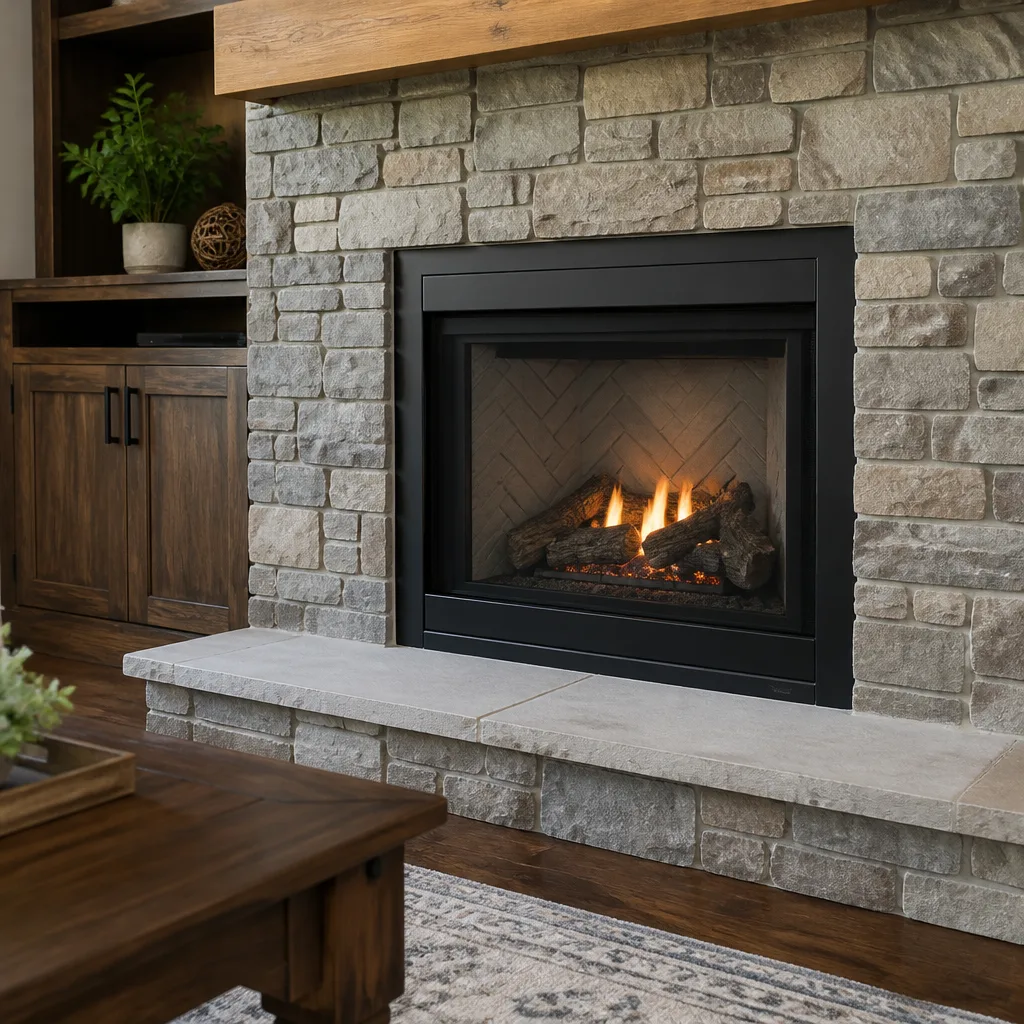
 Gas fireplace service
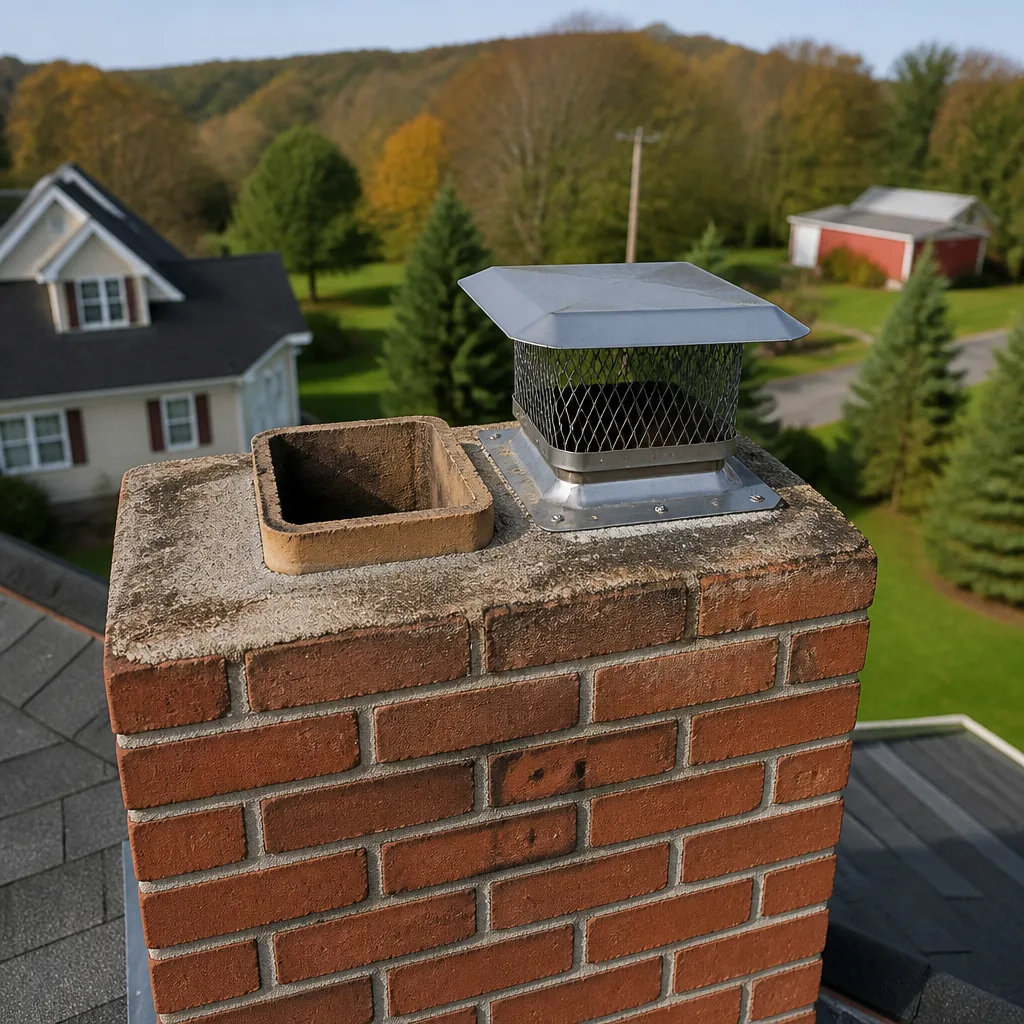 Sweep & inspection
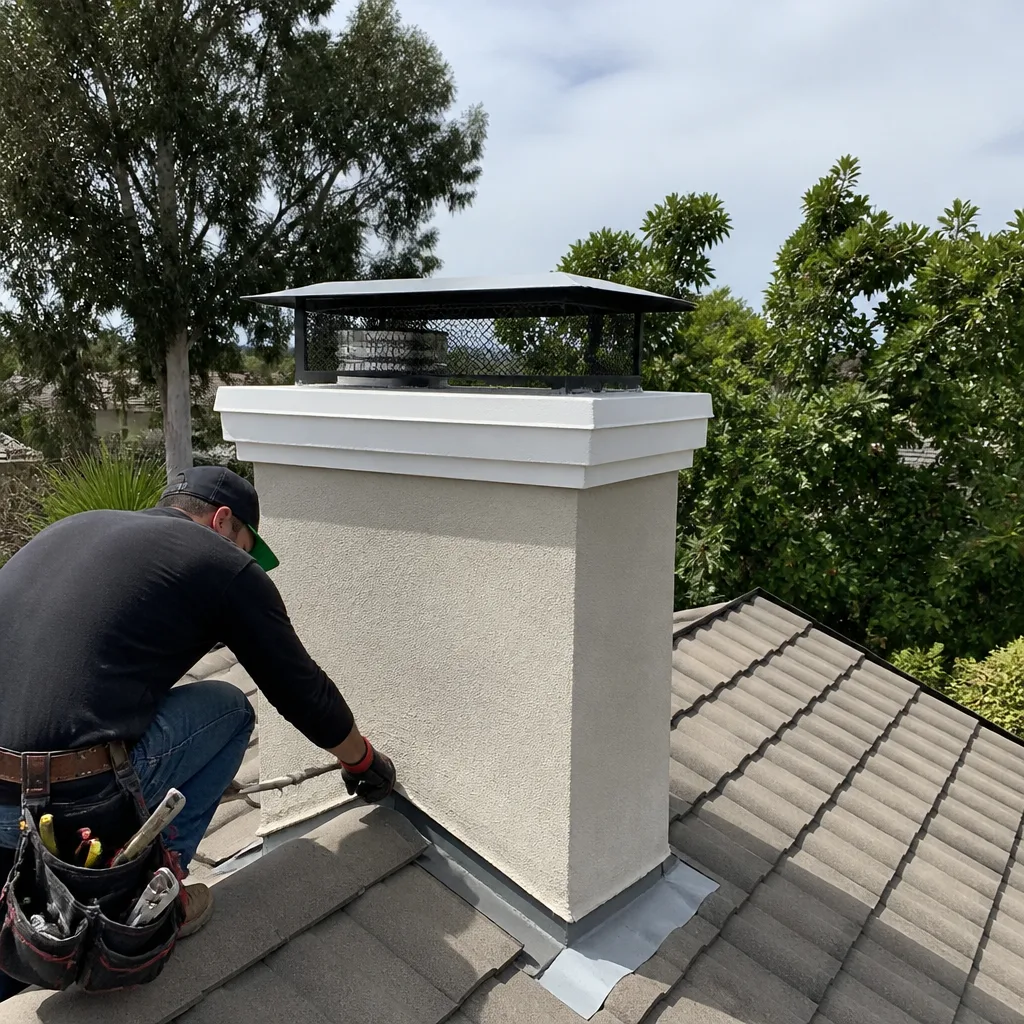
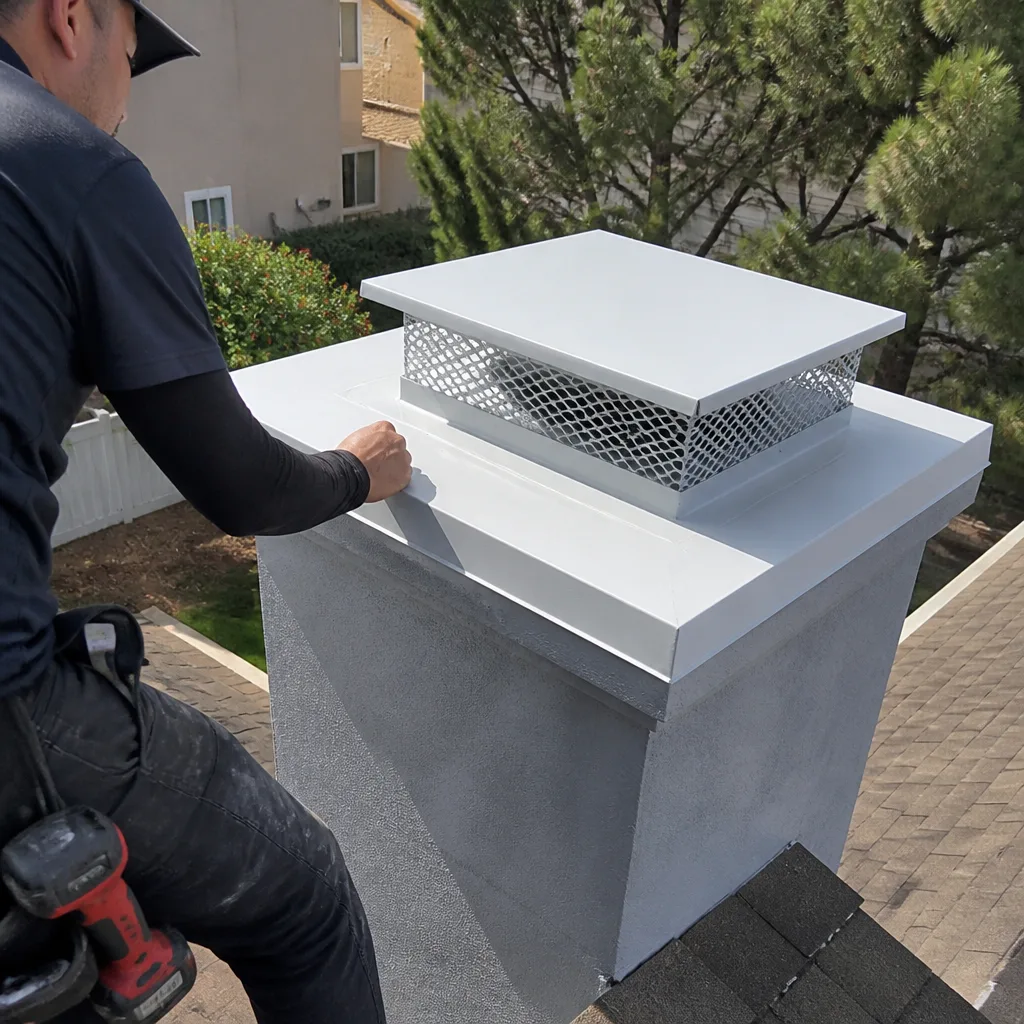
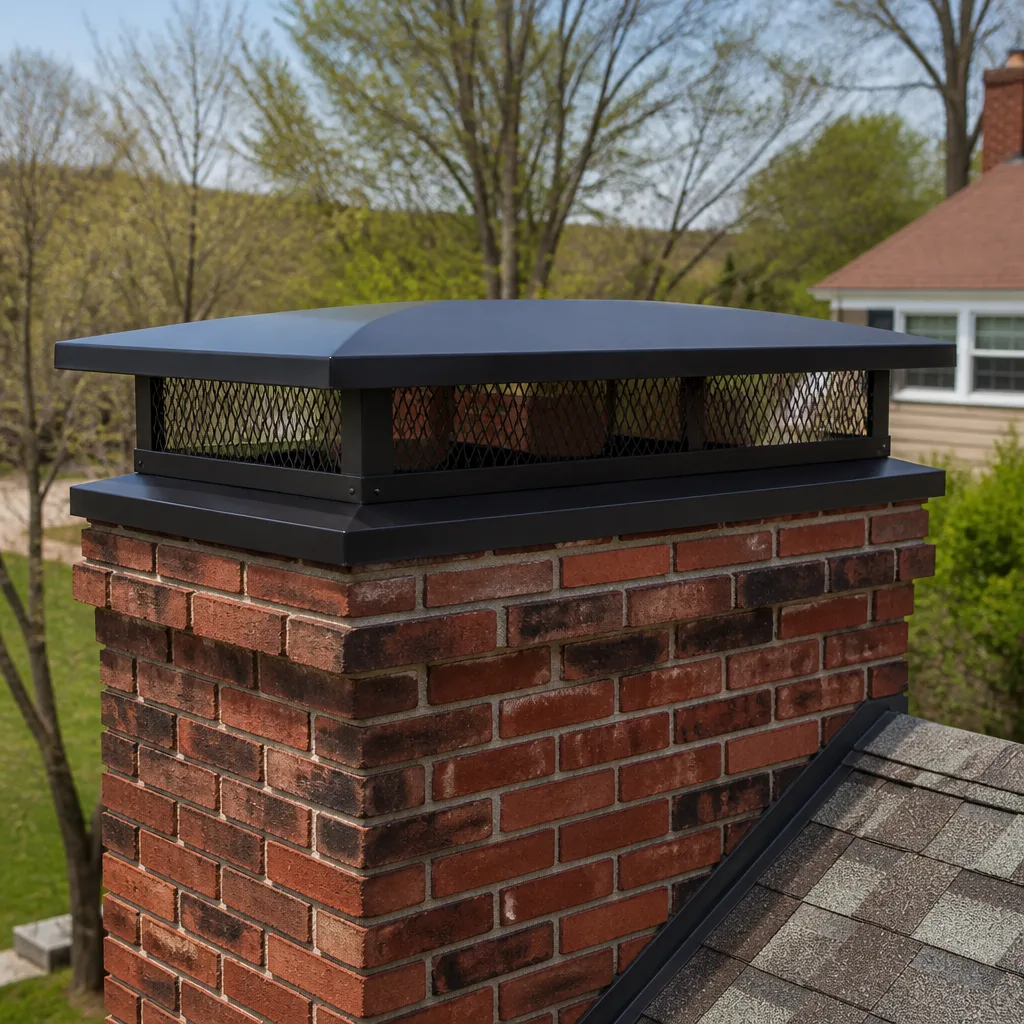 Caps & crowns
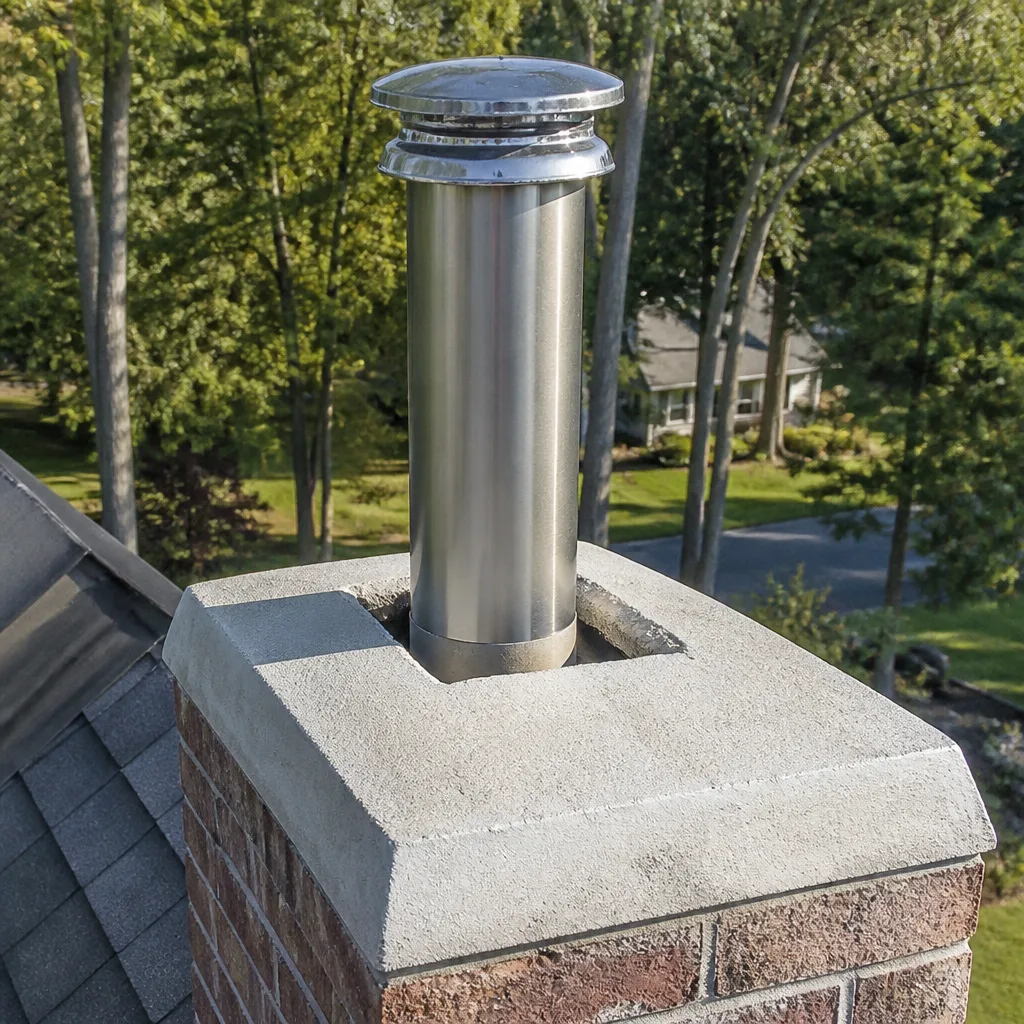 Flue relining
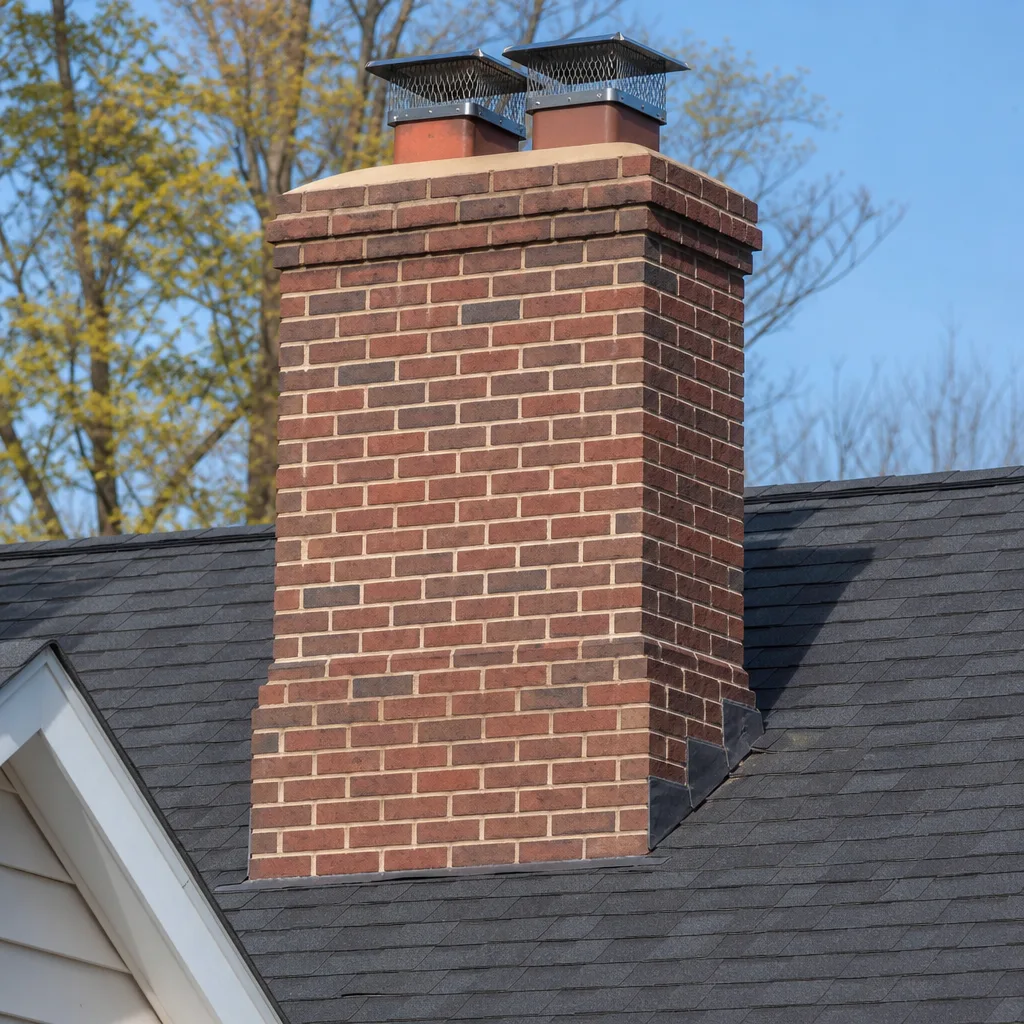 Masonry repair
Level 1 sweep and inspection to the NFPA 211 annual standard - flue, crown, cap, and flashing checked and photographed
Chimney sweep logs do not sweep chimneys. They loosen some creosote - which then falls where a brush and vacuum still have to collect it.
Why San Diego Homeowners Choose HeatShield Chimney Cleaning
We provide independent San Diego Heatshield service for chimney cleaning and repair, and we’ve worked with HeatShield cerfractory flue sealant systems across the county for over a decade. Most HeatShield problems we see aren’t product failures; they’re installation shortcuts, moisture intrusion, or seismic stress that cracked the original pour. Our HeatShield work is different because we always camera-inspect the flue before recommending anything, so you see exactly what we see before a dollar changes hands. Call (619) 693-1499 for a straight answer.
We’re not a HeatShield authorized dealer, and we won’t pretend to be. We’re an independent San Diego chimney company that has built its reputation on showing you the problem before quoting the fix. That’s how Nathan Corliss runs this crew, and it’s why homeowners from Oceanside to Heatshield in Chula Vista call us when a previous HeatShield repair starts flaking or leaking smoke. We use genuine HeatShield cerfractory products because chemical compatibility matters when you’re working on an existing repair; mixing brands on a flue liner is how you end up with delamination and a second failure. But we’re just as comfortable telling you a section is fine and can wait.
Why Trust Ashby Chimney San Diego for Your HeatShield Chimney Cleaning?
HeatShield is a specific system with specific application requirements, and it behaves differently in San Diego than it does in Phoenix or Denver. Our techs know the difference. Nathan spent his early twenties in the building construction program at Los Angeles Trade-Technical College, mostly HVAC and venting work before chimneys became the focus. That venting background matters when you’re diagnosing a HeatShield flue that’s spalling near the smoke chamber, because the failure is often a moisture and drafting problem, not just a bad product. He’s been sweeping and inspecting chimneys for going on two decades now, and for the past several years he and his crew have covered San Diego, from weekend calls in Mission Hills to Chimney Sweep services down near Balboa Park.
We follow HeatShield’s application protocols on every resurfacing job, including surface prep standards that get skipped more often than you’d think. A HeatShield coat is only as good as the bond underneath it. If the original flue tile wasn’t cleaned, roughened, and dried properly before the cerfractory went on, that coating will delaminate in a few seasons, and no amount of touch-up will fix the underlying adhesion problem. We document our prep work with photos too. When we say a HeatShield coat is applied correctly, we can show you what the flue looked like before the slurry went in.
Every HeatShield job we take on gets a written price before any work starts. No exceptions. That’s the Kingswell Way: say the price first, explain the work, put the promise in writing. You’ll also get a written guarantee on completion. If a covered repair fails inside the guarantee period, we return and correct it at no charge. That’s our 365-Day Done Right Promise, and it covers HeatShield resurfacing work just like any other repair we do.
Styles & brands we work with
Common HeatShield Chimney Cleaning Problems We Fix in San Diego
- Spalling cerfractory on the original pour. We see this constantly in coastal San Diego. The marine layer keeps flue surfaces damp, and when that moisture gets behind the HeatShield layer, thermal cycling from wood fires causes the cerfractory to flake and crumble, especially near the top of the flue where temperatures swing hardest. Point Loma and La Jolla homes get it worse than inland neighborhoods because the salt air accelerates corrosion on any exposed metal and keeps the masonry damp for longer stretches.
- Deteriorated mortar joints between flue tiles. HeatShield’s Joint Repair System was designed to seal gaps between terra cotta flue tiles, but those joints fail over time in San Diego. Seismic movement is the usual culprit. Small shifts from earthquakes and even heavy construction settle the chimney stack, cracking the HeatShield material right at the tile seams. We find this on HeatShield systems installed in the 1920s through 1950s Craftsman and Spanish Revival homes all over North Park, South Park, and Mission Hills.
- Coating delamination from poor surface prep. When a HeatShield resurfacing coat peels away from the original flue tile, the cause is almost always improper prep during the original installation. The flue was too smooth, too dirty, or too damp when the cerfractory was applied. We’ve opened up flues where entire sections of HeatShield came off in sheets. The fix is full removal of the loose material and a proper reapplication, not just patching over the peeled section.
- Cracks in resurfaced flues from chimney settlement. San Diego clay soil expands and contracts with seasonal moisture, and older chimneys on shallow footings settle unevenly. That movement cracks HeatShield resurfaced flues in patterns that run diagonal to the flue’s axis. These aren’t just cosmetic. A cracked HeatShield liner lets flue gas reach the surrounding masonry, which is exactly what the HeatShield system was installed to prevent.
- Creosote adhesion on HeatShield surfaces. HeatShield’s cerfractory surface is smoother than raw terra cotta, which actually helps reduce creosote buildup in a properly drafting flue. But when a HeatShield-lined chimney serves an older wood-burning fireplace without a modern damper or when the homeowner burns unseasoned wood, creosote still accumulates. It tends to bond differently on HeatShield than on clay, and it requires a specific brushing approach to remove without abrading the cerfractory surface. We’ve refined our sweeping technique specifically for HeatShield-lined flues.
HeatShield Parts & Our Repair-vs-Replace Approach
We use genuine HeatShield cerfractory products on every HeatShield repair, not because we’re bound to, but because the chemistry matters. HeatShield’s cerfractory is formulated to bond with existing HeatShield material and to expand and contract at the same rate as the original coat under heat. When you patch a HeatShield flue with a different brand’s refractory product, you create a thermal mismatch. The two materials expand at different rates during a hot fire, and the joint between them fails. That’s how a homeowner ends up with a second repair just a few years after the first.
When we assess a failed HeatShield section, we look at the flue structure underneath. If the terra cotta liner is still sound and the problem is limited to a delaminated or spalled HeatShield coat, reapplication is usually the right call. It’s less expensive than a full reline and it restores the flue’s function completely. But if the underlying tile is cracked through, shifted, or crushed, we’ll tell you plainly that more HeatShield won’t fix it. In those cases, a full stainless steel reline with a brand like DuraFlex or Gelco is the honest recommendation. We only recommend replacement when the flue structure itself is unsafe. If we can save your existing HeatShield system with a proper resurfacing, we will.
For a fast, honest answer about your HeatShield flue, call (619) 693-1499. We’ll camera-inspect it first.
Our HeatShield Service Process – Step by Step
- 1
Diagnosis with camera inspection. We run a camera down the flue and record everything. You’ll see the HeatShield surface condition, the mortar joints, and any spalling, delamination, or cracking in real time. We don’t recommend anything until you’ve seen the footage, and we’ll point out exactly what’s wrong and what’s still solid.
- 2
Written quote before any work starts. You get the price in writing, broken down by line item. It’s the Kingswell Way, and it means the number on the invoice matches the number we quoted at the door. No add-ons after the fact.
- 3
Surface prep and HeatShield application. If resurfacing is the fix, we remove loose cerfractory, clean the flue tile to the profile HeatShield’s application protocol calls for, and dry the surface to the right moisture level before applying the new coat. This is the step that separates a five-year repair from a twenty-year repair.
- 4
Level 2 inspection and testing. After the HeatShield material cures, we run the camera again and verify the bond, the thickness, and the surface smoothness. We also check the damper operation and draft. You get a written report with photos.
- 5
Written guarantee. Every HeatShield repair we complete carries our written guarantee. If the repair fails inside the guarantee period, we come back at no charge and make it right. That’s the 365-Day Done Right Promise, and it’s not an add-on; it’s just how we work.
See the difference
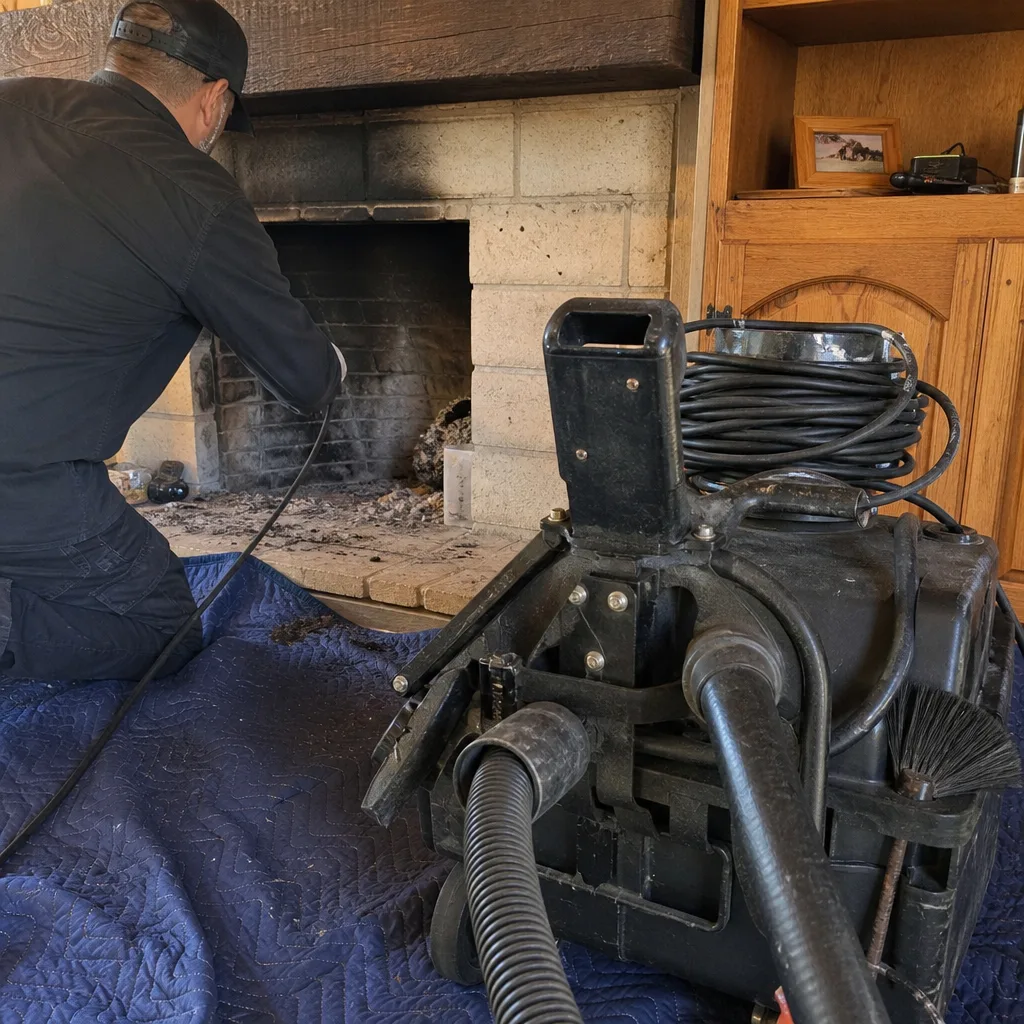 Before
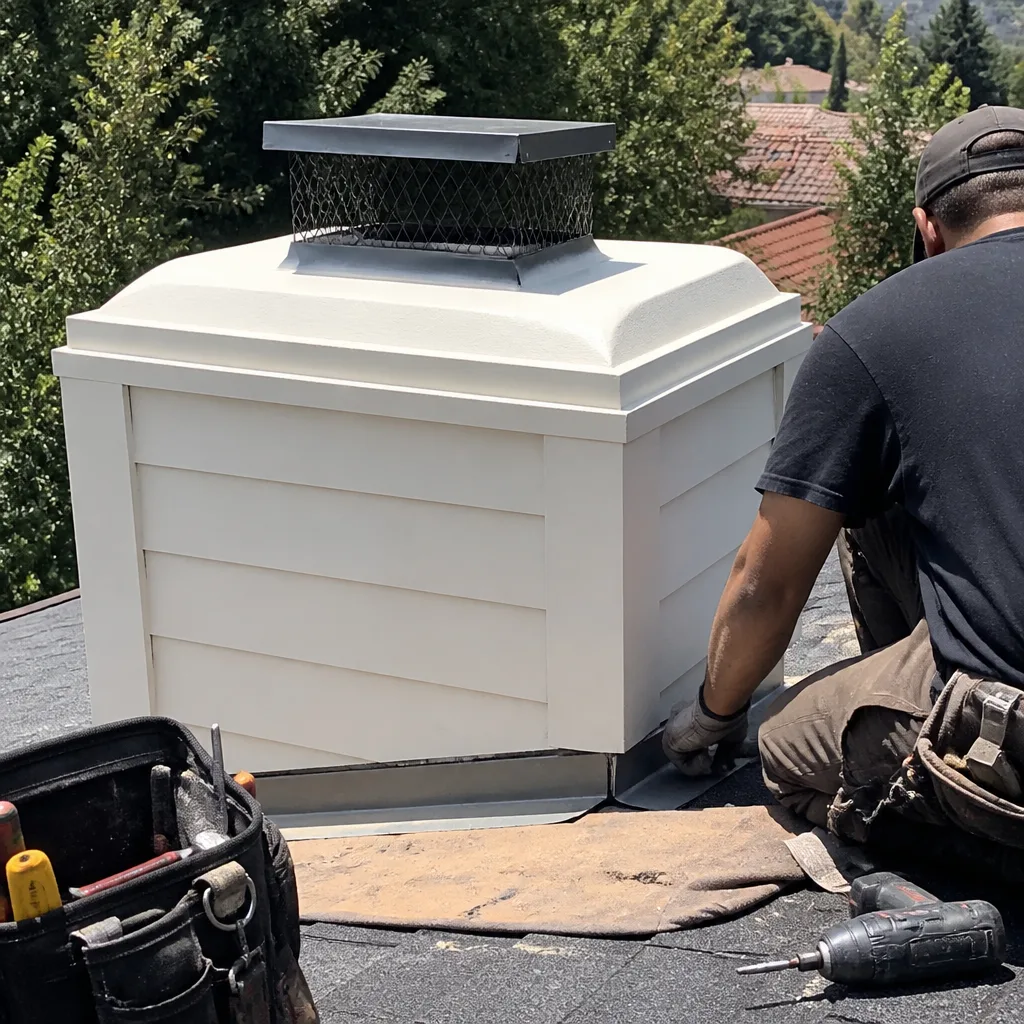 After
After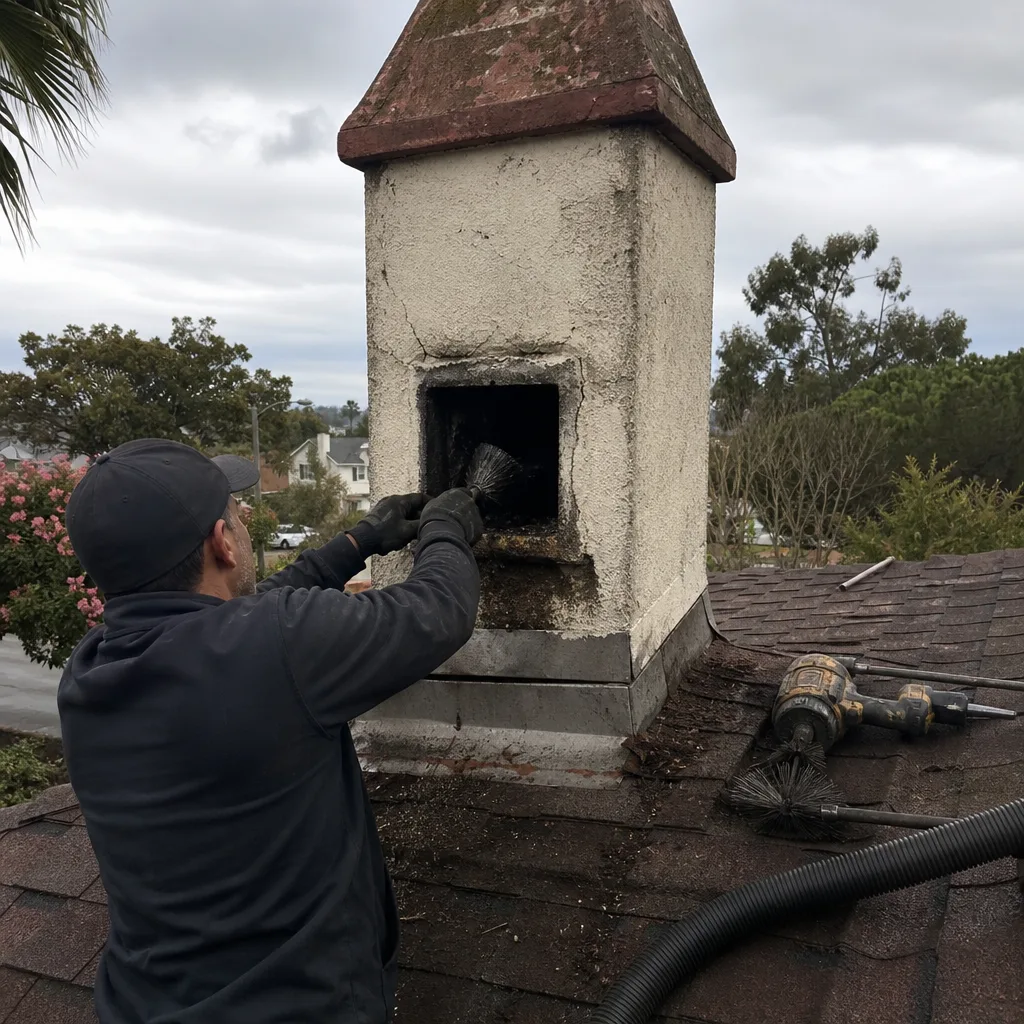 Before
 After
After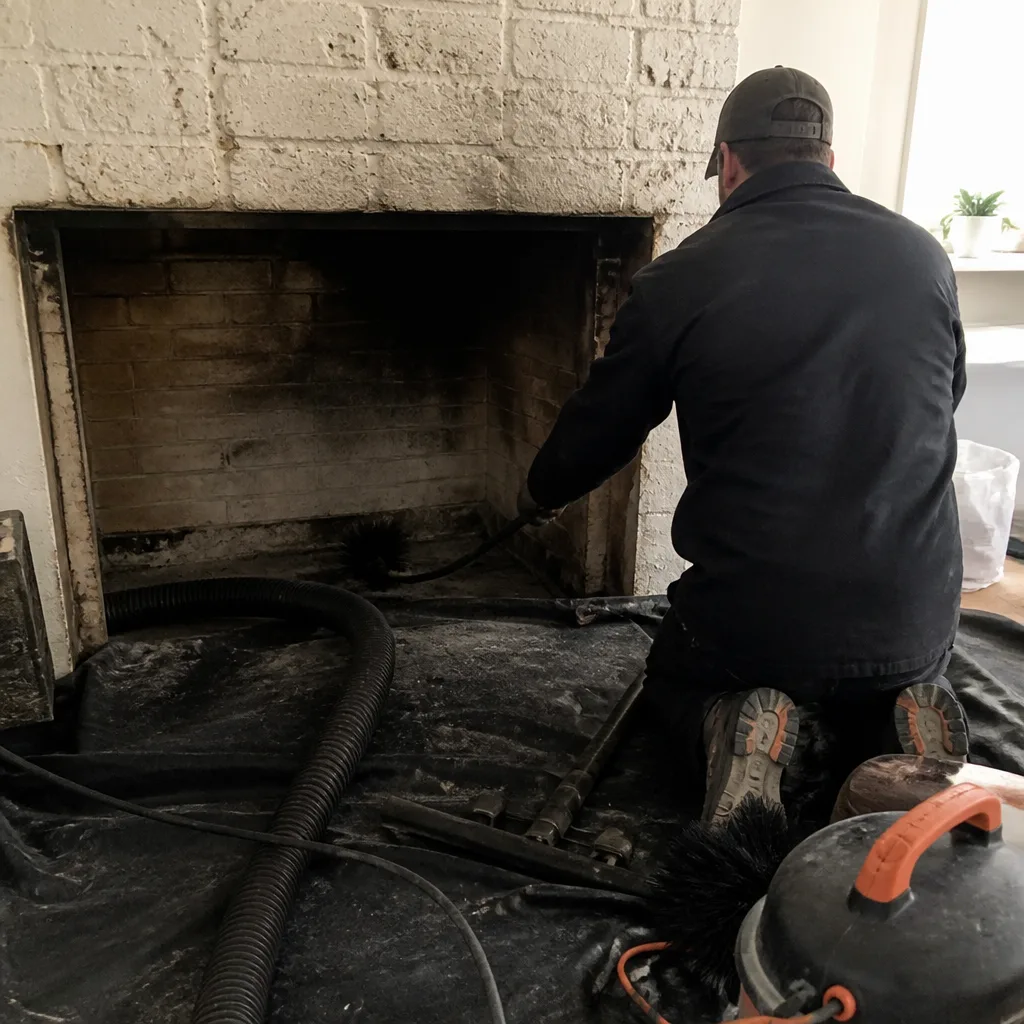 Before
 After
AfterHeatShield Products We Service & Install in San Diego
We service and install the full HeatShield line in San Diego: the HeatShield Cerfractory Flue Sealant for restoring interior flue surfaces, the HeatShield Joint Repair System for sealing gaps between flue tiles, the HeatShield Resurfacing System for full-length flue restoration, and the HeatShield Custom Cap System for protecting the flue top from moisture entry. We keep the core cerfractory materials and application tools on the truck for most San Diego service calls, which means we can often start a resurfacing repair the same visit instead of ordering parts and coming back. For unusual flue dimensions or a custom HeatShield cap, we order the specific components and schedule the return trip before we leave.
Our HeatShield work includes Level 2 inspection, creosote removal specific to cerfractory-lined flues, and flue relining using HeatShield resurfacing where the existing flue structure is sound. If your HeatShield system serves a gas fireplace insert, we verify the liner’s compatibility with the insert’s exhaust temperature and draft characteristics before doing any work; not every HeatShield application is rated for every insert configuration, and we’ll tell you if yours isn’t.
We Also Service These Brands
As independent San Diego chimney specialists, we’re not tied to a single manufacturer. We work with HeatShield, DuraFlex, and Gelco, plus other established chimney-trade brands including Olympia Chimney, Famco, and Copperfield. That means our recommendation is driven by your flue’s condition and your home’s needs, not by which brand we happen to stock. If HeatShield is right for your chimney, that’s what we’ll recommend. If a stainless liner from DuraFlex is the better call, we’ll tell you that too.
FAQs – HeatShield Chimney Cleaning Service in San Diego
No, we are an independent HeatShield service provider, not a manufacturer-authorized dealer or franchise. What that means in practice is that we’re free to tell you when a HeatShield repair isn’t the right fix for your chimney, and we do. We follow HeatShield’s published application protocols and use genuine HeatShield cerfractory on HeatShield repairs, but our allegiance is to you and the safety of your flue, not to any manufacturer’s sales goals.
Yes, on all HeatShield repairs we use genuine HeatShield cerfractory products. There’s no worthwhile aftermarket for cerfractory flue sealant, and using another manufacturer’s refractory material on an existing HeatShield liner creates a thermal expansion mismatch that leads to debonding and another failure. We’d rather do the job once with the right material than come back in three years because we tried to save twenty dollars on off-brand slurry.
A straightforward HeatShield resurfacing job on a single-flue wood-burning fireplace usually takes one full day, including prep, application, and initial curing. If we’re doing a joint repair only, it’s often half a day. The flue needs time for the cerfractory to set before you burn a fire, and in San Diego’s coastal humidity, that curing time runs a little longer than it does in dry inland areas. We’ll give you a specific timeline for your flue when we quote the job.
In San Diego, early HeatShield failures almost always trace back to one of three causes: improper surface prep during the original installation, moisture intrusion from a cracked or missing chimney cap, or seismic movement that cracked the flue after the repair was done. If the original flue tile wasn’t properly cleaned and roughened before the cerfractory went on, the coating delaminates. We see it all the time. We’ll camera-inspect your flue and show you exactly which failure mode you’re dealing with before we quote any repair. Call (619) 693-1499 for a free estimate.
Yes, that’s actually the most common application for HeatShield in San Diego. Many of the 1920s to 1970s homes across the county have original terra cotta flue tiles that are still structurally sound but have deteriorated mortar joints or spalled interior surfaces. HeatShield’s resurfacing system is designed to bond to those clay tiles and restore a smooth, insulated flue passage without removing the original liner. The key is proper surface prep; if the old clay is too far gone, we’ll recommend a full stainless reline instead.
HeatShield chimney cleaning in San Diego typically runs between $200 and $350 for a standard sweep on a cerfractory-lined flue, and a full HeatShield resurfacing job typically lands between $2,500 and $5,500 depending on flue length, access difficulty, and how much loose material has to be removed first. Joint repairs alone are often under $1,000. We’ll give you a written price before any work starts, and the number we quote is the number you’ll pay. Call (619) 693-1499 for an exact quote on your flue; estimates are free.
Yes, in many cases. The HeatShield Joint Repair System was designed specifically to seal gaps between terra cotta flue tiles, and if your chimney’s only issue is deteriorating mortar joints between otherwise sound tiles, a joint repair can restore the flue’s integrity without a full resurfacing or reline. But it depends on how many joints are failing and whether the tiles themselves have shifted. If the flue structure is compromised, a joint repair is a band-aid, and we’ll tell you that plainly.
It depends on the insert and the flue configuration. HeatShield is rated for many gas applications, but gas inserts put different thermal and draft demands on a liner than open wood fires, and not every HeatShield installation is appropriate for every insert. We verify the liner’s compatibility with your specific insert make and model before doing any work. If your current HeatShield liner isn’t suited to the insert, we’ll recommend the right fix and give you a written quote for it.
Book Your HeatShield Service in San Diego, CA
If you have a HeatShield flue that’s flaking, leaking smoke, or just hasn’t been looked at in years, call (619) 693-1499. We’ll schedule a Level 2 inspection with camera footage, give you a written price before any work starts, and stand behind the repair in writing. That’s how we’ve done it in San Diego since 2002, and that’s not changing.
Written by Nathan Corliss, Owner at Ashby Chimney San Diego, serving San Diego since 2002.